
 Español
 Português (Brasil)
 Français
 Deutsch
 Italiano
 Nederlands
 Polski
 Svenska
 Türkçe
 Русский
 日本語
日本語 한국어
한국어 简体中文
简体中文 Tiếng Việt
 Bahasa Indonesia
 繁體中文
繁體中文 Čeština
 Dansk
Dansk Norsk (bokmål)
 Suomi
Suomi Ελληνικά
 Română
 Magyar
 Українська
 ไทย
ไทย हिन्दी
 العربية
 עברית
עבריתDisplay Advertising
Display advertising is visual banner, image, and rich-media ads placed on websites and apps, typically sold by standard sizes and bought programmatically.

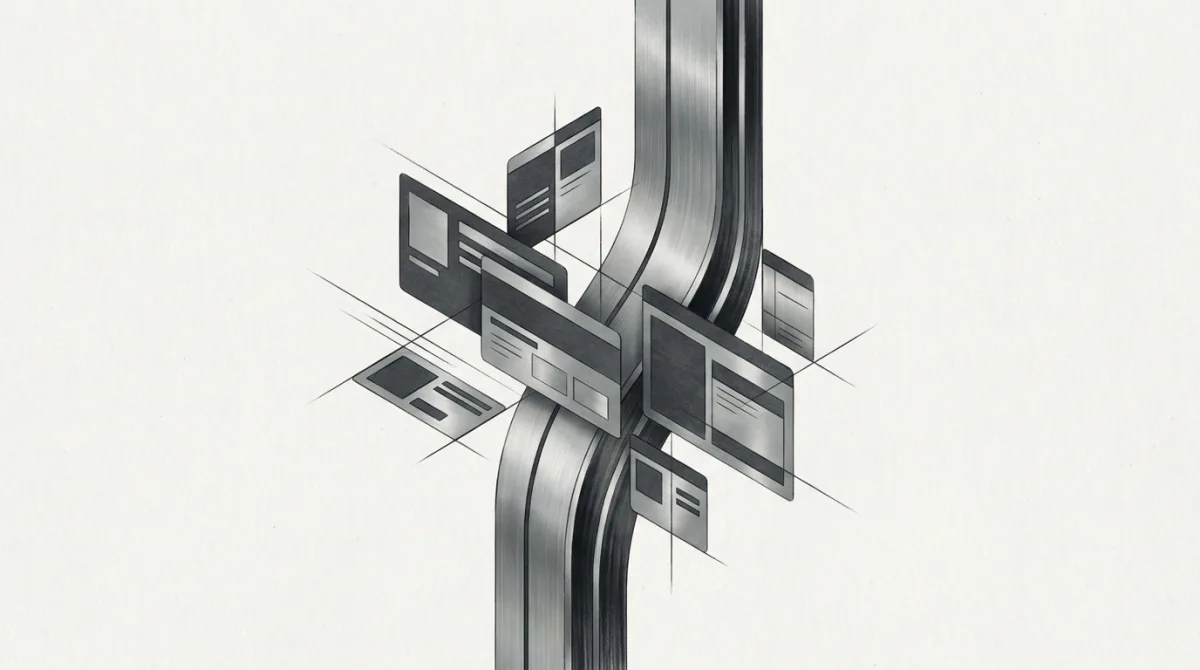
Display advertising is the practice of placing visual ads, banners, images, and rich-media units, on websites and apps in dedicated ad slots. Unlike text-only search ads, display relies on graphics and is usually sold by standard sizes (such as 300x250 or 728x90) and by placement on a page.
How it works#
Display inventory is bought directly from publishers or, more commonly, through Programmatic Advertising, where exchanges auction each impression in real time. Ads are delivered via an ad server and rendered in fixed slots, often priced on a CPM (Cost Per Mille) basis. Display covers static banners, animated units, expandable formats, and increasingly video.
Display vs native#
Display ads sit in clearly marked ad boxes and look distinct from the page content. Native Advertising, by contrast, matches the look and feel of the surrounding content, blending into feeds and recommendation widgets. Both are bought through similar programmatic plumbing and often run through the same Ad Network infrastructure, but they differ sharply in appearance and user experience.
Why it matters#
Display remains one of the largest and oldest digital ad channels, making it a core surface for both reach campaigns and competitive monitoring. Tracking which advertisers run which display creatives, and where, reveals budgets, messaging, and seasonal pushes.
Related terms: Native Advertising, Programmatic Advertising, and Ad Network.