Native Advertising DSPs: The Landscape and How to Choose
Yahoo DSP, StackAdapt, Zemanta, The Trade Desk, DV360 — the DSPs that genuinely buy native inventory, and a straight decision framework for when a self-serve network is the smarter buy.


Yahoo DSP, StackAdapt, Zemanta, The Trade Desk, DV360 — the DSPs that genuinely buy native inventory, and a straight decision framework for when a self-serve network is the smarter buy.

The per-impression auction behind programmatic, end to end: SSPs, DSPs, exchanges, first-price clearing, header bidding, OpenRTB — and why native networks play by different rules.

Sharethrough pioneered in-feed native programmatic and now operates inside Equativ. How enhanced ads work, how buyers and publishers plug in, and where it fits in 2026.

TripleLift sells in-feed native programmatically: you buy through a DSP, not a dashboard. How component-based creative works, what inventory costs, and who it actually suits.

Follow one native impression from a publisher's "you may also like" box to the advertiser's checkout, reading the SSP, the auction macros, the click trackers, and the redirect chain straight off the captured data.

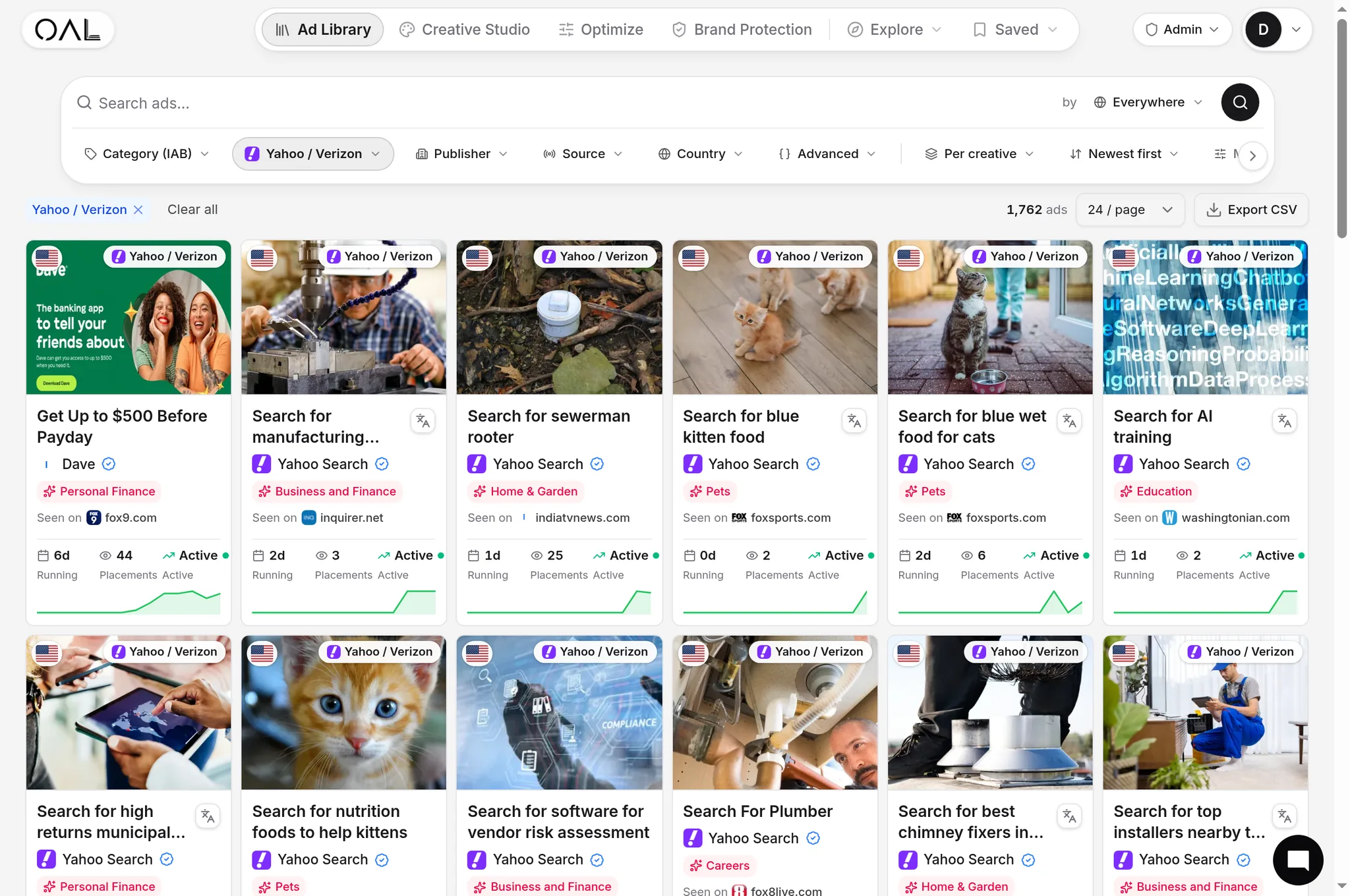
Yahoo Gemini is gone, but "Yahoo native" still trips up buyers: here is who really serves the ads in 2026, how to buy them, where MSN fits, and how to study live creatives.

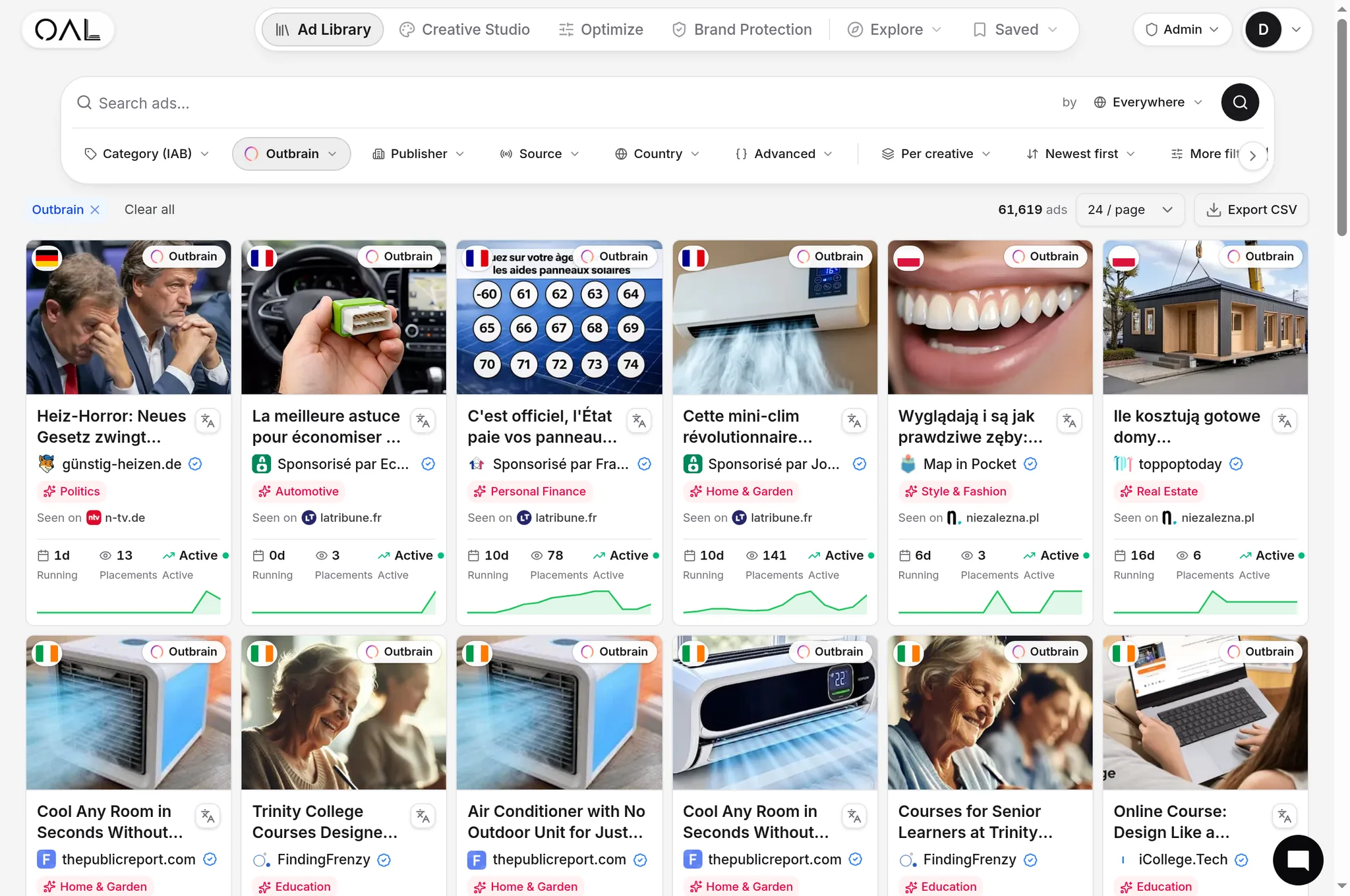
Outbrain bought Teads in 2025 and rebranded the combined company as Teads; here is what the merged native, video, and CTV platform actually looks like, and how to study live inventory before you spend.

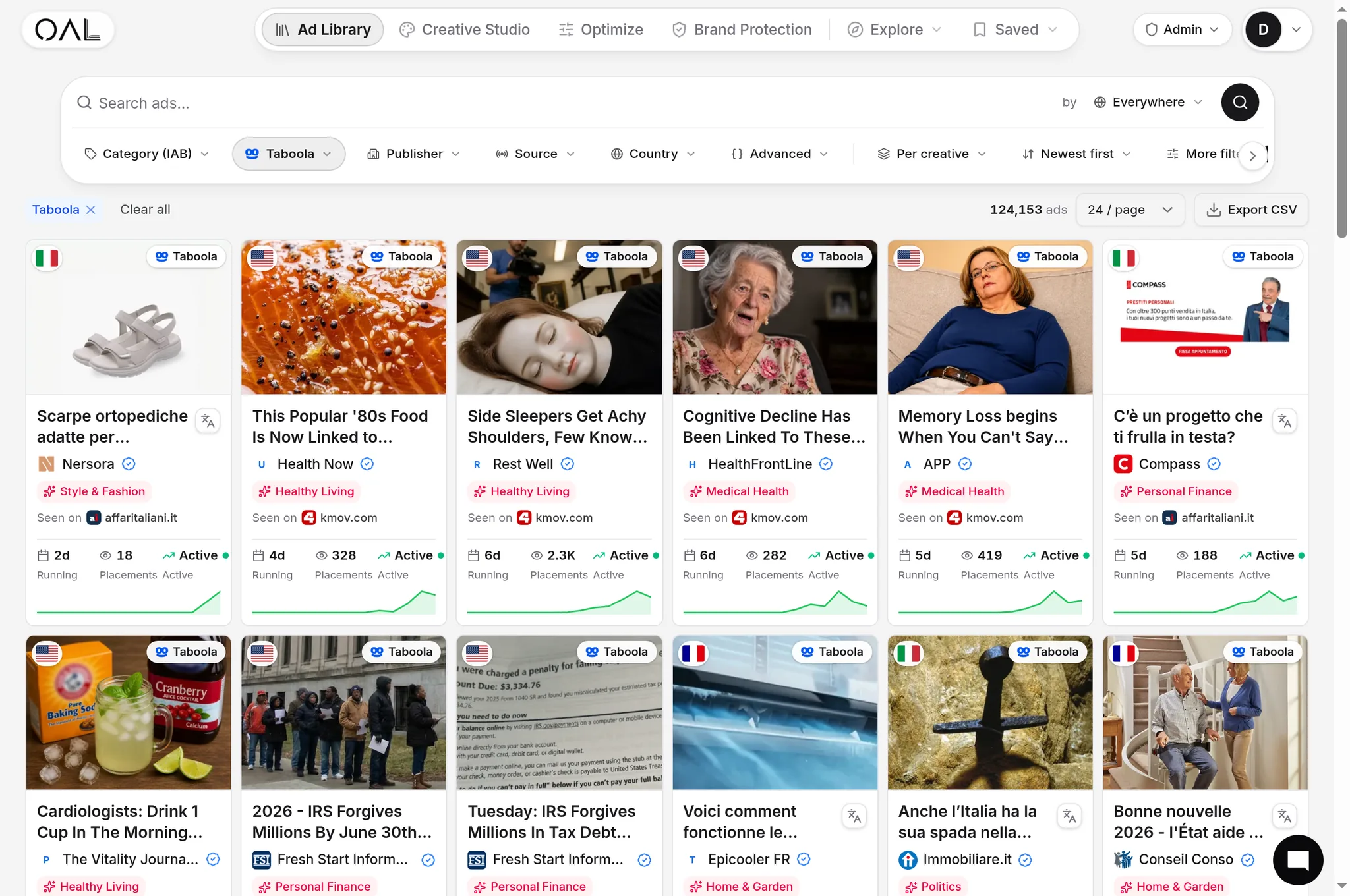
A working media buyer's breakdown of how Taboola native ads actually run in 2026: the auction, the widget, CPC pricing, and the tracker chain behind every click, shown with live creatives we captured instead of vendor mockups.

A practitioner's guide to native advertising in 2026: the formats, the networks, how the auction really works, and how to read winning ads straight off the live market.

Display advertising is visual banner, image, and rich-media ads placed on websites and apps, typically sold by standard sizes and bought programmatically.

Supply Path Optimization (SPO) is the practice of choosing the shortest, cheapest, and most transparent route to buy a given ad impression.

The ad supply chain is the chain of intermediaries an ad passes through between the advertiser who pays and the publisher page where it appears.

The SupplyChain Object (schain) is an OpenRTB field that lists, in order, every intermediary an impression passed through before reaching the buyer.

sellers.json is a public file that exchanges and SSPs publish to reveal the sellers and intermediaries authorized to sell inventory through them.

ads.txt is a public file publishers host to declare exactly which companies are authorized to sell their ad inventory.

An ad tag is a snippet of HTML or JavaScript code on a web page that requests an ad from an ad server and renders it in a specific slot.

A private marketplace (PMP) is an invite-only programmatic auction where publishers offer premium inventory to selected buyers via deal IDs.

Direct buy vs programmatic contrasts manually negotiated, fixed-price ad deals with automated, auction-driven inventory buying.

Programmatic direct buys reserved ad inventory at a fixed, pre-negotiated price through automated workflows rather than an open auction.

Programmatic native advertising is the automated, auction-based buying of native ad placements that match the look and feel of their host content.

Programmatic advertising is the automated buying and selling of digital ad inventory through software, usually settled in real-time auctions.

Header Bidding lets publishers offer inventory to multiple exchanges at once before the ad server call, increasing competition and yield.

OpenRTB is the open IAB protocol that standardizes the structure of bid requests and responses in real-time bidding auctions.

Real-Time Bidding (RTB) is the per-impression auction in which advertisers bid on a single ad impression in milliseconds as a page loads.

An Ad Exchange is a digital marketplace that matches publisher inventory with advertiser demand through real-time auctions.

A Demand-Side Platform (DSP) is software advertisers use to buy ad inventory programmatically across many exchanges from one interface.

A Supply-Side Platform (SSP) is software publishers use to sell ad inventory programmatically and maximize yield across exchanges and buyers.

RPM (revenue per mille) is the revenue a publisher earns per one thousand ad impressions or page views, the monetization mirror of CPM.

CPM (cost per mille) is the price an advertiser pays per one thousand ad impressions, regardless of whether anyone clicks.