Español
 Português (Brasil)
 Français
 Deutsch
 Italiano
 Nederlands
 Polski
 Türkçe
 Русский
 日本語
 한국어
 简体中文
 Tiếng Việt
 Bahasa Indonesia
 繁體中文
 Čeština
 Dansk
 Norsk (bokmål)
 Suomi
 Ελληνικά
 Română
 Magyar
 Українська
 ไทย
 हिन्दी
 العربية
 עברית
Direct Linking (Affiliate)
Direct linking is sending paid traffic straight from the ad click to the advertiser's offer page, skipping any pre-lander or bridge page in between.

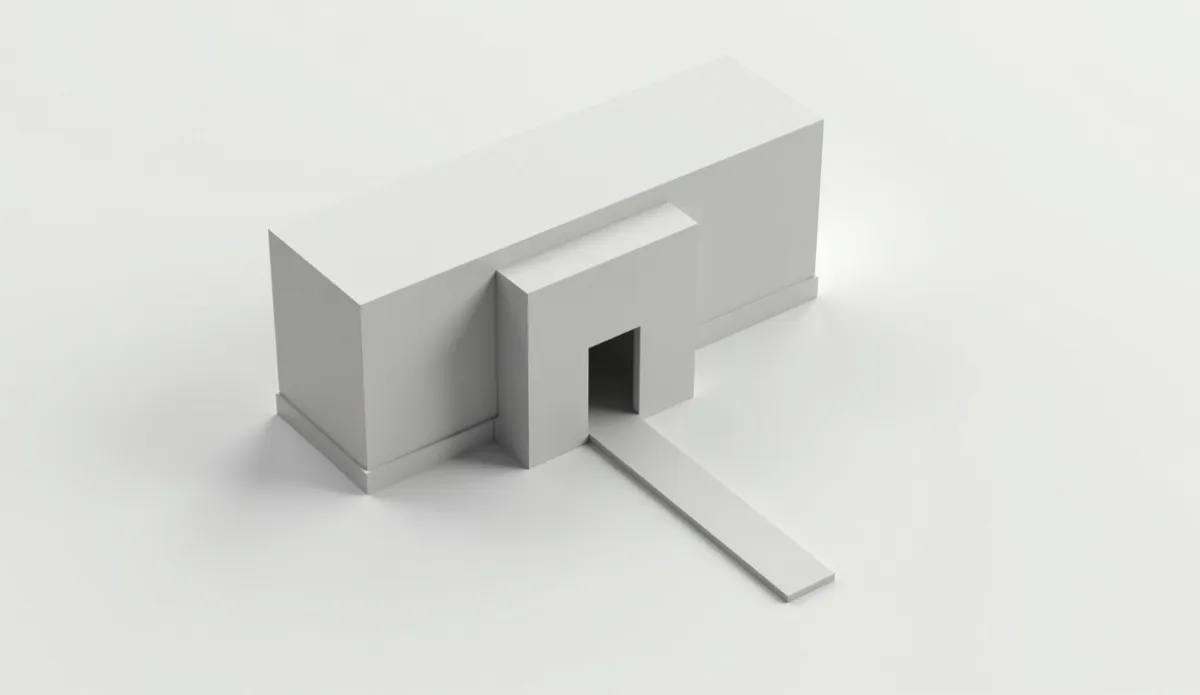
Direct linking is sending a paid ad click straight to the advertiser's offer page, with no pre-lander or bridge page in between. The visitor taps the ad and lands exactly where the offer owner wants them: the checkout page, the lead form, or the app store listing.
How it works#
There's no intermediate step to build or host. The affiliate's tracking link wraps the offer URL, appends a sub ID or click ID for attribution, and redirects the click. Compare that to an advertorial funnel, where the visitor reads a story page first and only clicks through to the offer if the pitch lands. Direct linking removes that filtering step entirely, which cuts setup time to almost zero but also removes the chance to pre-sell, disclose, or warm up cold traffic before the offer's own page has to do all the work.
When it works, and when it doesn't#
Direct linking tends to hold up for offers with strong brand recognition, simple single-step actions (an app install, a newsletter signup, a straightforward ecommerce purchase), or landing pages that are themselves already optimized for cold traffic. It tends to fail for anything that needs context: aggressive health claims, "as seen on TV" framing, or offers that read as a non sequitur next to the article headline the ad rode in on. A pre-lander exists precisely to bridge that gap, which is why most native campaigns running native-facing claims use one instead of linking direct.
Network policy matters here#
Taboola, Outbrain, and MGID all have content and landing page policies that apply regardless of whether there's a pre-lander in the middle, so direct linking doesn't get an affiliate out of disclosure or claim-substantiation requirements. It also means a reviewer, or OpenAdLibrary's capture pipeline, sees the actual advertiser page on the first hop rather than a filtered one, which is one reason direct-linked campaigns are easier to audit for ad cloaking than multi-hop funnels.
Testing direct linking against a pre-lander#
Media buyers who aren't sure which structure suits an offer usually just split-test both: one ad set direct-linked, one running through a pre-lander, same creative, same budget, same geo. The comparison isn't just conversion rate; it's conversion rate weighted against the extra build and hosting cost of maintaining a pre-lander page, plus the extra hop a pre-lander adds to page load time on mobile, which on native traffic can matter more than the copy itself. An offer that direct-links cleanly saves a step in the funnel and a step in ongoing maintenance, since there's no separate page to keep in sync with the advertiser's changing terms or pricing.
Related terms#
Direct linking sits opposite a pre-lander or bridge page on the funnel-complexity spectrum, and it interacts with how sub IDs get passed for attribution when there's no middle page to carry them.