 Español
 Português (Brasil)
 Français
 Deutsch
 Italiano
 Nederlands
 Polski
 Svenska
 Türkçe
 Русский
 日本語
日本語 한국어
한국어 简体中文
简体中文 Tiếng Việt
 Bahasa Indonesia
 繁體中文
繁體中文 Čeština
 Dansk
Dansk Norsk (bokmål)
 Suomi
Suomi Ελληνικά
 Română
 Magyar
 Українська
 ไทย
ไทย हिन्दी
 العربية
 עברית
עבריתAd Cloaking
Ad cloaking is a deceptive technique that shows ad reviewers a compliant page while serving real users a different, often non-compliant destination.


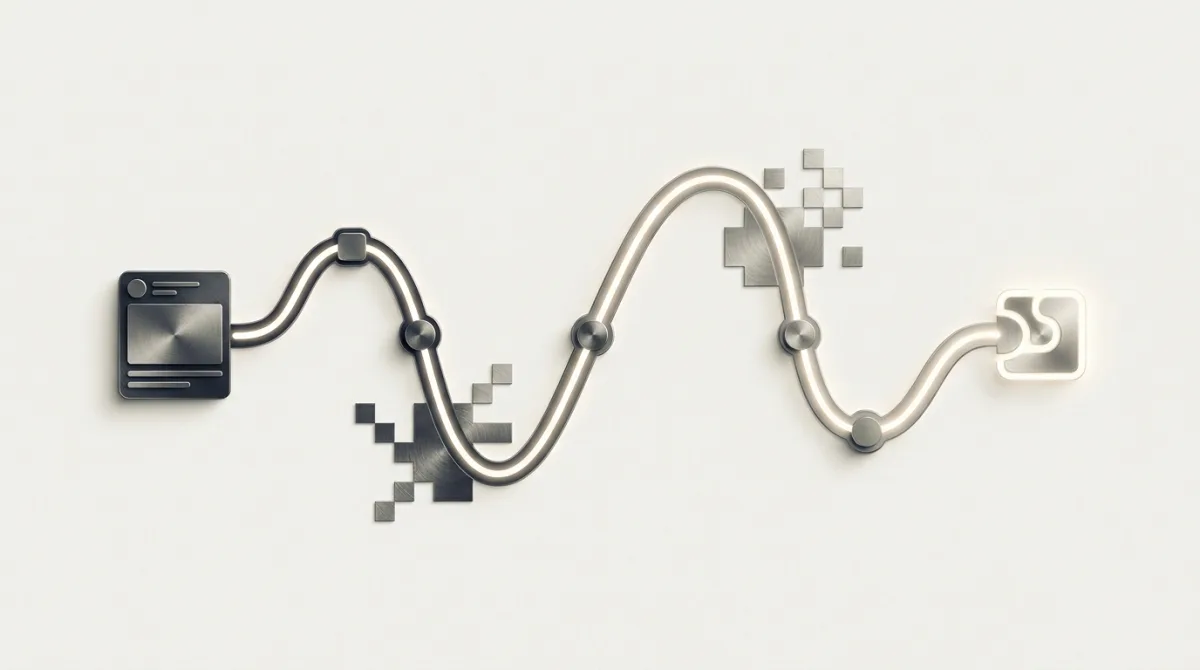
Ad cloaking is a deceptive technique in which an advertiser shows one page to ad-network reviewers, bots, and moderators while serving real users a completely different destination. The compliant-looking page passes policy review; the page actual visitors see may promote restricted, misleading, or scam offers.
How it works#
Cloaking systems decide what to serve by inspecting each incoming request: IP address and geolocation, user agent, referrer, device fingerprint, and whether the visitor arrived from a real paid click. Reviewers and automated crawlers are detected and routed to a safe page, while genuine traffic is redirected, often through a Pre-Lander (Pre-Landing Page) or a chain of intermediate hops, to the real offer. Because the redirect logic is conditional, simply visiting the ad's URL from an office network frequently fails to reveal the true destination.
Why it matters#
Cloaking is how many policy-violating and fraudulent campaigns stay live on ad networks. The only reliable way to expose it is to capture the click the way a targeted user would, from the right geo and device profile, and follow every redirect. That is what a Click-Trace does: it records the full path from creative to final page so investigators see the cloaked destination. Note that Cloaking (Affiliate Marketing) is a closely related, sometimes overlapping practice used to protect affiliate funnels.
Related terms: Cloaking (Affiliate Marketing), Pre-Lander (Pre-Landing Page), and Click-Trace.