Español
 Português (Brasil)
 Français
 Deutsch
 Italiano
 Nederlands
 Polski
 Svenska
 Türkçe
 Русский
 日本語
日本語 한국어
한국어 简体中文
简体中文 Tiếng Việt
 Bahasa Indonesia
 繁體中文
繁體中文 Čeština
 Dansk
Dansk Suomi
Suomi Ελληνικά
 Română
 Magyar
 Українська
 ไทย
ไทย हिन्दी
 العربية
 עברית
עבריתWhat It Costs to Advertise on News Sites (Direct vs Native Feeds)
News sites sell ad inventory through at least two channels with completely different price floors: negotiated direct or programmatic display, and self-serve native feed placements.


Advertising on news sites costs one of two very different amounts depending on how you buy it. Direct or programmatic display placements on a major news domain typically require a real media budget with account minimums, insertion orders and IO-level negotiation. Native feed placements, the sponsored widgets under articles served by networks like Taboola, Outbrain and MSN, run on a self-serve auction with far lower entry costs and CPC-based pricing instead of a negotiated rate card.
Two Ways to Get In Front of a News Audience#
News publishers monetize their pages through several channels at once. A single article page might carry a directly sold banner from the publisher's own ad ops team, a programmatic display slot filled through header bidding, and a native content-recommendation widget from Taboola or Outbrain sitting below the article. As an advertiser, you're not choosing "advertise on this news site" as one product; you're choosing which of those channels to buy into, and each has a completely different cost structure.
Direct and programmatic display buys go through the publisher's ad ops team or a demand-side platform, follow standard RTB auction mechanics, and generally expect a real advertising budget with formal onboarding. Native feed buys go through the ad network's self-serve dashboard, use a CPC or CPM auction against other advertisers targeting the same publisher inventory, and can be started with a much smaller account and no direct relationship with the publisher at all.
What a Direct or Programmatic Buy Costs#
Publishers with meaningful news traffic (think a mid-size regional outlet up through a national masthead) typically set minimum spend commitments for directly negotiated placements, and programmatic demand-side platforms layer their own account minimums on top of that. Pricing is usually CPM-based, varies heavily by placement (above-the-fold homepage inventory costs more than a sidebar slot deep in an archive page), and moves with seasonal demand the same way native CPCs do.
This path makes sense when you need guaranteed placement, brand-safety controls, or a specific homepage takeover, and when your budget and timeline can absorb an IO-based sales process. It's the wrong path if you're testing a new offer or angle and need to iterate daily.
What a Native Feed Buy Costs#
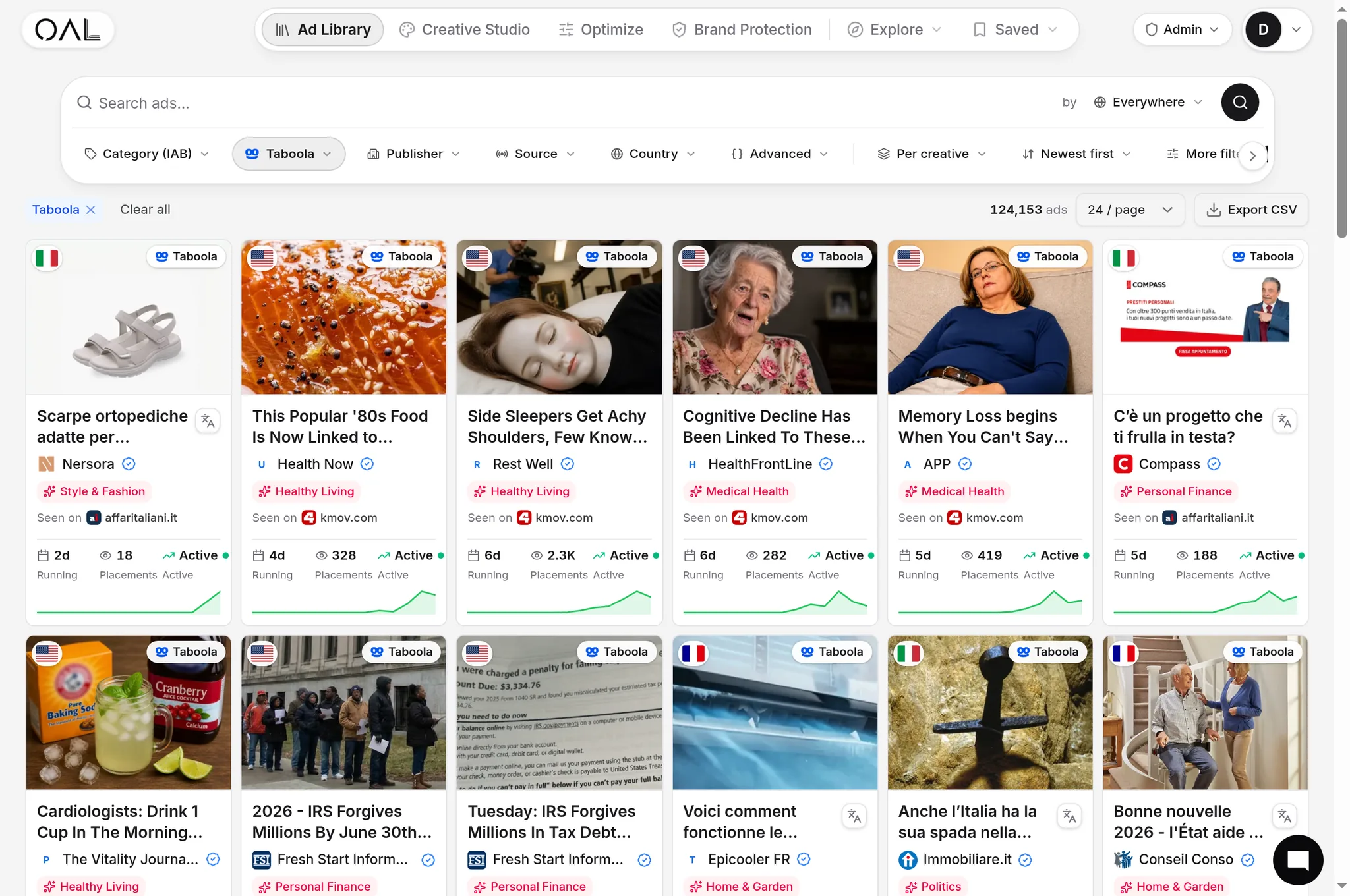
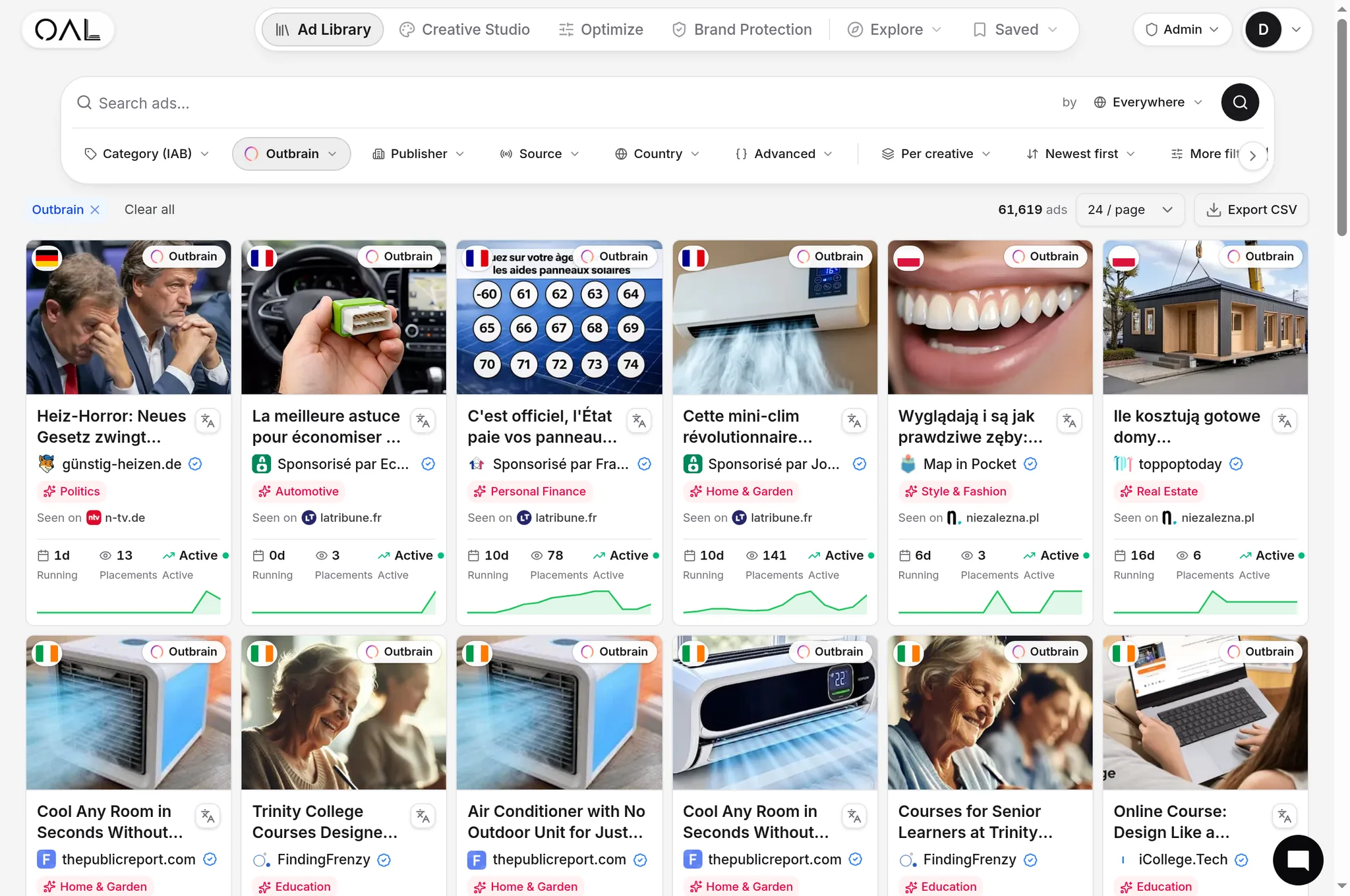
Native networks put you into the same auction as every other advertiser bidding for placement on that publisher's content-recommendation widget. You're not buying "The New York Times" directly; you're buying a slot in Taboola's or Outbrain's network, which happens to include that publisher's inventory alongside thousands of others, and MSN runs a similar model across Microsoft's own news and portal properties.
Pricing here is CPC-driven and self-serve. Media buyers commonly report native CPCs somewhere in the range of a few cents up to around a dollar depending on network, geo, device and vertical, which is a fraction of what a directly negotiated news placement costs on a per-impression basis. Account minimums are also far lower, often just a starting daily budget rather than a formal spend commitment. The tradeoff is you don't control exactly which publisher or which page slot your ad lands on beyond broad targeting settings; the network decides placement within its inventory pool based on your bid and its own optimization.
Cost Comparison at a Glance#
| Direct / programmatic display | Native network feed | |
|---|---|---|
| Buying process | IO or DSP account, publisher-negotiated | Self-serve dashboard, auction-based |
| Typical pricing model | CPM, negotiated rate card | CPC, real-time auction |
| Entry budget | Meaningful minimum commitment | Small daily budget to start |
| Placement control | Guaranteed slot on named publisher | Auction-won slot within network pool |
| Setup speed | Days to weeks (sales process) | Minutes to hours |
| Best for | Brand campaigns, guaranteed reach | Performance testing, affiliate/DTC offers |
A Quick Way to Decide Which Path You Need#
Ask yourself three questions before you pick up the phone or open a self-serve dashboard. First, do you need a specific, named publisher, or would any publisher in a relevant category do? If it's the latter, native almost always wins on cost. Second, is your goal measured in clicks and conversions, or in reach and brand recall? Performance goals point native, brand goals point direct. Third, how fast do you need to launch? A native campaign can be live within hours of funding an account; a direct IO usually means a sales cycle measured in days or weeks, plus creative approval on the publisher's terms rather than yours.
Most teams that end up asking "what does it cost to advertise on news sites" are really asking the native question, because that's the route with a fast, self-serve answer. The direct route exists and matters for brand campaigns, but it isn't the one most performance-focused media buyers and affiliates actually need.
What Actually Drives Your Cost on Either Path#
Regardless of which route you buy through, the same variables move price the most:
- Geo. Tier-1 English-speaking markets carry the highest demand and the highest cost on both direct and native inventory; expanding into tier-2 and tier-3 geos is the single biggest lever for lowering your average cost.
- Device. Desktop and mobile inventory price differently on nearly every network and publisher, and the gap moves with seasonality.
- Vertical. Finance, insurance and health advertisers compete for the same premium news-adjacent inventory, which pushes prices up in those categories specifically compared to lower-competition verticals.
- Time of year. Both direct and native pricing rise heading into Q4 as retail and finance budgets flood the market; see our native ad cost benchmarks for how that plays out on the network side specifically.
Which Path Fits Your Budget#
If you're running a performance-driven campaign, testing offers, or working with an affiliate-scale budget, the native feed route is almost always the right entry point. It's cheaper to start, faster to launch, and lets you kill an underperforming test within a day instead of committing to an IO. If you need guaranteed placement on a specific named publisher for brand reasons, you're in direct or programmatic territory, and you should budget accordingly.
Most media buyers running native at scale end up treating the two as complementary rather than competing: direct buys for flagship brand moments, native feeds for the ongoing performance engine. Before committing budget to either, it helps to see what's already running. OpenAdLibrary's native ad intelligence index tracks live creatives across the major native networks, including which publisher categories and verticals carry the most volume, so you can gauge real competitive density before you set a budget.
Measurement Differs Too, Not Just Price#
The cost comparison isn't complete without accounting for how each path measures success. A direct or programmatic display buy is usually evaluated on impressions, viewability and brand-lift metrics, the kind of reporting a publisher's sales team hands you after the campaign closes. A native feed buy is evaluated on click-through and downstream conversion, tracked through your own pixel and attribution setup, in near real time while the campaign is still running.
That difference changes what "worth it" means on each path. A direct buy can be worth the spend even with a mediocre click-through rate if it delivers brand reach and a clean placement. A native feed buy has to earn its keep on conversion economics almost immediately, because you're watching CPC and CPA daily and can pause a losing placement within hours. If your business model depends on measurable performance rather than brand awareness, the native path isn't just cheaper, it's also the one built for the kind of measurement you actually need.
Getting Started Without Overcommitting#
The lowest-risk way to answer "what will this actually cost me" is to run a native feed test first. Set a modest daily budget, pick one or two networks that carry the publisher inventory you care about, and measure your actual CPC and conversion rate over one to two weeks before scaling. That gives you a real cost baseline specific to your offer and geo, which is far more useful than any published rate card, direct or native.
Before you commit that test budget, it's worth checking what similar advertisers are already doing in your vertical. If competitors are running the same news-adjacent native placements for weeks at a time, that's a signal the economics work at whatever cost they're paying, and a useful reference point before you set your own budget. For a full breakdown of what drives native ad pricing more broadly, see our complete cost guide.