Español
 Português (Brasil)
 Français
 Deutsch
 Italiano
 Nederlands
 Polski
 Svenska
 Türkçe
 Русский
 日本語
日本語 한국어
한국어 简体中文
简体中文 Tiếng Việt
 Bahasa Indonesia
 繁體中文
繁體中文 Čeština
 Dansk
Dansk Norsk (bokmål)
 Suomi
Suomi Ελληνικά
 Română
 Magyar
 Українська
 ไทย
ไทย हिन्दी
 العربية
 עברית
עבריתWhat Is a Chumbox?
A chumbox is the grid of thumbnail ads, often labeled 'Around the Web,' served by native content-discovery platforms across the open web.

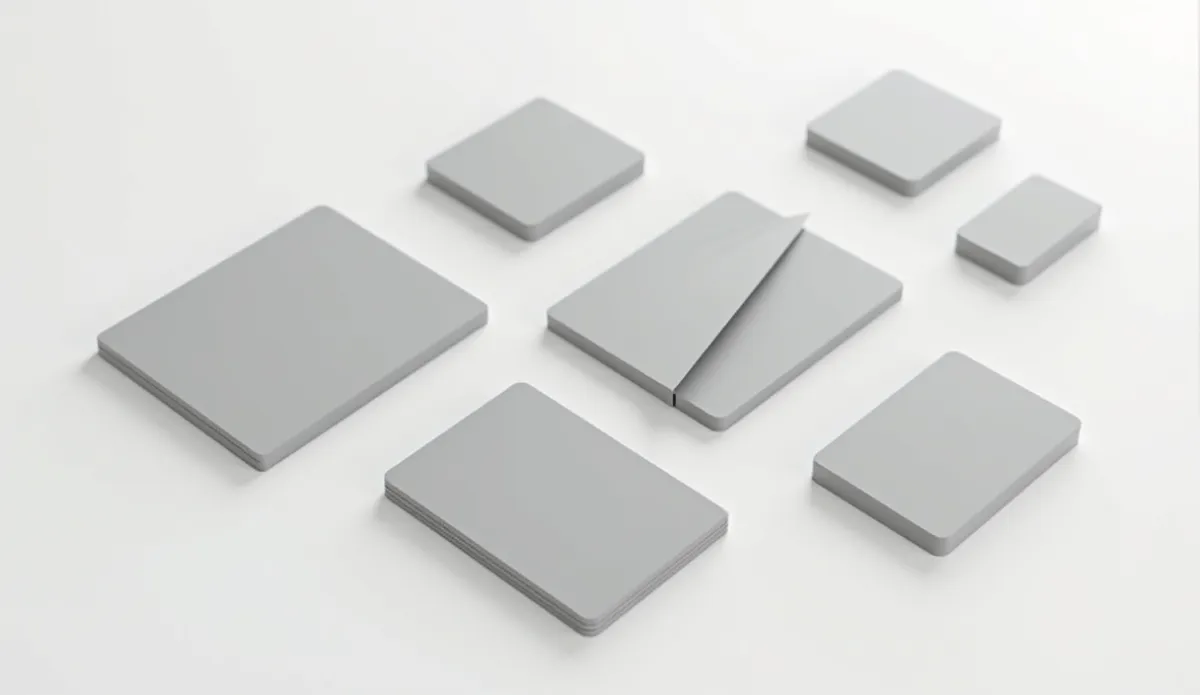
A chumbox is the grid of small, thumbnail-and-headline ad units, usually labeled "Around the Web," "You May Like," or similar, that appears at the bottom or side of articles across the open web. It's the visual format most people picture when they hear native advertising, even though it's really just one specific layout among several that content recommendation widgets can take.
Where the name comes from#
"Chum" is the bait fishermen scatter in the water to draw fish in, and the term stuck because the format works the same way: a wall of sensational-looking thumbnails designed to pull a click regardless of whether the underlying content delivers on the promise. The word carries a slightly derisive connotation in the industry, reflecting how much of the format's early reputation was built on tabloid-style clickbait headlines.
How the format actually works#
Chumboxes are served by content discovery platforms, most visibly Taboola, Outbrain, MGID, and Revcontent, which place a widget on a publisher's page and auction the individual thumbnail slots to advertisers in something close to real time. Each thumbnail pairs a small image with a short headline built to trigger a curiosity gap, the "you won't believe what happens next" instinct that gets a reader to click before they've consciously decided to. Under the hood, this runs on the same real-time bidding mechanics as the rest of programmatic; the visual grid is just the ad unit's format.
Has the format changed?#
The reputation has improved since the format's early years. Major networks now enforce stricter creative and landing-page quality standards, and disclosure labeling, "Sponsored," "Promoted Content", is more consistent than it used to be, partly in response to regulatory attention on advertorial disclosure generally. But the basic mechanic, a grid of curiosity-driven thumbnails competing for a click, hasn't changed. Advertisers and affiliates who want to see which headlines, images, and offers are actually winning clicks in these grids right now can browse live captured creative directly through a tool like OpenAdLibrary's native ad spy tool rather than guessing from a handful of screenshots.
Why chumboxes still work#
Despite the format's reputation, chumboxes persist because the economics are hard to beat: a single small widget can carry a dozen simultaneous advertiser bids, refreshing as the reader scrolls past new content, at a cost per click that's typically a fraction of search advertising. Publishers keep the format because it monetizes long-form content well without disrupting the reading experience the way a full-page interstitial would; advertisers keep buying it because, run well, it's one of the cheaper ways to reach a large volume of engaged readers.
Related terms: Content Recommendation Widget, Curiosity Gap, and Clickbait.