Español
 Português (Brasil)
 Français
 Deutsch
 Italiano
 Nederlands
 Polski
 Svenska
 Türkçe
 Русский
 日本語
日本語 한국어
한국어 简体中文
简体中文 Tiếng Việt
 Bahasa Indonesia
 繁體中文
繁體中文 Čeština
 Dansk
Dansk Norsk (bokmål)
 Suomi
Suomi Ελληνικά
 Română
 Magyar
 Українська
 ไทย
ไทย हिन्दी
 العربية
 עברית
עבריתFrequency Capping
Frequency capping limits how many times a single person can be shown the same ad within a given time window, so a campaign doesn't burn budget hammering the same eyeballs.

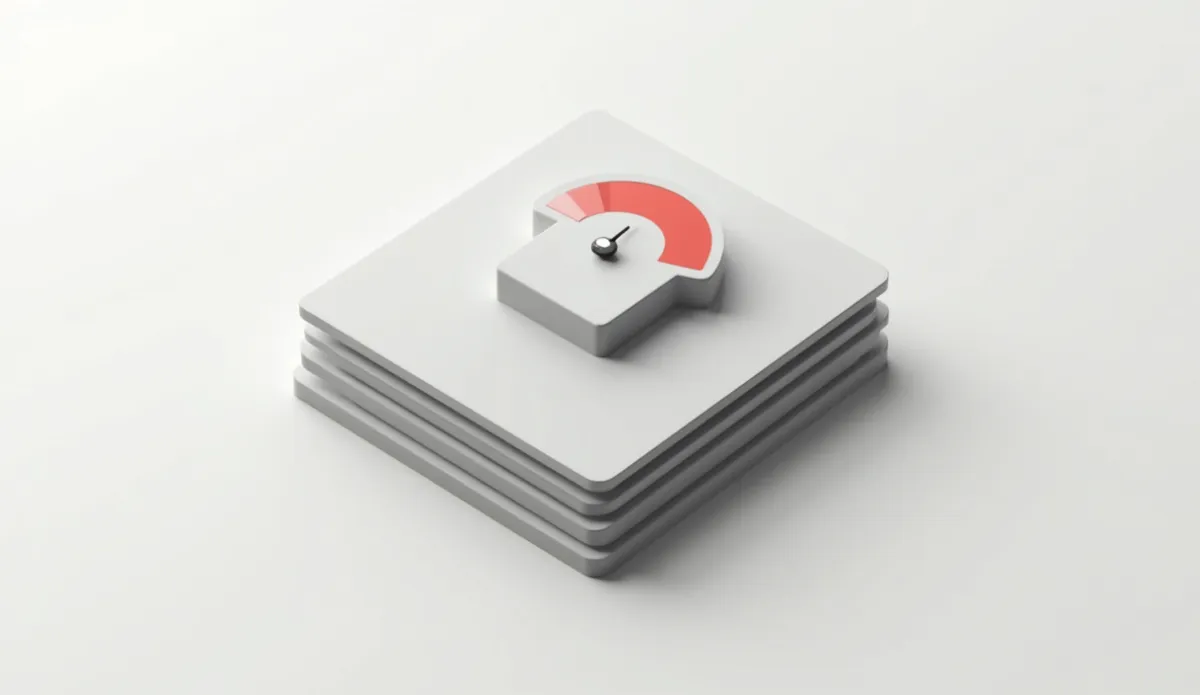
Frequency capping is a setting that limits how many times the same person can be shown a given ad, or a given campaign, within a defined time period, such as three impressions per user per day or ten per week. It exists because showing an ad repeatedly to the same audience produces diminishing returns fast, and past a certain point it actively hurts response rather than helping it.
Why uncapped frequency is a problem#
Ad platforms serve impressions to whoever is most likely to engage based on their targeting and bidding models. Left uncapped, that can mean the same small pool of highly engaged users sees an ad a dozen times in a day while a much larger pool never sees it once. The first few impressions build recognition; beyond that, each additional view mostly just accelerates creative fatigue, the point where a formerly high-performing ad's response rate declines because the audience has seen it too often. Worse, users who feel followed around by the same ad are more likely to report it or associate the brand with being intrusive.
How it's set in practice#
Most ad networks and demand-side platforms let you cap frequency at the campaign or ad-set level, specifying a maximum number of impressions per user over a rolling window (daily, weekly, or for the life of the campaign). Native networks apply capping partly for the advertiser's benefit and partly for the publisher's: a content-discovery widget that shows the same ad in every refresh damages the user experience of the page it sits on, so networks like Taboola and Outbrain build in frequency controls independent of what the advertiser sets. Buyers researching how Taboola ads work or how MGID native ads work will find frequency management described as a default account-level protection, not just an optional lever.
Frequency capping and retargeting#
The tension is sharpest on retargeting campaigns, where the whole audience is, by definition, a small pool of people who already visited your site. Because that pool is limited, it's easy to over-serve it. A common pattern is to cap retargeting frequency more tightly than cold-audience media buying campaigns and to rotate several creative variations into the same frequency budget, so the same person sees a different ad each time rather than the identical one on repeat.
Where it intersects with scheduling and pacing#
Frequency caps interact with time-of-day scheduling and spend pacing: if a campaign's budget runs out early in the day because pacing wasn't managed, the platform may serve a smaller pool of users more heavily to spend the remaining budget, which can quietly blow past a sensible impression share target even with a cap technically in place. Checking delivery reports for average frequency per user, not just total ad impressions, catches this before it shows up as declining viewability or CTR performance.
Practical starting points#
There's no single correct cap; it depends on funnel length and creative volume. Cold-traffic prospecting campaigns with a single strong creative often run fine at moderate daily caps, while retargeting or campaigns with only one ad live need tighter limits and more frequent creative rotation to avoid fatigue setting in within days rather than weeks, a rhythm worth checking against what's currently working across the market.