Español
 Português (Brasil)
 Français
 Deutsch
 Italiano
 Nederlands
 Polski
 Svenska
 Türkçe
 Русский
 日本語
 한국어
 简体中文
 Tiếng Việt
 Bahasa Indonesia
 繁體中文
 Čeština
 Dansk
 Norsk (bokmål)
 Suomi
 Ελληνικά
 Română
 Magyar
 Українська
 ไทย
 हिन्दी
 العربية
 עברית
Custom Audience
A custom audience is a targetable group an advertiser builds from their own data, such as an uploaded customer list, pixel-tracked site visitors, or app users, rather than relying on the platform's built-in interest categories.

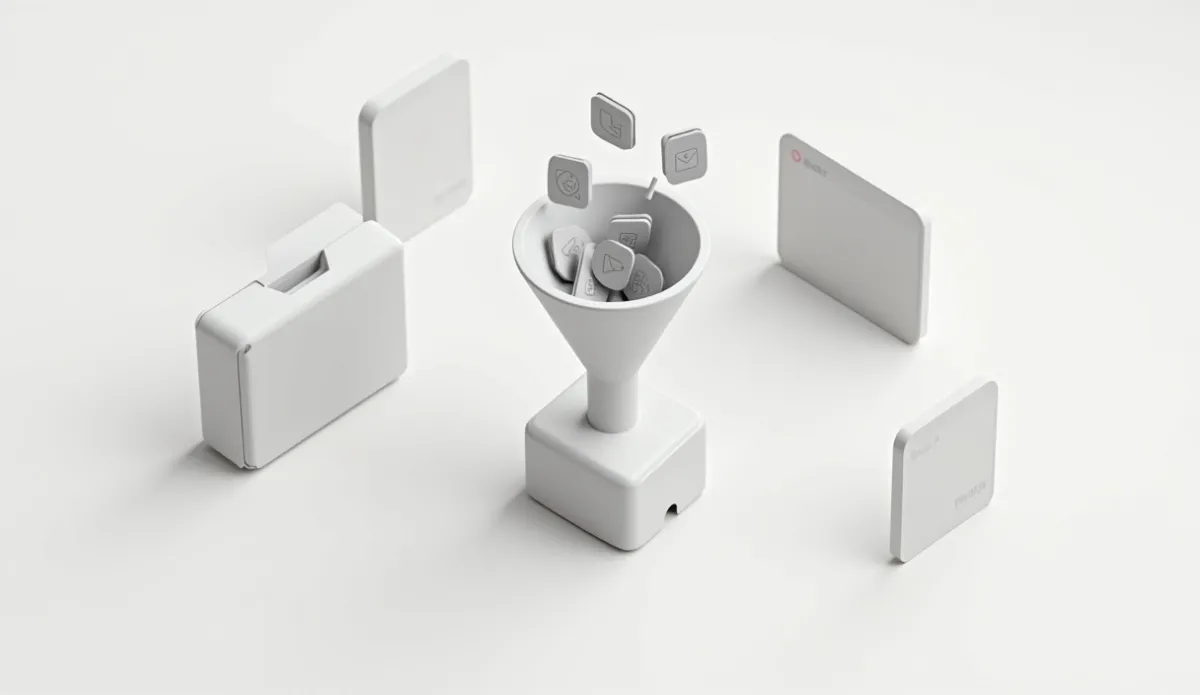
A custom audience is a targetable group of users that an advertiser builds from their own data rather than a platform's pre-built interest or demographic categories. It's typically created by uploading a customer list (emails, phone numbers, or hashed identifiers), by tagging website visitors with a tracking pixel, or by connecting app activity, then matching that data against the platform's user base to find where those same people already exist on it.
The three common sources#
Most custom audiences come from one of three places. A customer list is a direct upload, usually emails or phone numbers, matched against the platform's registered users, useful for reaching existing buyers with upsell or reactivation messaging. Website or app activity comes from a pixel or SDK firing on specific actions, page views, product views, cart adds, purchases, which is the same underlying mechanism remarketing campaigns run on. Engagement audiences are built from people who already interacted with the advertiser's ads or content directly on the platform, such as anyone who watched a portion of a video ad or opened a form.
Custom audiences as the seed for lookalikes#
Beyond targeting the custom audience itself, its main other use is as the seed for a similar-audience expansion: the platform analyzes the custom list's shared traits and finds new users who resemble it. This is why data quality in a custom audience matters even when a buyer isn't planning to target it directly. A messy or overly broad custom list produces a weaker expansion audience downstream, so the two features are closely linked in practice even though they solve different problems.
First-party data and privacy constraints#
Building useful custom audiences depends on solid first-party data: clean, consented, directly collected user information rather than third-party data bought from a broker. Privacy regulation and platform policy have both tightened around what identifiers can be used to match a custom audience and how that matching happens, generally pushing toward hashed, consented data collected directly by the advertiser. Buyers should check the specific platform's current documentation for matching requirements and consent rules rather than assuming older upload methods still apply.
Where this fits into native and affiliate funnels#
Custom audiences are more mature on social and search platforms that hold registered-user identity at scale, but the underlying idea, targeting people based on data you already own about them, applies across channels. A buyer running native ads through Taboola or Outbrain who also owns a customer list or pixel-tracked site data can often route that audience through a connected demand-side platform to layer custom-audience targeting on top of native inventory, rather than relying only on the network's built-in contextual and geo targeting. This matters most for advertisers with an established customer base to draw from, like DTC brands running native alongside other channels, less for cold affiliate offers with no existing customer data to seed from.
Keeping a custom audience useful over time#
Lists go stale. A customer list uploaded once and never refreshed drifts further from current buyer behavior every month, and a pixel-based audience with a short attribution window needs continuous new visits to stay populated. Refreshing lists on a regular schedule, and pruning identifiers that are no longer valid, keeps a custom audience (and anything modeled from it) representative of who the brand is actually reaching today rather than who it reached a year ago.