Español
 Português (Brasil)
 Français
 Deutsch
 Italiano
 Nederlands
 Polski
 Svenska
 Türkçe
 Русский
 日本語
日本語 한국어
한국어 简体中文
简体中文 Tiếng Việt
 Bahasa Indonesia
 繁體中文
繁體中文 Čeština
 Dansk
Dansk Suomi
Suomi Ελληνικά
 Română
 Magyar
 Українська
 ไทย
ไทย हिन्दी
 العربية
 עברית
עבריתAI-Generated Ad Creative
AI-generated ad creative refers to ad images, video, or copy produced using generative AI models instead of a traditional designer, photographer, or copywriter.

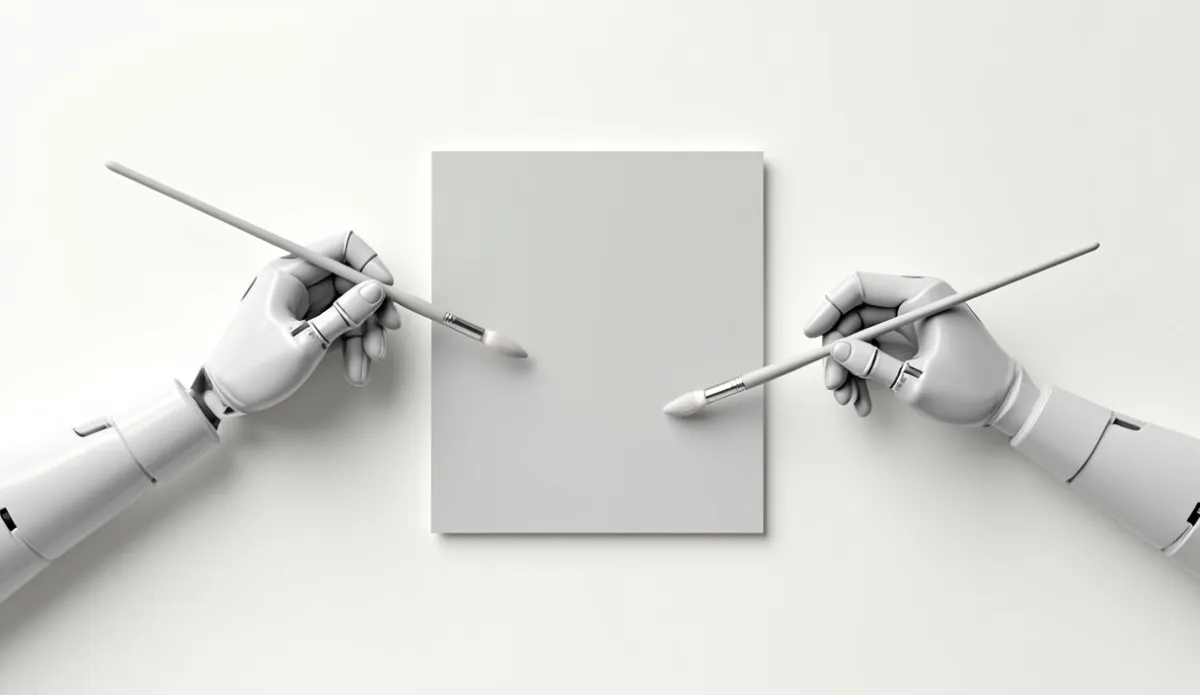
AI-generated ad creative refers to ad images, video, or copy produced using generative AI models rather than a traditional designer, photographer, or copywriter shooting and writing everything from scratch. In practice this ranges from a single AI-generated product image or background swapped into an otherwise normal ad creative, to fully synthetic UGC-style video ads with AI-generated actors and voiceover, following the same native ad creative best practices that apply to traditionally shot images.
Where it shows up in native and social ads#
The most common use case right now is image generation: product photos placed in AI-generated scenes or lifestyle contexts that would be expensive or impossible to shoot for real, and health or finance advertorial images built from AI-generated stock-style photography rather than licensed stock. UGC ads, traditionally filmed with real creators, increasingly include AI-generated voiceover or fully synthetic talking-head video, which is faster and cheaper to iterate than booking and filming real actors for every angle test.
Why buyers are adopting it#
The economics are the driver: generating ten image variants with AI costs a fraction of a real photoshoot and takes minutes instead of days, which matters directly for how fast a team can run creative tests, more angles per week without a proportional budget increase. Speed cuts the other direction too: a losing angle can be abandoned and a new one generated the same day instead of waiting on a production schedule. How to analyze winning native ad creatives and ad creative analysis both apply the same scoring logic to AI-generated and traditionally produced images alike; the generation method doesn't change what makes a hook or angle work.
Disclosure and trust considerations#
AI-generated creative raises the same disclosure questions as any advertising: viewers generally aren't told an image or voice is synthetic, and that's currently legal in most markets as long as the underlying claims about the product are honest. Where it gets risky is ad fraud in native advertising territory, using AI to fabricate a fake doctor, fake testimonial footage, or a deepfaked celebrity endorsement the person never gave, which is a trademark infringement problem regardless of whether AI or a human made the fake.
Spotting it in the wild#
Common tells include unnaturally smooth skin or backgrounds, subtly wrong hands or text in the image, stock-photo-style faces that don't quite match across a set of otherwise related images, and voiceover with a flattened, slightly off cadence. None of these tells are fully reliable since generation quality keeps improving, and plenty of legitimate advertisers now use AI generation openly for cost reasons rather than to deceive.
Tracking how fast this is spreading#
Because AI-generated creative is cheap to produce, brands using it tend to run more total creative variants than brands still shooting everything traditionally, a pattern visible in a transparency index by watching how many distinct images a single advertiser cycles through per week. OpenAdLibrary's index captures every creative variant a brand runs across networks, useful for spotting this shift as it happens. Browse examples through the ad intelligence platform.