
 Español
 Português (Brasil)
 Français
 Deutsch
 Italiano
 Nederlands
 Polski
 Svenska
 Türkçe
 Русский
 日本語
日本語 한국어
한국어 简体中文
简体中文 Tiếng Việt
 Bahasa Indonesia
 繁體中文
繁體中文 Čeština
 Dansk
Dansk Norsk (bokmål)
 Suomi
Suomi Ελληνικά
 Română
 Magyar
 Українська
 ไทย
ไทย हिन्दी
 العربية
 עברית
עבריתAd Longevity (Run Duration)
Ad longevity, or run duration, is how long an ad stays continuously live in market, a strong proxy for whether it's profitable.

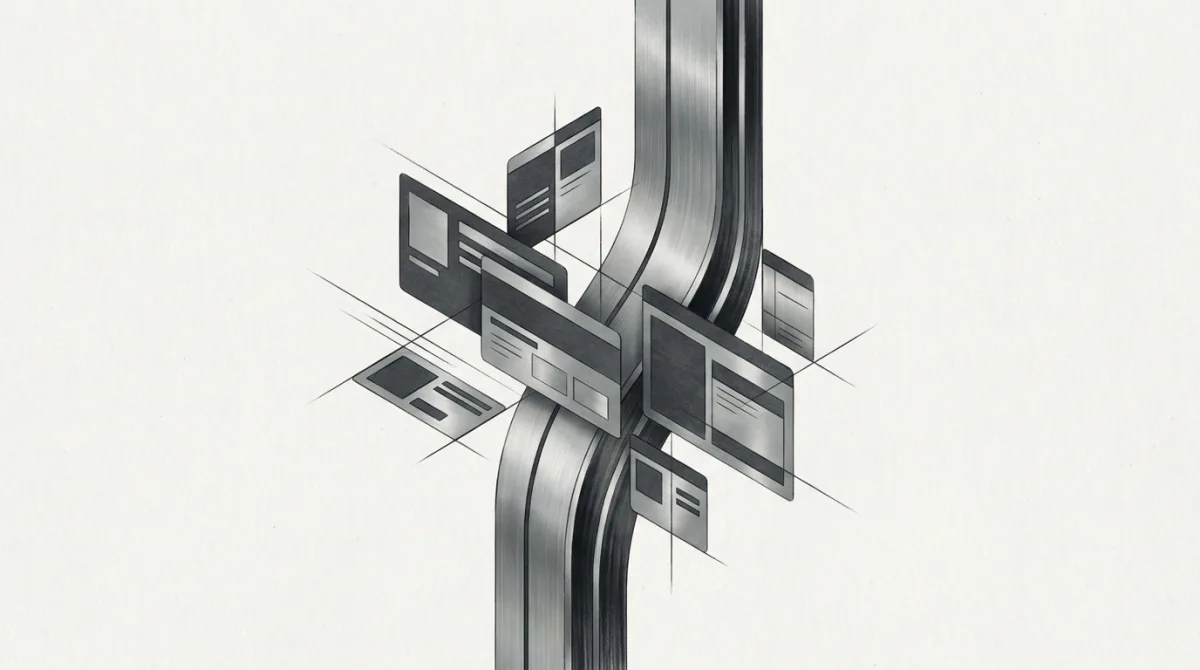
Ad longevity, also called run duration, is how long an ad stays continuously live in market, measured from the date it first appears to the date it stops running. It is one of the most reliable signals in ad research because advertisers do not keep paying to run ads that lose money.
Why it matters#
Most ads die fast. A creative that is still running after weeks or months has almost certainly survived the testing phase and is profitable enough to keep funding. That makes run duration a powerful filter for finding winners: instead of guessing which Ad Creative works, you let the market vote with sustained spend. A long-lived ad usually also indicates the advertiser is actively scaling it, since longevity and rising budget tend to move together.
How to use it#
Ad-transparency platforms that capture native ads daily can track first-seen and last-seen dates for each creative, turning longevity into a sortable metric. Buyers use it to prioritize which competitor angles to model, and to detect when a rival's evergreen ad finally drops, often a sign of Creative Fatigue or a shift in offer. Combined with how widely an ad runs, longevity also feeds estimates of a brand's Share of Voice in a vertical. The longer and wider an ad runs, the louder the signal.
Related terms: Creative Fatigue, Scaling (Media Buying), and Share of Voice (SOV).