Español
 Português (Brasil)
 Français
 Deutsch
 Italiano
 Nederlands
 Polski
 Svenska
 Türkçe
 Русский
 日本語
日本語 한국어
한국어 简体中文
简体中文 Tiếng Việt
 Bahasa Indonesia
 繁體中文
繁體中文 Čeština
 Dansk
Dansk Suomi
Suomi Ελληνικά
 Română
 Magyar
 Українська
 ไทย
ไทย हिन्दी
 العربية
 עברית
עבריתWhy Native Ads Look Like News Articles (And Where the Line Is)
The thumbnail-plus-headline tile under every news article isn't disguised by accident, it's built from the same content-recommendation components the publisher uses for its own stories. Here's the mechanic and where disclosure is supposed to sit.


Native ads look like news articles because they're built from the exact same components a publisher's own headline module uses: a thumbnail image, a short headline, and sometimes a source name, dropped into the same content-recommendation grid as the site's real "you might also like" links. That's not an accident or a disguise trick unique to shady advertisers. It's the entire technical design of the format, called content discovery or native advertising, and it's why the line between an ad and an article can be genuinely hard to see at a glance.
Understanding the mechanics matters more than getting outraged at the format, because the mechanics tell you exactly where a legitimate ad ends and a deceptive one begins.
The widget that makes this happen#
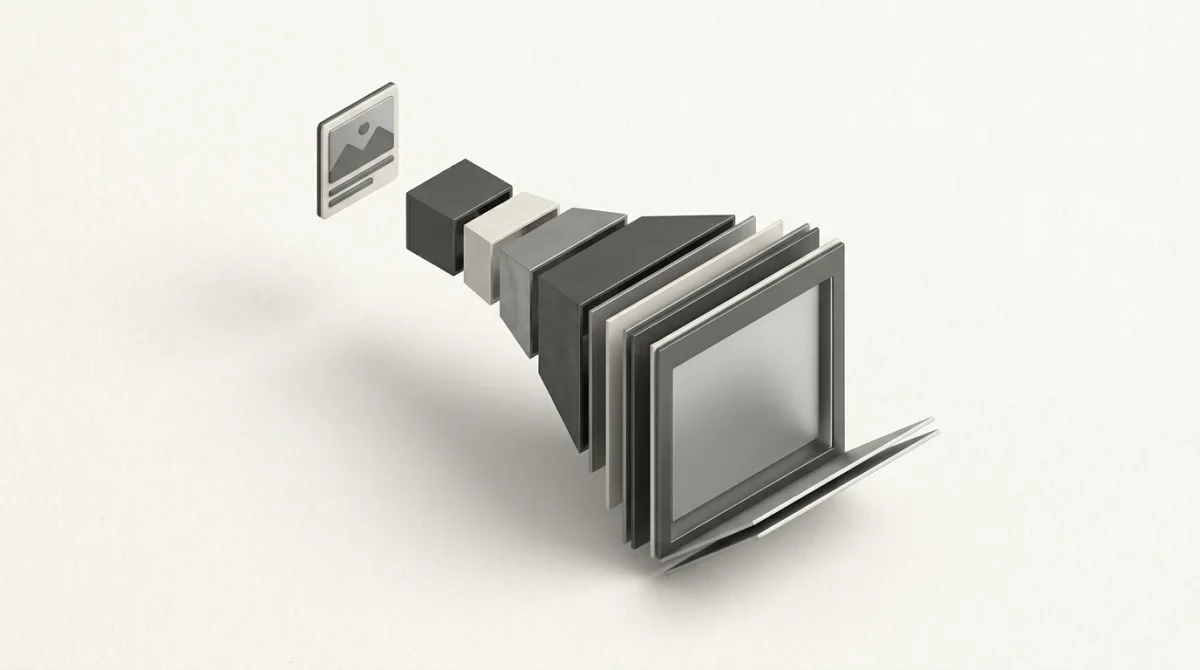
Almost every native ad you've seen at the bottom of a news article came from a content recommendation widget, a box of thumbnail-plus-headline tiles served by a company like Taboola, Outbrain (now part of Teads), MGID or Revcontent. The publisher embeds a small piece of code; the network fills the box with a mix of the publisher's own related articles and paid advertiser creative, styled to match the surrounding grid. Our content recommendation widget glossary entry breaks down exactly how that plumbing works, and the native ad widget entry covers the specific ad unit itself.
The visual similarity isn't a side effect. It's the pitch networks make to publishers: native units get clicked at meaningfully higher rates than traditional banners precisely because they don't read as an interruption. A reader's eye is already scanning a grid of headline tiles for the next thing to read; a native ad slots into that same scanning pattern instead of breaking it.
Where the "Sponsored" label is supposed to sit#
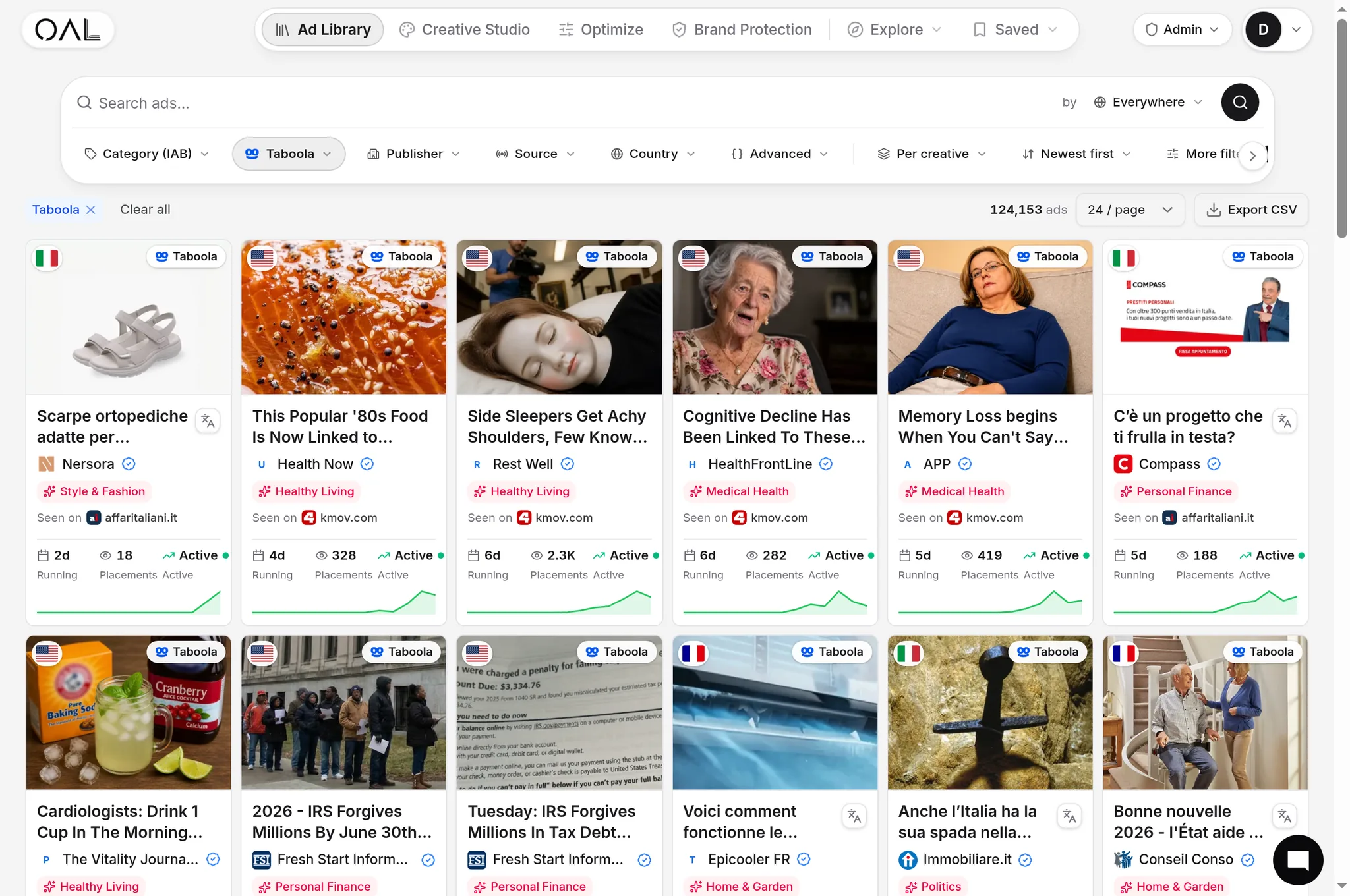
Every major network requires some form of disclosure on native placements, typically a small "Sponsored," "Promoted," "Ads by [Network]" or "Paid Content" tag on the tile itself. The trouble is that the label competes for attention with a headline and image specifically engineered to be more visually compelling than the disclosure text next to it. A 10px gray label under a bright product photo and a curiosity-driven headline is technically compliant and functionally invisible to a reader skimming a feed.
This is the crux of the disclosure debate, and it's the basis of the FTC's disclosure rules for advertorials and native ads. The short version: disclosure that exists but doesn't register with a reasonable reader still fails the FTC's actual standard, which asks whether the ad's format would lead a consumer to believe they're viewing independent content rather than paid promotion.
The advertorial layer: content that IS the ad#
Beyond the widget tile itself, the deeper version of "looks like an article" is the advertorial, a full landing page written and formatted like a news story, complete with a fake byline, publication-style header, and often a "Story continues below" break designed to keep a reader scrolling past the point where they'd normally bail. Click a native ad headline and you frequently land on one of these pages before ever reaching an actual product or offer.
Advertorials aren't inherently deceptive, plenty carry a clear "Advertisement" banner and disclose the sponsor by name at the top. But the format's entire design goal is to extend the "this feels like content" impression from the ad tile all the way through to the point of sale, which is exactly why regulators pay close attention to how and where the disclosure appears on the page itself, not just whether it exists somewhere on it.
A side-by-side look#
| Element | Real news article | Native ad styled as one |
|---|---|---|
| Byline | Named journalist, publication masthead | Often a generic brand name or none |
| Placement | Editorial section of the site | Recommendation widget, sidebar, or in-feed slot |
| Disclosure | None needed, it's not an ad | "Sponsored" / "Promoted" / "Ad" label required |
| Destination | Stays on the publisher's own domain | Usually redirects off-domain to an advertiser or lander |
| Goal | Inform or engage the reader | Drive a click to a product, offer, or lead form |
The fastest tell in practice is the destination: click a genuine headline and you stay on the publisher's site. Click most native ad tiles and you leave it, often through a redirect chain that passes through a tracker before landing on the advertiser's real page.
Why this format works so well for advertisers#
From a media buyer's perspective, looking like content isn't a gray-area trick, it's the entire value proposition of the channel. A reader who has just finished an article about home renovation is primed to click a native ad about gutter guards or window replacement in a way they'd never click a banner ad for the same product on an unrelated page. The native advertising format is built around matching context and format simultaneously, which is why home and garden, health, and finance ads dominate native placements far more than they do on display networks.
Our index of 725,000+ live native creatives across 49 networks (June 2026) shows this concentration clearly: health, finance and insurance together make up more classified creative volume than every other tracked vertical combined. Those are exactly the categories where "this looks like a helpful article, not an ad" does the most persuasive work, which is also why they draw the most compliance scrutiny.
What to check before you assume an ad is deceptive#
Not every article-styled ad is a scam, and treating the format itself as suspect misses genuinely useful, well-disclosed advertising from real brands. Before flagging something as deceptive, check:
- Is there a "Sponsored" or "Ad" label somewhere on the tile, even a small one? If yes, it's disclosed, even if the label is easy to miss.
- Does the landing page match the brand and claim in the ad headline, or does it pivot to something unrelated?
- Is the "story" on the landing page actually informative, or is it padding designed purely to delay the offer reveal?
If you want to see how this plays out across live creative rather than in the abstract, OpenAdLibrary's native ad spy tool lets you pull real, currently running examples by network and vertical, disclosure labels, headline styles and landing pages included, which is a faster way to calibrate your own read on the format than any single screenshot.
Advertorials versus pre-landers#
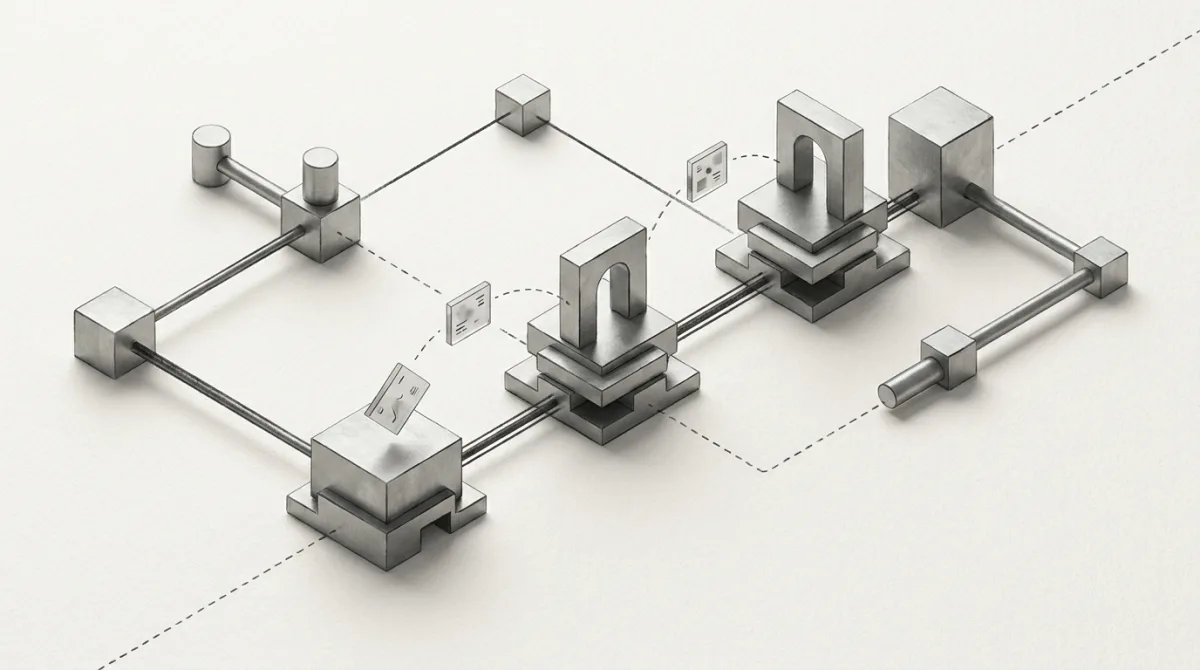
Two related formats often get lumped together and shouldn't be. An advertorial is a landing page dressed as an article, meant to be read in place. A pre-lander is a shorter interstitial page between the ad click and the actual offer, often a quiz, a quick "quiz result" reveal, or a stripped-down story fragment, built to warm a reader up before they hit a checkout or lead form. Both borrow editorial styling, but a pre-lander is explicitly a funnel step, while an advertorial is meant to stand on its own as the destination. Our roundup of pre-lander examples shows the format range in practice, and if you want the deeper mechanics of how a click moves from ad tile to advertorial to offer, the native ad supply chain, explained traces that whole path with real examples.
The short version#
Native ads look like articles because the entire format, the widget, the tile styling, and often the advertorial landing page behind the click, is engineered to match a publisher's own content patterns rather than interrupt them. That's the mechanic, not a loophole. Whether a specific ad crosses into deceptive territory comes down to how visible the disclosure actually is and whether the claims hold up once you click through, the same test that applies to any advertising format, just harder to apply here because the visual cues you'd normally rely on are the ones being matched on purpose.