Español
 Português (Brasil)
 Français
 Deutsch
 Italiano
 Nederlands
 Polski
 Svenska
 Türkçe
 Русский
 日本語
日本語 한국어
한국어 简体中文
简体中文 Tiếng Việt
 Bahasa Indonesia
 繁體中文
繁體中文 Čeština
 Dansk
Dansk Norsk (bokmål)
 Suomi
Suomi Ελληνικά
 Română
 Magyar
 Українська
 ไทย
ไทย हिन्दी
 العربية
 עברית
עבריתHow Publishers Make Money With Native Ads: The Actual Mechanics
Publishers earn native ad revenue through a network revenue share, not a fixed rate card. Here's how the auction, the RPM math, and multi-network fill actually work.


Publishers make money from native ads through a revenue-share arrangement with a native ad network: the network sells recommendation widget space on the publisher's site to advertisers, keeps a cut of what advertisers pay, and pays the publisher the rest, usually expressed as an RPM (revenue per thousand pageviews). The math that actually determines a publisher's take isn't the headline RPM number a network quotes, it's traffic quality, page placement, and how many networks are competing for the same impression.
The basic mechanic: widget space sold as inventory#
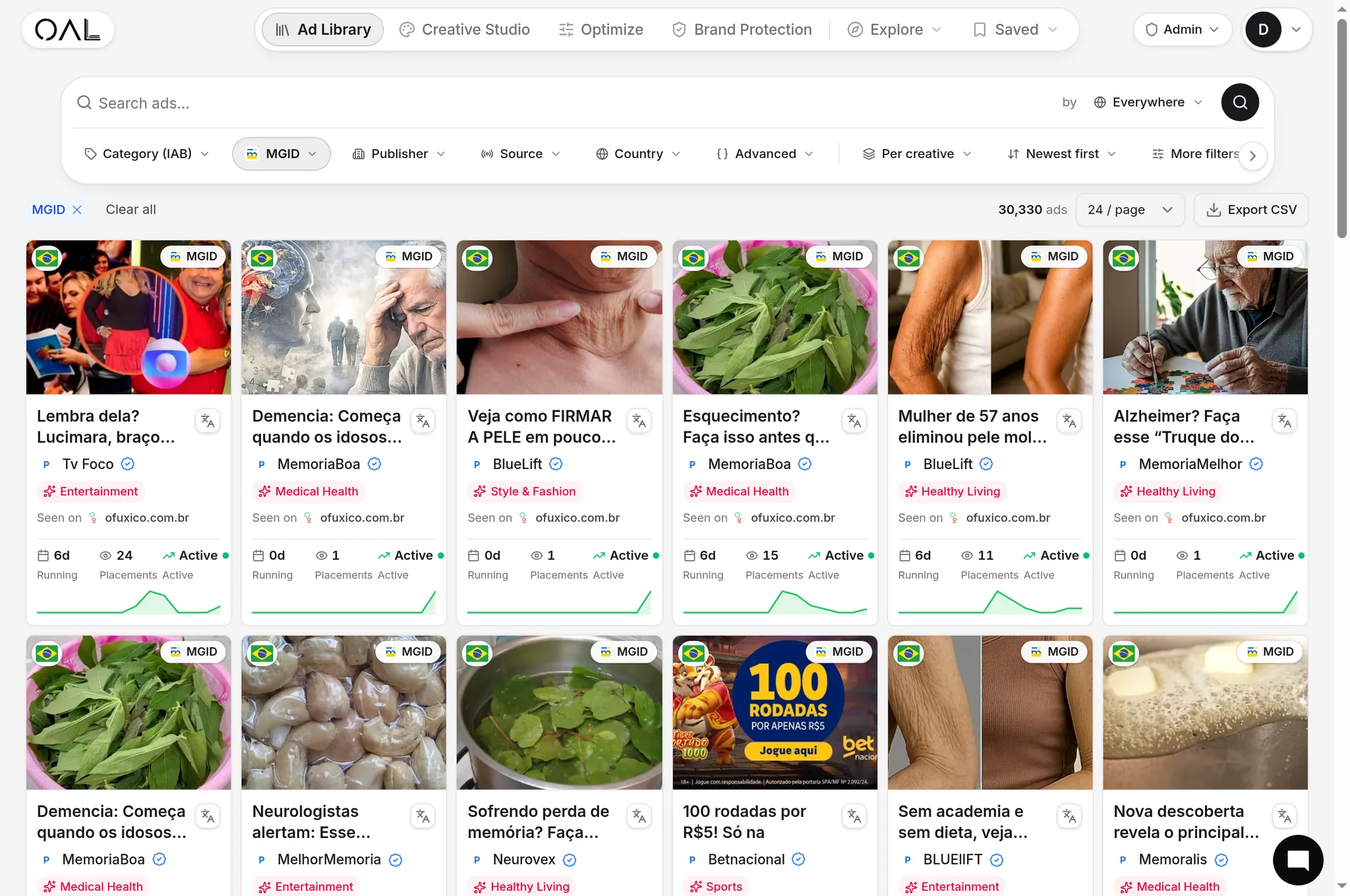
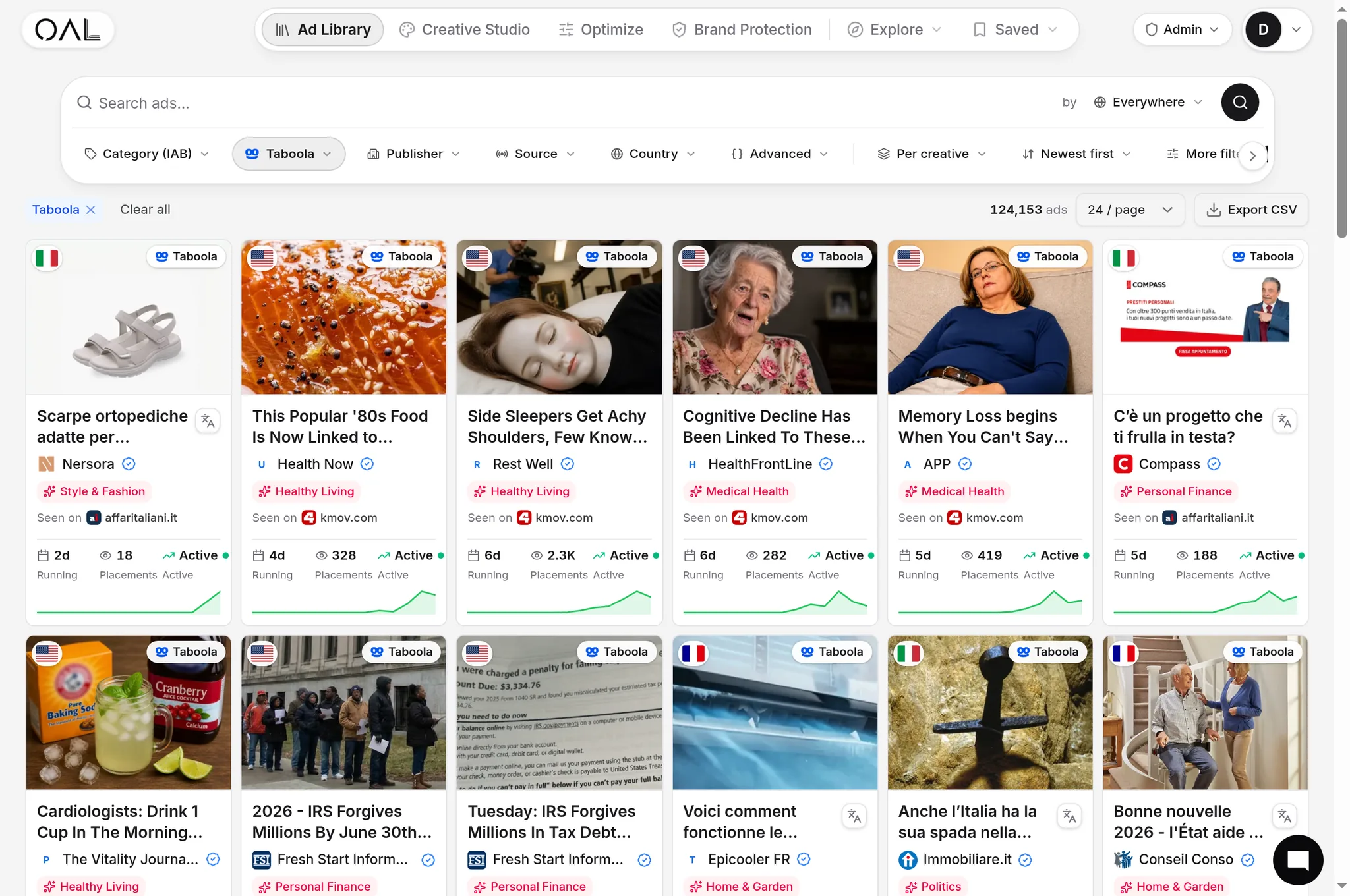
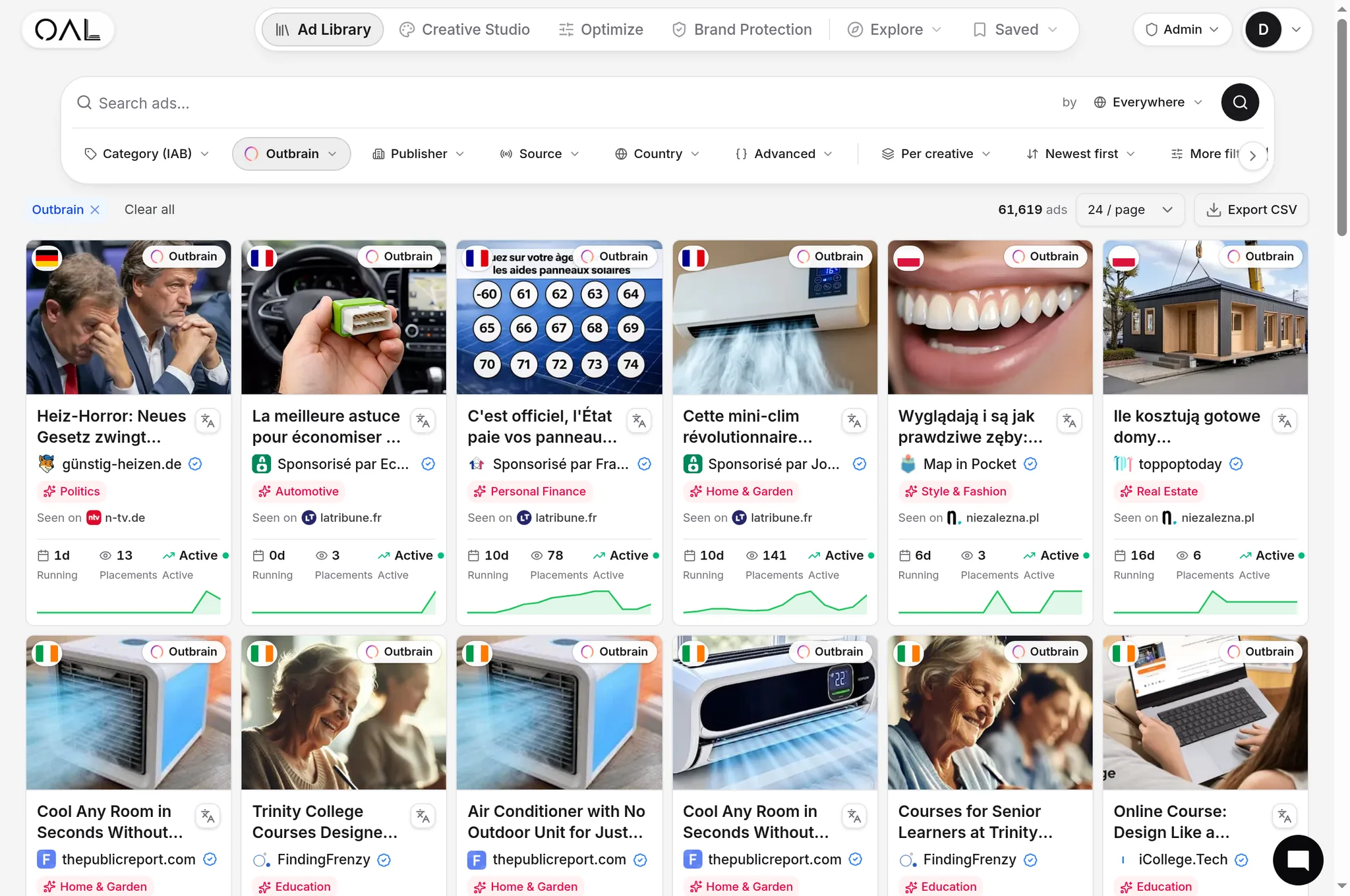
A native ad network like Taboola, Outbrain (now part of Teads), MGID or Revcontent gives a publisher a snippet of code that renders a content recommendation widget, usually at the bottom of an article or in a sidebar. That widget space is inventory the network sells to advertisers through an auction, similar in structure to real-time bidding in programmatic display, except native inventory is typically sold direct through the network rather than through an open exchange. The publisher earns a share of whatever the winning advertiser pays per click, aggregated into an RPM the network reports back.
This is fundamentally different from selling display inventory directly to a brand. The publisher doesn't negotiate rates with individual advertisers; the network handles demand, and the publisher's job is just to keep the widget populated with real traffic.
Where the money actually comes from#
Three revenue models cover almost all native monetization for publishers:
| Model | How it works | Where it's common |
|---|---|---|
| Revenue share (network-managed) | Network sells the widget space, pays publisher a percentage of what advertisers paid | Taboola, Outbrain/Teads, MGID, Revcontent |
| Direct/programmatic native | Publisher sells native placements through their own ad server or an SSP, bypassing a single network's demand pool | Larger publishers with in-house ad ops |
| Hybrid header bidding | Multiple native and display demand sources compete for the same slot via header bidding, publisher takes the highest bid | Publishers running a mediation layer across several networks |
For most small to mid-size publishers, revenue share with a single primary native network (sometimes with a secondary network filling unsold inventory) is the entire monetization strategy. Bigger publishers layer in header bidding to force networks to compete for the same slot, which tends to lift RPM but adds real ad-ops complexity.
What actually moves a publisher's RPM#
RPM is the number publishers obsess over, and it's driven by a small number of factors that matter far more than which network's logo is on the widget:
- Traffic geo. Tier-1 geo traffic (US, UK, Canada, Australia) commands meaningfully higher native RPMs than tier-2/tier-3 traffic, the same geo tier dynamic that shapes CPCs on the advertiser side.
- Content vertical. Publishers in verticals advertisers compete hardest for, health, finance, and insurance in particular, the three largest verticals across the current native ad corpus, tend to see stronger native demand and higher RPM than niche hobby content.
- Placement and viewability. A widget below the fold that nobody scrolls to earns nothing regardless of network. Placement immediately after the article body, where a reader's attention naturally lands, consistently outperforms sidebar or footer placement.
- Traffic quality and source. Direct and organic search traffic monetizes far better than incentivized, bot-heavy, or paid-traffic-driven pageviews, because advertisers are effectively paying for attention, and low-intent traffic converts poorly on their end, which networks eventually detect and downrank.
- Device mix. Native widgets generally monetize differently on mobile versus desktop, and this varies by network and vertical, so it's worth testing rather than assuming.
Why publishers run more than one network#
Running two or three networks side by side, letting each bid on different slots or rotating by day, is the single most common lever publishers pull to lift blended RPM, because no single network wins every auction for every impression. This is exactly the header-bidding logic from display advertising applied to native. It also protects a publisher from a single network's policy or algorithm change wiping out a meaningful chunk of revenue overnight, which has happened often enough in this industry that diversification is now standard practice rather than an edge case.
Comparing networks isn't just about advertiser count, it's about which network's advertiser demand actually matches a publisher's content vertical and geo. A finance-heavy publisher will generally see different fill and RPM behavior between networks than a general entertainment site would, so testing more than one network for a few weeks before committing is worth the operational overhead.
The publisher's actual leverage: traffic, not negotiation#
Unlike direct-sold display advertising, individual publishers have almost no pricing negotiation power in native, because the auction sets the price and the network sets the revenue share percentage (rarely disclosed precisely, and often adjustable by network based on traffic quality and volume). The only leverage a publisher actually has is the traffic itself: higher-quality, higher-volume, better-geo traffic gets better fill rates and effectively better rates, because it attracts more advertiser competition in the auction.
This means the fastest way for a publisher to grow native revenue isn't renegotiating with a network, it's growing the kind of traffic advertisers want to reach: tier-1 geo, organic or direct, landing on content in verticals with strong native demand.
What advertisers see on the other side#
It helps publishers to understand what's happening from the buy side, since it explains network behavior that otherwise looks arbitrary. Advertisers are bidding CPCs that vary widely by vertical and geo, and networks route budget toward publisher inventory that converts, which is why a publisher's fill rate and RPM can shift even when nothing on their own site changed. Media buyers researching how Taboola ads work or comparing MGID against Revcontent are making exactly the kind of demand-side decisions that determine which publisher inventory gets bid up and which gets left with scraps.
Common misconceptions worth clearing up#
A few assumptions trip up publishers new to native monetization. First, higher pageviews don't automatically mean higher revenue; a spike in low-intent social or referral traffic can actually drag RPM down if the network detects poor engagement and downranks the placement. Second, a widget doesn't monetize itself just by existing; unpopulated or poorly-targeted widgets (wrong content category detected, wrong geo mix) can sit at a fraction of their potential RPM indefinitely unless someone checks the dashboard regularly. Third, "more ads" isn't the lever: cramming a second or third widget onto a page usually cannibalizes clicks from the first rather than adding incremental revenue, and it damages the reading experience enough to hurt returning-visitor rates, which eventually shows up in traffic quality metrics anyway.
A practical checklist for publishers evaluating native monetization#
- Confirm your top traffic geo and content vertical before picking a primary network, since fit matters more than brand name.
- Test two networks in parallel on comparable traffic segments for at least two to three weeks before committing to one.
- Check placement: a widget positioned right after the article body will almost always outperform a footer placement.
- Audit traffic sources regularly. Low-quality or incentivized traffic depresses RPM over time as networks detect it and downrank the inventory.
- Revisit the network mix quarterly. Advertiser demand shifts by season and vertical, and a network that under-monetized last quarter might be worth reintroducing.
Where this connects to advertiser-side research#
Understanding the demand side isn't just academic for a publisher. Knowing which advertisers are actively spending on your vertical, and roughly how competitive that demand is, helps you set expectations for RPM and spot when a network's fill quality is slipping. A searchable archive of live creatives lets publishers and ad-ops teams see real advertiser activity by vertical and geo rather than guessing from a network's dashboard alone. If you want to see what advertiser demand actually looks like inside a specific network before you commit inventory to it, OpenAdLibrary's ad intelligence platform indexes live creatives across every major native network, so you can check demand density in your vertical before signing up.