

Ad-Tech Glossary
What Is Ad Refresh?
Ad refresh reloads a new ad into the same slot while a visitor stays on the page, generating extra impressions without a full page reload.
Ad refresh reloads a new ad into the same slot while a visitor stays on the page, generating extra impressions without a full page reload.

eCPM (effective cost per mille) is the revenue or cost per thousand impressions a placement actually achieves, letting you compare CPC and CPM buys directly.
Native pays on click-through, display pays on viewable impressions, and comparing the two RPM numbers directly is misleading. Here's how each mechanic actually works for publishers.

Taboola and Mediavine monetize completely different page real estate. Here's the mechanic behind each, a side-by-side comparison with Ezoic, and why most qualifying publishers run both together.

Getting your content into the Microsoft Start feed is a separate program from MSN's native advertising. Here's how the application process, editorial bar, and revenue model actually work.

RPM tracks advertiser demand density, not traffic size. Here's which content niches carry the deepest native advertiser competition, and what that means for publisher payouts.

Most premium display networks won't take a blog under 100k monthly views. Here's what native widget networks pay instead, and what actually moves the RPM needle before your traffic does.

A single 'average RPM' number is nearly useless without niche, geo and device context. Here's what actually determines your website earnings per 1,000 visitors.

Content recommendation widgets do add load time, but the damage is mostly about implementation, not the ad format itself. Here's where the cost hides and how to fix it.

Rev share, CPM guarantees and account support are all negotiable with Taboola and Outbrain, but only if you have real volume. Here's how the leverage works.

No single tool blocks every bad ad. Here's the layered approach publishers actually use, from network blocklists to manual review to proactive advertiser checks.

Content recommendation widgets pay real revenue, but the reputation cost lands on you, not the network. Here's how to weigh the trade-off and the controls that fix it.

A falling RPM usually has one of four causes: seasonal demand, a network-side shift, a site-side technical issue, or creative decay. Here's how to tell them apart before you panic.
Taboola and Google AdSense can run on the same page with no policy conflict. Here's how publishers actually combine the two without hurting page speed or ad density.
Google doesn't penalize sites for running native ad widgets, but sloppy implementations hurt page speed, layout shift and user trust, all of which do affect rankings. Here's how to run native without the SEO cost.

Neither Taboola nor Outbrain (now Teads) publishes a minimum traffic requirement. What their publisher pages say, what is unverified, and how to prepare for a conversation that covers traffic, geography and content quality.

Widget position can affect RPM, but there is no universal best slot. How to compare placements by visibility, revenue per pageview and reader experience, with sizing notes and your network's implementation rules.

Reported content recommendation RPM varies widely, and geo, vertical and device mix are said to matter more than the network you pick. What drives the spread, and how to diagnose a drop in yours.
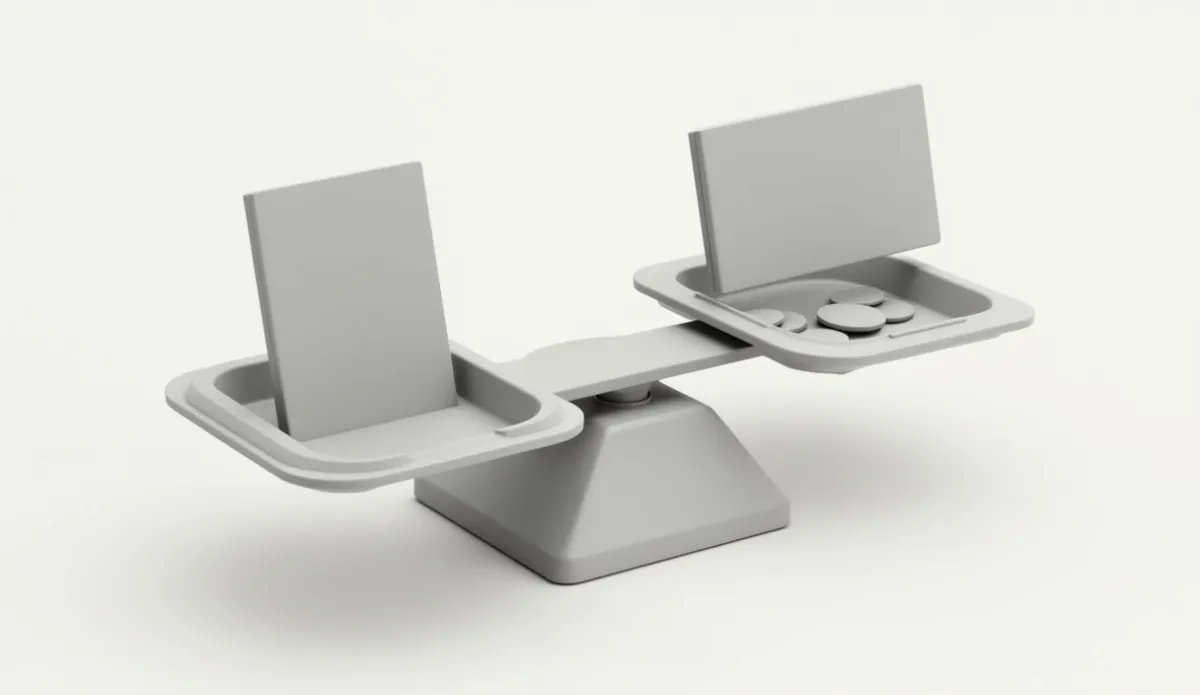
Taboola sells native recommendation widget space; AdSense sells programmatic display. Which earns more depends on your content vertical and traffic, not on which network is better.
Publishers earn native ad revenue through a network revenue share, not a fixed rate card. Here's how the auction, the RPM math, and multi-network fill actually work.

MSN's native feed runs on the Microsoft Audience Network — but resold partner demand fills a slice of it too. Here is the click-chain evidence, plus the five-step method for profiling any publisher's ad networks.

Taboola and Outbrain are graduation targets, not starting points. Here are the native ad networks that realistically accept small publishers, what demand you'll actually serve, and the checks to run before you embed a widget.