Español
 Português (Brasil)
 Français
 Deutsch
 Italiano
 Nederlands
 Polski
 Svenska
 Türkçe
 Русский
 日本語
日本語 한국어
한국어 简体中文
简体中文 Tiếng Việt
 Bahasa Indonesia
 繁體中文
繁體中文 Čeština
 Dansk
Dansk Norsk (bokmål)
 Suomi
Suomi Ελληνικά
 Română
 Magyar
 Українська
 ไทย
ไทย हिन्दी
 العربية
 עברית
עבריתTaboola vs Mediavine vs Ezoic: Widget Money vs Display Money
Taboola and Mediavine monetize completely different page real estate. Here's the mechanic behind each, a side-by-side comparison with Ezoic, and why most qualifying publishers run both together.


Taboola and Mediavine (or Ezoic) aren't really competing for the same ad slot, so the "versus" framing is a bit misleading: Taboola sells content recommendation widgets that pay on click-through, while Mediavine and Ezoic manage your full display ad stack and pay largely on impressions and viewability. Most established publishers who qualify for both end up running them together rather than picking one, since they monetize different real estate on the same page.
Two fundamentally different monetization mechanics#
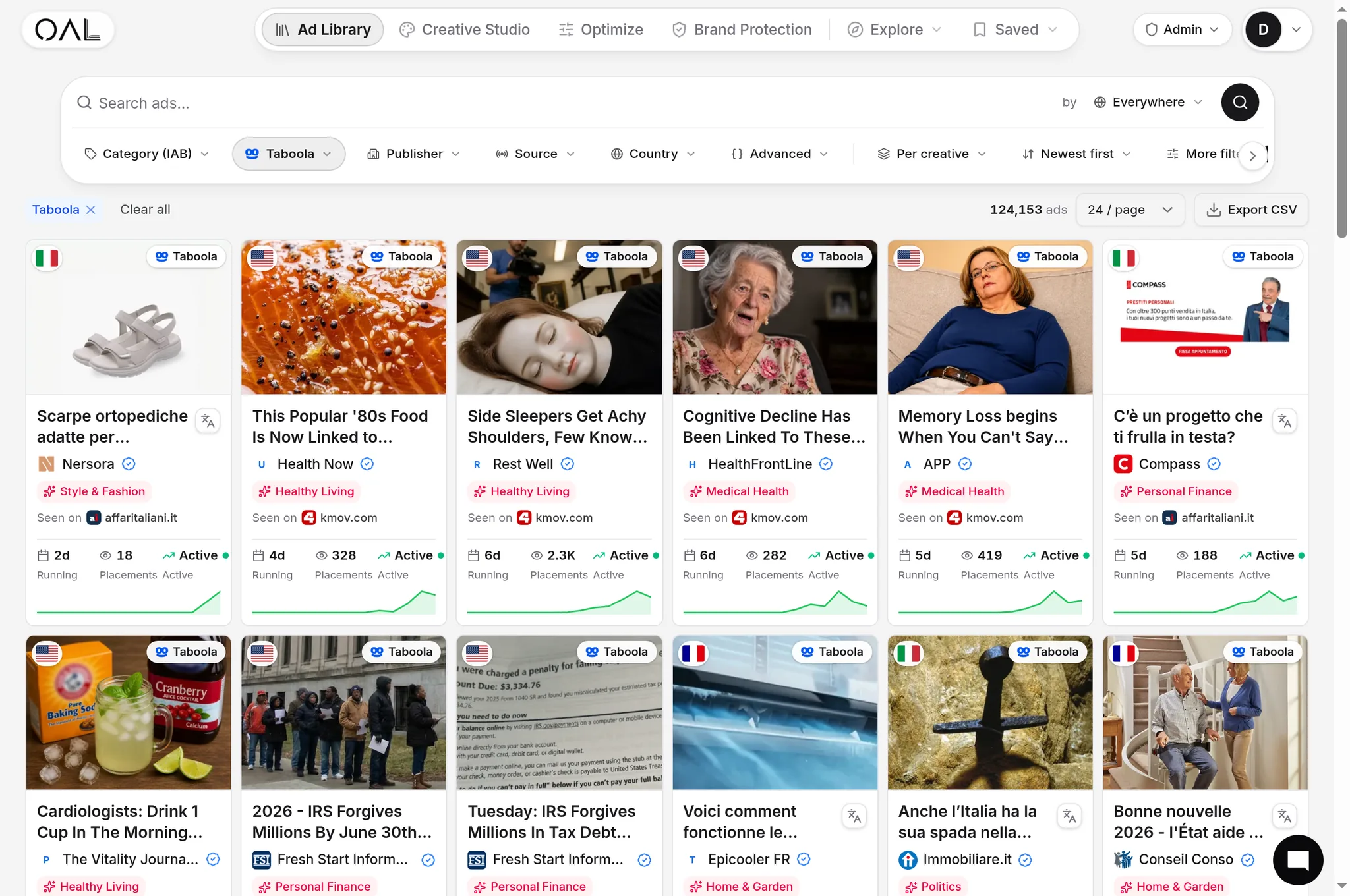
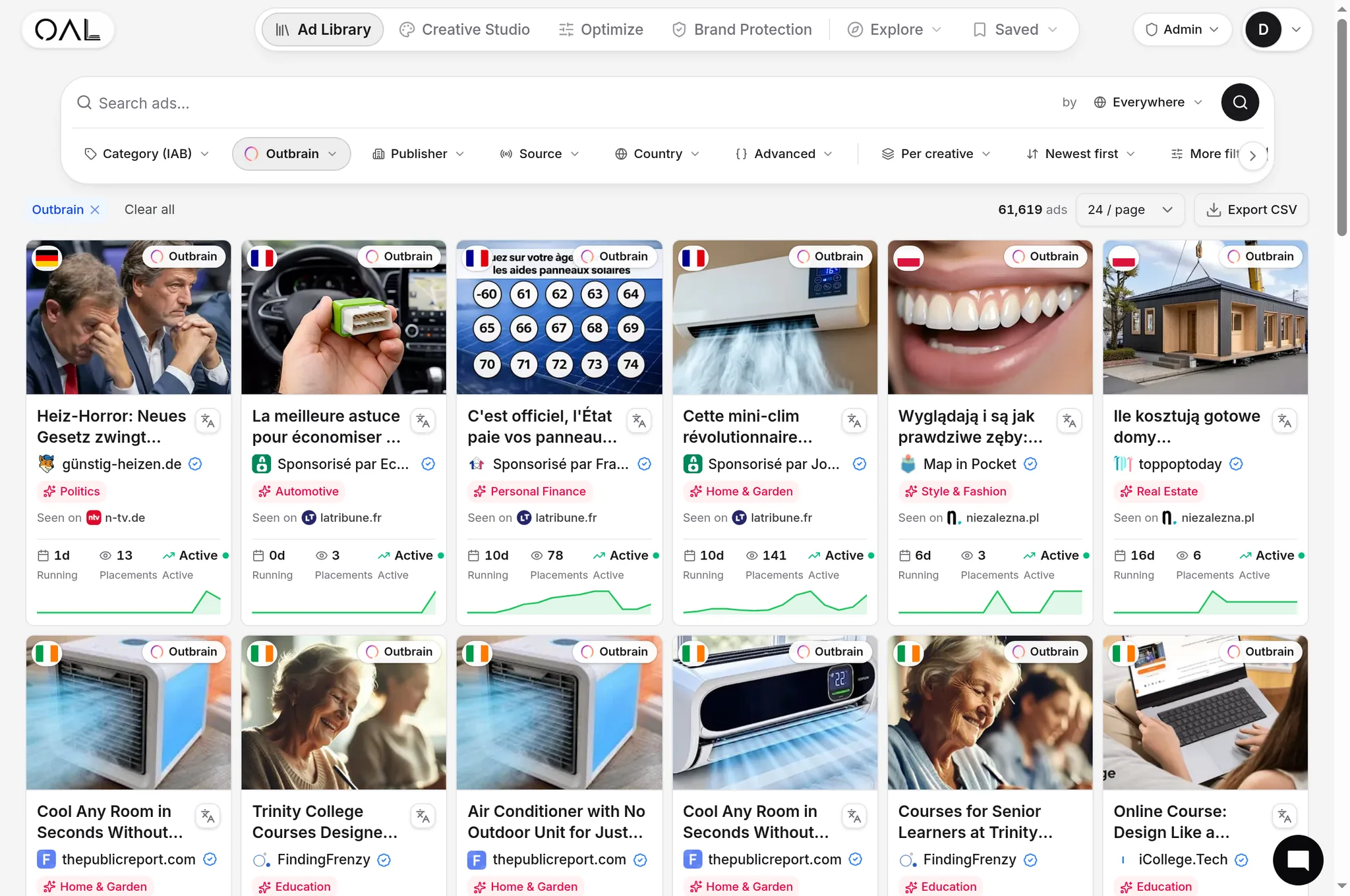
A Taboola or Outbrain widget is a content recommendation grid, usually placed at the end of an article, that mixes your own related posts with sponsored native creative from advertisers. Revenue comes from clicks: a reader clicks a recommended headline, and you earn a share of what the advertiser paid for that click. It's the same content recommendation widget mechanic across every major native network, just with different advertiser rosters and payout terms.
Mediavine and Ezoic work completely differently. They manage display banner inventory (sidebar units, in-content banners, sticky footers) through a managed header bidding stack that runs a real-time auction across dozens of demand sources for every single ad impression. You're paid largely on a CPM basis (per thousand impressions viewed), adjusted for viewability, rather than on clicks. Ezoic adds an AI layer on top that continuously tests ad density and placement per page to optimize for a blend of revenue and user experience.
Side-by-side comparison#
| Taboola / Outbrain | Mediavine | Ezoic | |
|---|---|---|---|
| Ad type | Content recommendation widget | Managed display banners | Managed display banners |
| Payout mechanic | Per click on recommendations | Per thousand viewable impressions | Per thousand viewable impressions |
| Typical eligibility | No published minimum, selective in practice | Historically ~50,000 sessions/month | No traffic minimum |
| Where it sits on the page | End of article, sometimes mid-content | Sidebar, in-content, sticky units | Sidebar, in-content, sticky units, AI-placed |
| What drives payout | Advertiser demand in your niche + widget CTR | Header-bidding demand + viewability + niche | Same, plus AI-tested placement density |
| Can run alongside the other | Yes, different ad slot entirely | Yes | Yes |
Eligibility bars shift over time and both Mediavine and Taboola review applications individually, so treat the traffic figures above as a general starting point and confirm current requirements directly with each network before applying. If you're weighing Taboola against its closest native rival directly, the same mechanics show up in a Taboola versus Outbrain comparison; the "widget versus display" question in this article is a separate axis entirely from "which native network."
Why publishers run both instead of choosing one#
Since a widget at the bottom of the article and a display banner in the sidebar occupy entirely different page real estate, there's little direct cannibalization between the two categories once you account for page load and user experience carefully. A publisher running Mediavine for display and Taboola or Outbrain for the end-of-article widget is capturing two separate advertiser budgets rather than splitting one.
The place they can conflict is page speed and reader experience, not the ad auction itself. Stacking a heavy display setup with a heavy native widget script on the same page can push load time into a range that hurts both SEO and viewability-based display payouts. Most publishers who run both keep the native widget to a single, clearly-lower-fold placement and let the display network's own optimization layer (Mediavine's ad refresh logic, Ezoic's AI density testing) handle the rest of the page.
What changes the calculus by niche#
Native widget payout tracks advertiser demand density in your content vertical, the same way display CPMs do, but the two don't always move together. A finance or insurance-heavy site tends to do well on both native and display, since advertiser demand is deep across both channels in those verticals. A general entertainment or curiosity-driven site might see stronger relative performance from a native widget, since that content format naturally suits a recommendation-grid click, while display CPMs in that same niche might lag behind health or finance sites running comparable traffic.
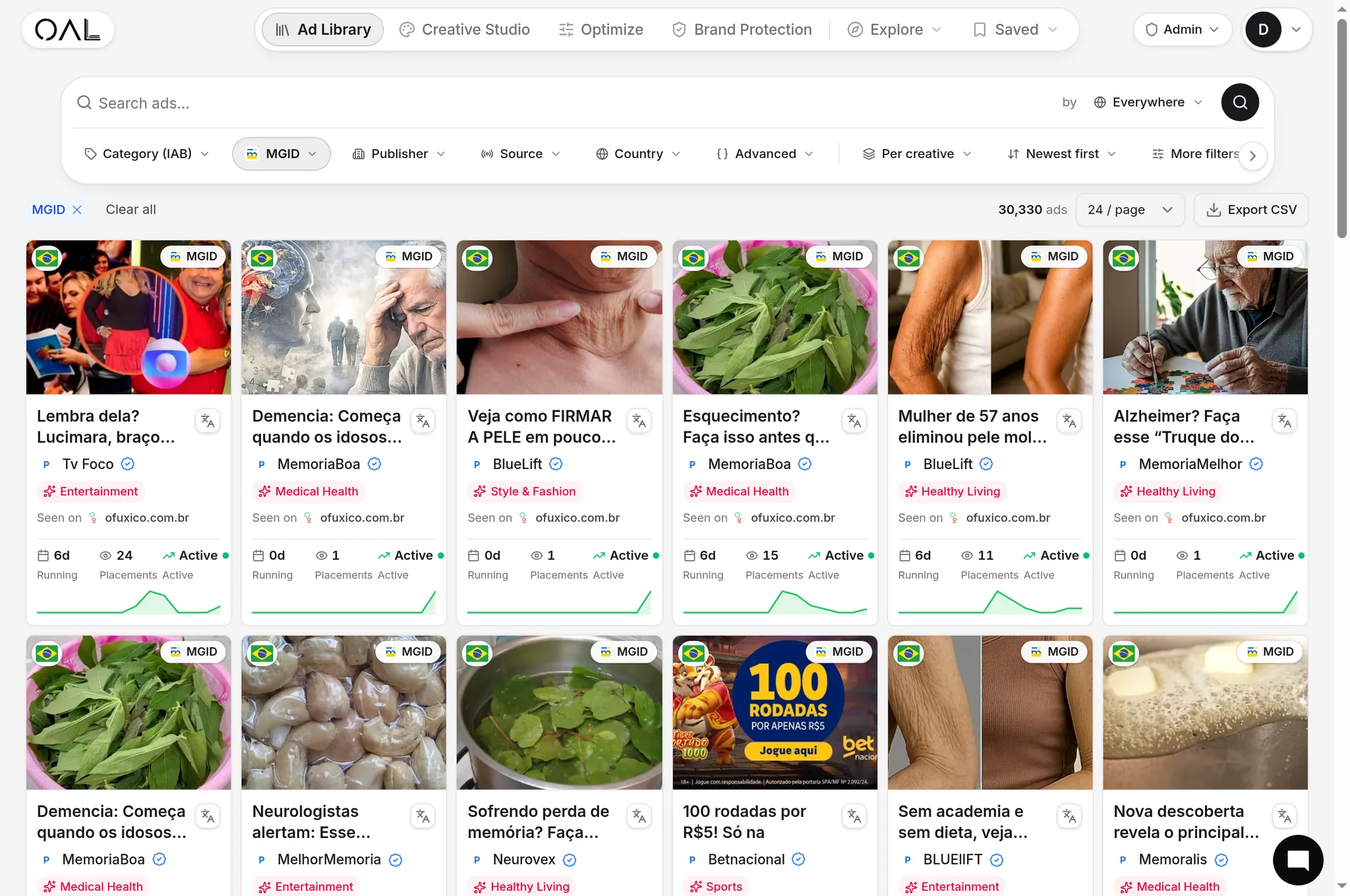
Checking what's actually running in your niche before committing to a stack is worth the ten minutes it takes. OpenAdLibrary's native ad spy tool shows live creative volume by vertical and network for free, which is a faster way to gauge advertiser interest than guessing from a single RPM number someone posted in a forum.
A practical decision framework#
If you're under the traffic threshold Mediavine or a similar managed display network requires, start with Ezoic (no minimum) or an existing AdSense setup, and layer a MGID or Revcontent widget once your niche shows decent advertiser demand in the top native ad verticals, since both tend to be more open to smaller sites than Taboola or Outbrain. Once you clear the traffic bar for a managed display network, apply, and keep the native widget running alongside rather than replacing it; the two rarely compete for the same reader attention or the same advertiser dollar, so there's usually little reason to drop one in favor of the other once both are running cleanly.
Where the comparison actually matters#
The real decision isn't "Taboola or Mediavine." It's whether your current traffic and niche justify running a native widget at all yet, and separately, whether you've cleared the bar for a managed display network. Most publishers end up running both once they're large enough to qualify, treating them as complementary revenue streams tied to different parts of the page rather than as competing options for the same dollar.
Reader experience trade-offs worth weighing#
A native widget's biggest risk isn't revenue cannibalization with your display stack, it's brand trust. Recommendation grids that mix your own related posts with tabloid-style sponsored headlines can read as low-quality to a reader who's just finished a carefully written piece, especially on sites covering serious topics like health or finance. Display banners carry less of this risk since they're visually distinct from editorial content and readers have long since learned to tune them out without associating them with the publisher's own credibility.
Some publishers manage this by choosing a native network with tighter creative moderation, or by placing the widget further down the page past a clear visual break, or by limiting the number of sponsored slots mixed in with genuinely related internal content. None of these fully eliminate the trust risk, but they reduce it meaningfully compared to running an unfiltered widget with maximum sponsored density purely to chase a slightly higher RPM.
What changes if your site is niche-specific versus general-interest#
A general-interest site covering a wide mix of topics will typically see a native widget's recommendation grid perform reasonably well across the board, since there's a broad pool of related content and advertiser categories to draw from. A tightly focused niche site, say a personal finance blog covering only retirement planning, can actually see stronger native performance per pageview despite having a smaller total audience, because the advertiser demand in that specific niche is both deep and highly relevant to what the reader was already reading. Display CPMs tend to follow a similar pattern but are somewhat less sensitive to topical tightness than native click-through rates are, since a banner impression pays regardless of topical relevance in the way a recommendation click depends on it.
Testing before committing to a permanent stack#
Because both native and display revenue depend heavily on niche and audience behavior that's hard to predict from general industry commentary, the only reliable way to know what works for a specific site is to test it directly. Most native networks and managed display partners allow a trial period or an easy opt-out, which makes it low-risk to add a widget or switch display providers for a few weeks and compare RPM against a clean baseline period before committing longer-term. Track native and display RPM as two separate numbers throughout any test, not as one blended figure, since a blended number can mask a decline in one format hidden by growth in the other.