Español
 Português (Brasil)
 Français
 Deutsch
 Italiano
 Nederlands
 Polski
 Svenska
 Türkçe
 Русский
 日本語
 한국어
 简体中文
 Tiếng Việt
 Bahasa Indonesia
 繁體中文
 Čeština
 Dansk
 Norsk (bokmål)
 Suomi
 Ελληνικά
 Română
 Magyar
 Українська
 ไทย
 हिन्दी
 العربية
 עברית
Ad Hook
An ad hook is the opening element of an ad, such as a headline, thumbnail, first line or opening seconds of a video, intended to catch attention and pull the viewer into the rest of the ad.

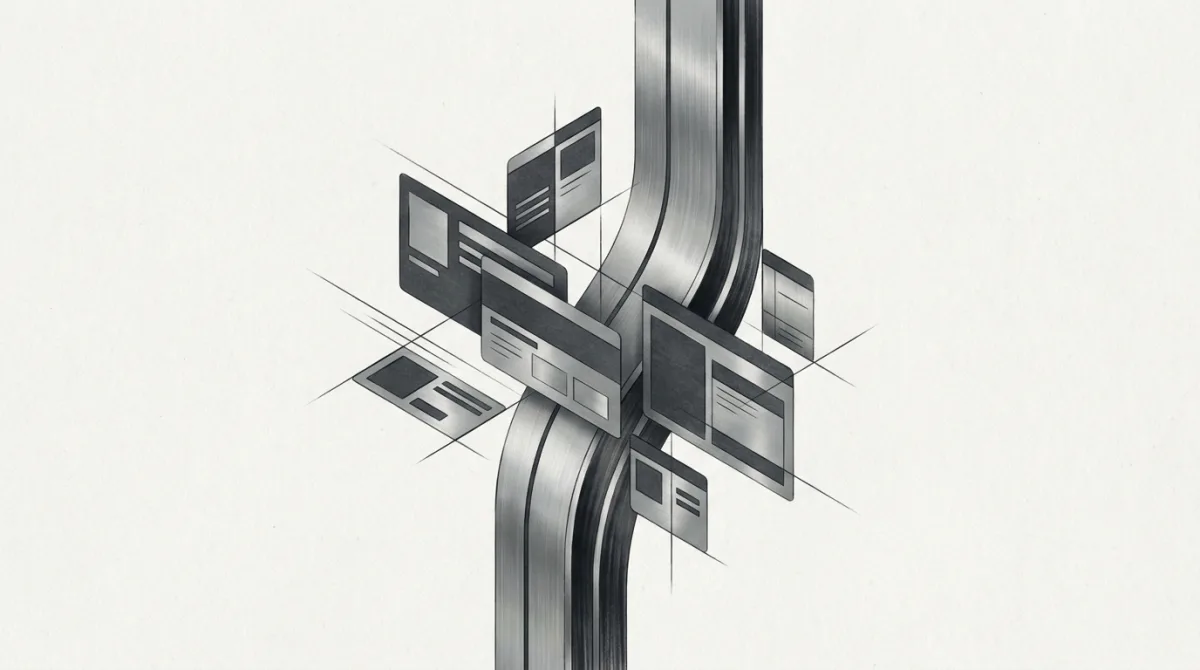
An ad hook is the opening element of an advertisement, such as the headline, thumbnail, first line or opening seconds of a video, intended to catch a viewer's attention and pull them into the rest of the ad. In a native placement, the thumbnail and headline are most of what a reader sees before deciding whether to click, so they usually carry the hook.
How it works#
In native formats like Taboola or Outbrain widgets, the hook is usually the headline-plus-image pair shown in the feed. Common hook devices include tension, surprise, specificity, or an open loop the reader wants resolved, often a Curiosity Gap that promises an answer behind the click. The page still has to deliver what the hook promises: Realize (Taboola), for example, requires titles to accurately reflect the subject of the landing page and bars all-caps titles and excessive punctuation. A strong hook is distinct from the Creative Angle (the underlying argument or positioning) and from the full Ad Creative (the complete asset): the hook is the entry point, the angle is the strategy, and the creative is the package. A hypothetical example: for a running-shoe retailer, the headline "Do your running shoes suit the way you run?" is the hook, the angle is that choosing shoes should start from how a person runs, and the creative is that headline together with a photo of a runner's feet and the brand name.
Why it matters#
Because the hook affects whether people click, media buyers test hook variations against the same offer and judge them by click-through and conversion data in their own accounts. Captured ads in OpenAdLibrary show which hooks competitors used and when each was observed. How long a hook kept appearing does not show its click-through rate, spend or profit, though it can suggest a variation worth testing with your own data. Related terms: Creative Angle, Ad Creative, and Curiosity Gap.