Español
 Português (Brasil)
 Français
 Deutsch
 Italiano
 Nederlands
 Polski
 Svenska
 Türkçe
 Русский
 日本語
日本語 한국어
한국어 简体中文
简体中文 Tiếng Việt
 Bahasa Indonesia
 繁體中文
繁體中文 Čeština
 Dansk
Dansk Norsk (bokmål)
 Suomi
Suomi Ελληνικά
 Română
 Magyar
 Українська
 ไทย
ไทย हिन्दी
 العربية
 עברית
עבריתConversions API (CAPI): Definition & How It Works
A Conversions API (CAPI) sends conversion events from your own server directly to an ad platform, instead of relying only on a browser pixel.

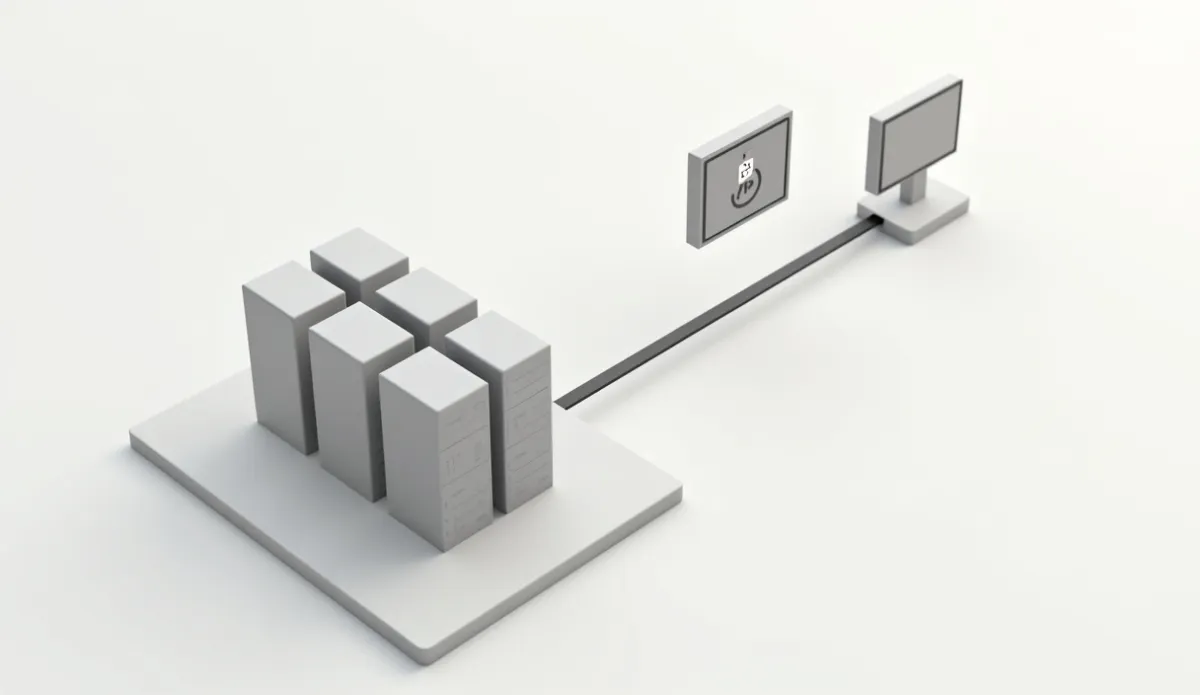
A Conversions API (CAPI) is a server-to-server integration that sends conversion events, like a purchase or a lead form submission, directly from an advertiser's server to an ad platform, instead of relying only on a browser-based tracking pixel to fire the event client-side. Meta popularized the term with its own Conversions API, and most major platforms now offer an equivalent server-side event API.
Why it exists#
Browser-based conversion pixels depend on the user's browser actually loading and executing the tracking script. Ad blockers, browser tracking-prevention features, and users simply closing the tab before the pixel fires all cause real conversions to go unrecorded. A CAPI integration sends the same event from your backend, at the moment your order system actually confirms the sale, so it isn't dependent on what happens in the customer's browser at all. Most advertisers running CAPI alongside a browser pixel see a meaningful recovery in tracked conversions, since the two methods catch different failure modes.
How it fits into broader server-side measurement#
A Conversions API is one specific implementation of a wider shift: moving event collection off the browser and onto infrastructure the advertiser controls. That broader approach can include a CAPI integration alongside other server-side pieces, like a first-party tracking domain or a server-side tag manager container, all serving the same goal of reducing dependence on client-side scripts. Some affiliate and CPA setups achieve a similar result through a postback URL, where the network's server notifies your server directly when a conversion completes.
What a typical setup looks like#
Your web or app backend detects a conversion event, a completed checkout or a submitted lead. Your server sends that event, along with hashed customer identifiers for matching, directly to the ad platform's API endpoint. The platform deduplicates this server event against any matching browser-pixel event for the same conversion, using a shared event ID, so the same sale isn't double-counted.
What it does and doesn't fix#
CAPI recovers events that a blocked or delayed browser pixel would have missed, which generally improves conversion tracking completeness and can improve the platform's own optimization, since the algorithm gets fed more, and better-matched, signal. It does not fix cross-device or cross-network attribution on its own. Deciding how much credit each touchpoint deserves along a longer path is still a separate modeling problem, one that a single event API can't solve by itself.
Where it matters for native and affiliate campaigns#
For advertisers who buy across several networks, native platforms alongside paid social, a reliable CAPI setup on each platform means the reported cost-per-acquisition you see in each dashboard is closer to reality, which makes cross-network budget comparisons more trustworthy. Before assuming a network's reported CPA is understated purely due to tracking loss, it's worth confirming the creative itself is actually still competitive. OpenAdLibrary's ad intelligence tools let you check what's currently running and for how long, see ad longevity, alongside your own tracking data.