Español
 Português (Brasil)
 Français
 Deutsch
 Italiano
 Nederlands
 Polski
 Svenska
 Türkçe
 Русский
 日本語
日本語 한국어
한국어 简体中文
简体中文 Tiếng Việt
 Bahasa Indonesia
 繁體中文
繁體中文 Čeština
 Dansk
Dansk Norsk (bokmål)
 Suomi
Suomi Ελληνικά
 Română
 Magyar
 Українська
 ไทย
ไทย हिन्दी
 العربية
 עברית
עבריתDynamic Creative Optimization (DCO)
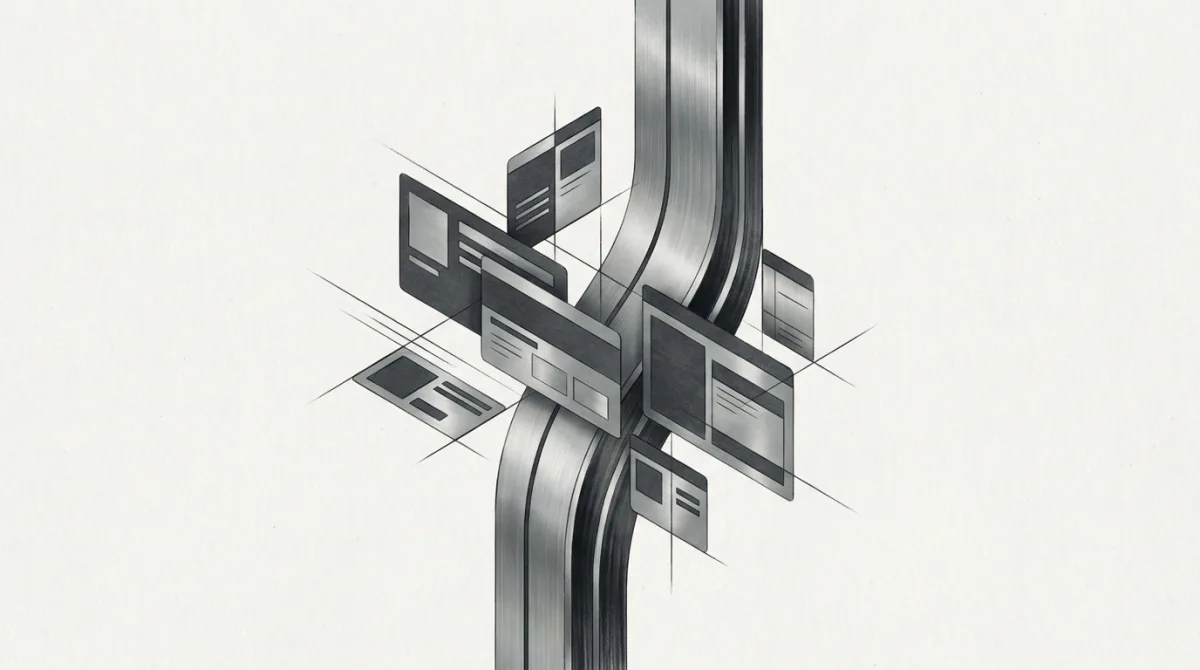
Dynamic Creative Optimization (DCO) is technology that automatically assembles and swaps ad components, images, headlines, CTAs, based on real-time performance data.


Dynamic Creative Optimization, usually shortened to DCO, is technology that automatically assembles and swaps ad components, images, headlines, calls to action, based on real-time performance data, rather than a human manually choosing which static ad creative to run. Instead of one fixed ad, DCO treats each element as a variable the system can recombine on the fly for different audiences or contexts.
How it actually works#
A DCO setup starts with a library of interchangeable pieces: several headline options, several images, several CTA button texts, sometimes different pricing or offer details pulled from a feed. The platform then serves combinations to different segments of the audience and shifts impression share toward whichever combination is converting best, similar in spirit to continuous A/B testing but running automatically across many more combinations than a human would manually test one at a time. Dynamic product ads on ecommerce platforms are the most visible version of this, pulling live product images, prices, and names straight from a feed and assembling a unique ad per viewer based on browsing history.
Where DCO shows up in native advertising#
Native networks have historically relied more on manual creative rotation than full DCO, since native ad formats are simpler than the multi-element display banners DCO was originally built for. That said, Taboola, Outbrain, and other networks have added automated headline and image rotation features that borrow directly from DCO logic, testing multiple headline variants against the same image, or vice versa, and shifting delivery toward the combination with the best CTR and downstream conversion rate.
The tradeoff: control versus scale#
DCO's advantage is scale: it can test far more combinations than a human ever would, and it reacts to performance shifts faster than a weekly manual review. The tradeoff is control and creative coherence, an automatically assembled combination can occasionally pair a headline and image that clash, or surface an offer detail that's technically accurate but poorly framed. Most buyers running DCO still review outputs periodically rather than treating it as fully hands-off, and use creative fatigue signals to know when the whole element library, not just one combination, needs a refresh. Buyers new to DCO sometimes assume it removes creative work entirely, when in practice it just shifts that work from picking one final ad to building a strong library of interchangeable pieces up front.
Researching DCO in the wild#
Because DCO produces many creative variants from the same underlying campaign, watching a brand's ad activity over time in a transparency index often reveals a set of near-identical ads with small headline or image differences, a decent tell that DCO or automated rotation is running behind the scenes rather than a human hand-picking each variant. OpenAdLibrary's ad intelligence platform surfaces every live variant for a brand so you can see that pattern directly.