English
 Español
 Português (Brasil)
 Français
 Deutsch
 Italiano
 Nederlands
 Polski
 Svenska
 Türkçe
 Русский
 日本語
日本語 한국어
한국어 简体中文
简体中文 Bahasa Indonesia
 繁體中文
繁體中文 Čeština
 Dansk
Dansk Norsk (bokmål)
 Suomi
Suomi Ελληνικά
 Română
 Magyar
 Українська
 ไทย
ไทย हिन्दी
 العربية
 עברית
עבריתNative Ads Chi Phí Bao Nhiêu? Hướng Dẫn Lập Ngân Sách 2026
Phân tích từ người trong nghề về chi phí thực sự của quảng cáo native trong năm 2026: tiền gửi tối thiểu, phạm vi CPC và ngân sách thử nghiệm thực tế quyết định bạn có thành công hay không, dựa trên dữ liệu quảng cáo trực tiếp từ Taboola, Teads, MGID và Revcontent.

Quảng cáo native có một vấn đề về danh tiếng định giá. Các mạng lưới treo mức giá thầu tối thiểu $0.03 và ngân sách bắt đầu $10/ngày, sau đó lặng lẽ để các nhà quảng cáo mới đốt $1,500 để học rằng cả hai con số đó đều không thực tế. Câu trả lời trung thực cho "quảng cáo native chi phí bao nhiêu" đến từ ba lớp: số tiền gửi tối thiểu để mở tài khoản, CPC bạn thực sự phải trả để giành được traffic chất lượng, và tổng ngân sách bạn cần trước khi dữ liệu có ý nghĩa.
Hướng dẫn này phân tích cả ba lớp trên các mạng lưới chính vào năm 2026. Nó cũng chỉ cho bạn cách kiểm tra lại từng con số dựa trên những gì các nhà quảng cáo đang làm ngay bây giờ, sử dụng dữ liệu quảng cáo trực tiếp thay vì cảm tính.
Để có bối cảnh về quy mô: trên chỉ mục OpenAdLibrary (tháng 6 năm 2026), chúng tôi đang theo dõi 25,933 nhà quảng cáo, 589,036 sáng tạo được chụp lại, và hơn 5.4 triệu quan sát quảng cáo trên 42 mạng lưới. Đó là nhóm mà các con số dưới đây được đọc dựa trên.
Nếu bạn vẫn đang quyết định nên thử nghiệm nền tảng nào, hãy bắt đầu với trụ cột: Các Mạng Lưới Quảng Cáo Native Tốt Nhất Năm 2026 (Xếp Hạng Theo Khối Lượng Quảng Cáo Thực). Trang này giả định bạn đã thu hẹp lựa chọn và giờ cần lập ngân sách.
Quảng cáo native chi phí bao nhiêu vào năm 2026?#
CPC dao động trong khoảng $0.20 đến $0.90 tùy thuộc vào mạng lưới, thiết bị và lĩnh vực, với mức tiền gửi tài khoản tối thiểu từ $50 đến $100 trên hầu hết các nền tảng tự phục vụ. Con số thực sự quyết định vận mệnh của bạn là tổng ngân sách thử nghiệm: hãy lên kế hoạch $2,000 đến $5,000 cho mỗi offer, trên mỗi mạng lưới trước khi kết quả đáng tin cậy. Con số đó tương đương với khoảng $50/ngày cho tín hiệu ban đầu và khoảng $300/ngày để thoát khỏi giai đoạn học.
Khoảng cách giữa mức tối thiểu được quảng cáo và mức tối thiểu thực tế là nơi hầu hết người mới bắt đầu mất tiền. Vì vậy, phần còn lại của hướng dẫn này được xây dựng xung quanh các con số thực tế, không phải những con số tiếp thị.
Ba chi phí thực sự quan trọng#
Khi mọi người hỏi quảng cáo native chi phí bao nhiêu, họ thường trộn lẫn ba điều riêng biệt lại với nhau. Tách chúng ra và việc lập ngân sách sẽ trở nên rõ ràng hơn nhiều.
- Tiền gửi tối thiểu. Số tiền một lần để nạp và kích hoạt tài khoản. Thấp, chủ yếu mang tính biểu tượng.
- CPC (chi phí cho mỗi nhấp chuột). Số tiền bạn trả cho mỗi nhấp chuột trong phiên đấu giá quảng cáo native. Đây là giá của traffic.
- Tổng ngân sách thử nghiệm. Số tiền chi tiêu cần thiết để thu thập đủ chuyển đổi để thuật toán của mạng lưới tối ưu hóa, và để bạn đưa ra quyết định giữ/loại bỏ một cách tự tin. Đây là chi phí thực sự.
Hãy coi tiền gửi như cổng soát vé, CPC như đồng hồ tính tiền, và ngân sách thử nghiệm như hóa đơn thực tế. Tiền gửi giúp bạn vào cửa. Ngân sách thử nghiệm là thứ bạn nên lên kế hoạch xung quanh.
Tiền gửi tối thiểu theo mạng lưới#
Đây là mức sàn mà mỗi nền tảng quảng cáo native tự phục vụ chính đặt ra vào năm 2026. Đây là mức sàn kích hoạt, không phải ngân sách.
| Mạng lưới | Tiền gửi tối thiểu | Mô hình định giá | Ghi chú |
|---|---|---|---|
| Taboola | ~$100 | CPC, CPM, vCPM | Tự phục vụ; một số tài khoản thấy mức sàn chi tiêu quảng cáo ~$50 đến $75 |
| Outbrain / Teads | Cao hơn (onboarding được quản lý) | CPC, CPM | Outbrain mua lại Teads vào năm 2025; thực thể hợp nhất hoạt động dưới tên Teads |
| MGID | ~$100 | CPC, CPM | Thường là con đường rẻ nhất để có dữ liệu đầu tiên |
| Revcontent | Ngưỡng ~$50 | CPC, vCPM | Quy trình phê duyệt nhà quảng cáo kiểm soát tài khoản mới; lịch sử có mức tối thiểu thủ công cao hơn |
Tiền gửi tối thiểu hầu như không cho bạn biết gì về chi phí vận hành một mạng lưới. Khoản tiền gửi $50 của Revcontent và $100 của MGID đều sẽ bay hơi trong một hoặc hai ngày thử nghiệm thực tế. Hãy lập ngân sách cho việc thử nghiệm, không phải cho cổng soát vé.
Một điều mà bảng tiền gửi che giấu: quy mô cực kỳ không đồng đều giữa các mạng lưới này. Trong chỉ mục của chúng tôi, Taboola chiếm 157,727 sáng tạo được chụp lại. MGID có 49,689. Revcontent có 11,478. Teads, kể từ khi đổi thương hiệu, chỉ hiển thị 55 (OpenAdLibrary, tháng 6 năm 2026). Nếu bạn muốn một phiên đấu giá sâu, thanh khoản với nhiều đối thủ cạnh tranh để học hỏi, Taboola ở một đẳng cấp khác. Các mạng lưới rẻ hơn là có thật, nhưng bạn đang câu cá trong một cái ao nhỏ hơn.
Một lưu ý về dòng Outbrain/Teads. Outbrain hoàn tất việc mua lại Teads vào tháng 2 năm 2025 và đổi thương hiệu công ty hợp nhất dưới tên Teads vào giữa năm 2025. Nếu bạn đang đọc các hướng dẫn "định giá Outbrain" cũ, trải nghiệm gia nhập hiện tại chạy thông qua quy trình onboarding của Teads, nghiêng về phía được quản lý nhiều hơn so với luồng hoàn toàn tự phục vụ trên MGID hoặc Revcontent. Chúng tôi đề cập đến vị thế của nền tảng hợp nhất trong Taboola vs Outbrain năm 2026: So Sánh Dựa Trên Dữ Liệu (Giờ Là Teads).
Phạm vi CPC theo mạng lưới#
CPC là đồng hồ tính tiền, và nó thay đổi nhiều hơn theo lĩnh vực và thiết bị so với theo mạng lưới. Di động nhất quán rẻ hơn máy tính để bàn. Tài chính, bảo hiểm và các lĩnh vực giá trị cao khác có chi phí gấp nhiều lần so với kinh doanh chênh lệch nội dung hoặc tạo lead đơn giản. Với lưu ý đó, đây là mức trung bình thực tế năm 2026.
| Mạng lưới | Phạm vi CPC điển hình | Chi phí tương đối | Phù hợp nhất |
|---|---|---|---|
| Taboola | ~$0.30 di động / ~$0.60 máy tính để bàn | Cao cấp | Traffic có ý định cao, khoảng không gian quảng cáo an toàn cho thương hiệu |
| Outbrain / Teads | ~$0.20 đến $0.50 (Mỹ) | Cao cấp | Nhà xuất bản chất lượng, phản hồi trực tiếp |
| MGID | Thấp hơn ~30 đến 50% so với Taboola/Outbrain | Trung cấp | Thử nghiệm với chi phí hợp lý, tiếp cận rộng |
| Revcontent | CPC thấp, khối lượng rất cao | Ngân sách | Chiến lược khối lượng, thử nghiệm sáng tạo mạnh mẽ |
Lý do các lượt nhấp chuột tài chính và bảo hiểm đắt đỏ rất đơn giản: đó là nơi mọi người đều có mặt. Trên toàn bộ chỉ mục, tài chính là lĩnh vực lớn nhất với 17,232 sáng tạo, bảo hiểm theo sát với 15,629 và sức khỏe với 14,895 (OpenAdLibrary, tháng 6 năm 2026). Nhiều nhà quảng cáo hơn đuổi theo cùng các vị trí đặt quảng cáo có nghĩa là một phiên đấu giá nóng hơn và CPC cao hơn. Nếu bạn tham gia vào một trong những lĩnh vực đó, hãy tính toán trước sự cạnh tranh trước khi đặt giá thầu.
Đây là một quảng cáo tài chính trực tiếp chúng tôi chụp được đang chạy trên Taboola, loại góc độ nợ/thuế tràn ngập lĩnh vực này:

Hai điều cần ghi nhớ từ bảng CPC:
- Một lượt nhấp rẻ hơn không phải là một khách hàng rẻ hơn. MGID và Revcontent thắng về CPC, nhưng chất lượng traffic biến động nhiều hơn, vì vậy bạn chi nhiều hơn cho việc lặp lại sáng tạo và chặn các site nhà xuất bản rác. Chi phí chỉ chuyển từ phiên đấu giá sang ngân sách thử nghiệm của bạn. Chúng tôi đi sâu vào sự đánh đổi này trong MGID vs Revcontent: So Sánh Các Mạng Lưới Native Trung Cấp và Revcontent vs Taboola: So Sánh Tiếp Cận, Chi Phí và Thành Phần Nhà Quảng Cáo.
- CPC hiển thị của bạn hiếm khi là CPC hiệu quả của bạn. Điều chỉnh giá thầu, vị trí đặt quảng cáo cao cấp và việc tối ưu hóa của thuật toán có nghĩa là số tiền bạn thực sự trả cho mỗi nhấp chuột, eCPC (chi phí hiệu quả cho mỗi nhấp chuột) của bạn, sẽ lệch khỏi giá thầu bạn đặt. Hãy lập ngân sách dựa trên con số hiệu quả một khi bạn có vài ngày dữ liệu.
Các mạng lưới cũng chuyên môn hóa, và điều đó thể hiện trong hỗn hợp sáng tạo của họ. Sức khỏe và tài chính chiếm ưu thế trên Taboola (lần lượt là 6,048 và 5,558 sáng tạo). MGID nghiêng hẳn về giải trí, với 8,904 sáng tạo giải trí so với 615 trong lĩnh vực sức khỏe. Revcontent nghiêng về sức khỏe và nutra. Nếu offer của bạn phù hợp với thế mạnh của một mạng lưới, bạn sẽ tìm thấy nhiều nhà quảng cáo tương đồng hơn để học hỏi và, thường là, một phiên đấu giá hiệu quả hơn.
Để có phân tích đầy đủ hơn theo từng lĩnh vực, hãy xem Điểm Chuẩn CPC Quảng Cáo Native 2026: Taboola, Teads, MGID, Revcontent.
Con số thực sự: tổng ngân sách thử nghiệm#
Đây là con số mà các mạng lưới giảm nhẹ. Thuật toán của họ, giống như mọi hệ thống quảng cáo lập trình, cần một khối lượng tối thiểu các sự kiện chuyển đổi để tối ưu hóa. Làm chúng đói và chúng sẽ không bao giờ thoát khỏi giai đoạn học, điều đó có nghĩa là CPA ban đầu của bạn không đại diện cho những gì chiến dịch có thể làm khi trưởng thành.
Các quy tắc ngón tay cái hoạt động cho năm 2026:
- $50/ngày là mức tối thiểu để tạo ra đủ tín hiệu cho thuật toán làm bất cứ điều gì.
- ~$300/ngày là mức thường cần để thoát khỏi giai đoạn học một cách đáng tin cậy trên Taboola hoặc Teads và ổn định việc tối ưu hóa.
- $2,000 đến $5,000 tổng cộng, cho mỗi offer, trên mỗi mạng lưới, là một ngân sách thử nghiệm thực tế trước khi bạn có đủ chuyển đổi để tin tưởng vào quyết định giữ/loại bỏ.
Đây là cách con số đó chuyển thành một ngân sách onboarding hợp lý tùy thuộc vào những gì bạn đang thử nghiệm.
| Kịch bản | Ngân sách hàng ngày | Tổng ngân sách thử nghiệm | Thời gian biểu |
|---|---|---|---|
| Một offer, kiểm tra tín hiệu | $50 đến $100/ngày | $1,500 đến $2,000 | 2 đến 4 tuần |
| Một offer, xác thực đúng cách | $200 đến $300/ngày | $3,000 đến $5,000 | 2 đến 3 tuần |
| Thử nghiệm đa mạng lưới (một offer) | $50 đến $100/ngày mỗi mạng | $5,000 đến $8,000 | 3 đến 4 tuần |
Sai lầm lập ngân sách lớn nhất là trải mỏng một ngân sách nhỏ. $500 trên bốn mạng lưới không dạy bạn điều gì cả. $500 trên một mạng lưới trong mười ngày bắt đầu dạy bạn điều gì đó. Hãy chọn một mạng lưới, cấp vốn đúng cách, và chỉ mở rộng khi một offer chứng minh được hiệu quả. Một thay đổi nhiều hơn khoảng 20% đối với ngân sách, giá thầu, đối tượng hoặc sáng tạo có thể đặt lại giai đoạn học, vì vậy hãy thực hiện các thay đổi theo lô thay vì tinh chỉnh hàng ngày.
Cách điều chỉnh đúng ngân sách của bạn trước khi gửi tiền#
Bạn không phải bước vào quảng cáo native một cách mù quáng và để $2,000 đầu tiên trở thành học phí thuần túy. Cách tốt nhất để thiết lập kỳ vọng chi phí thực tế là nghiên cứu các nhà quảng cáo đã thắng, bởi vì thời gian chạy dài là tín hiệu lợi nhuận bạn có thể đọc được từ bên ngoài.
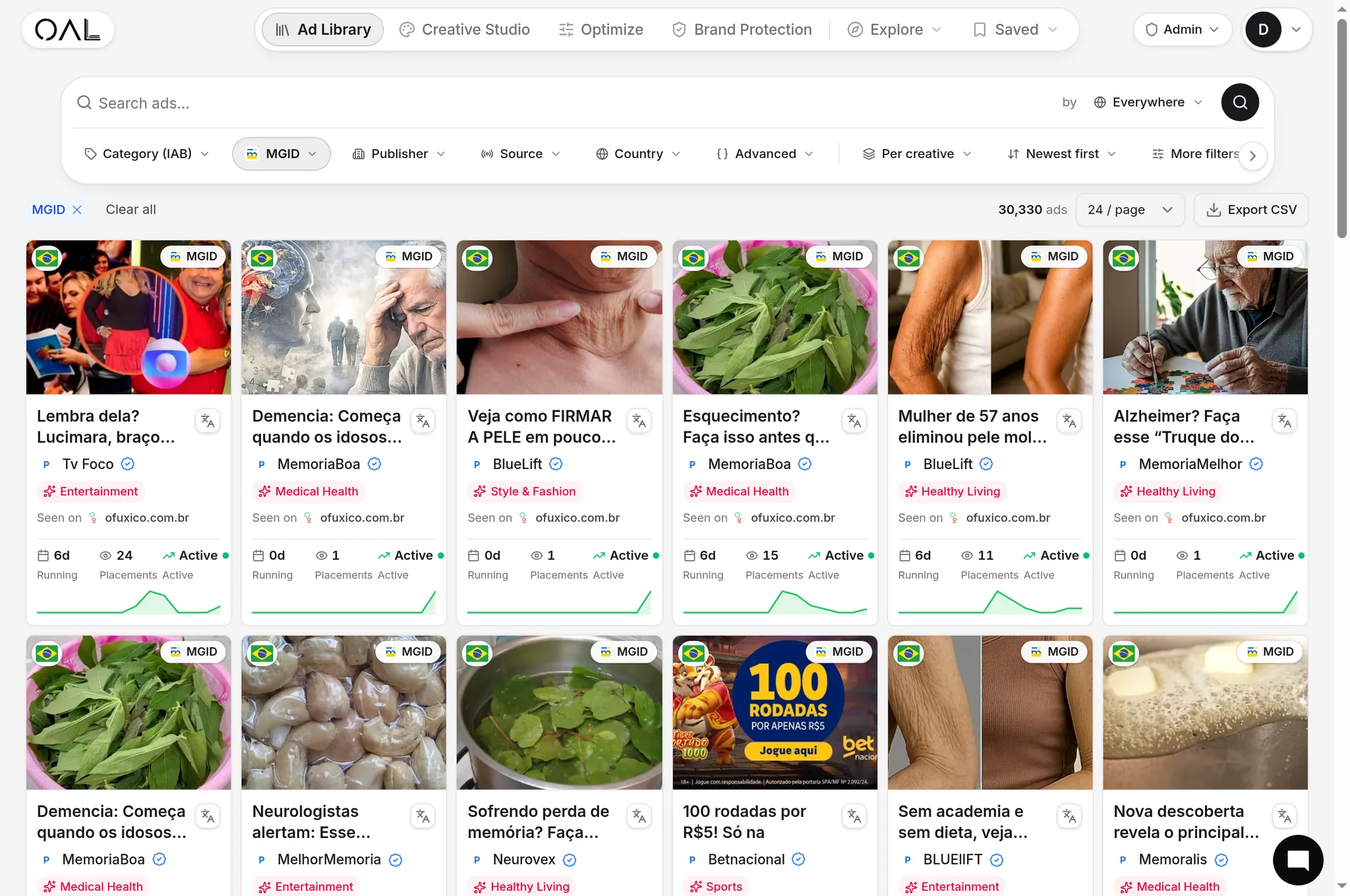
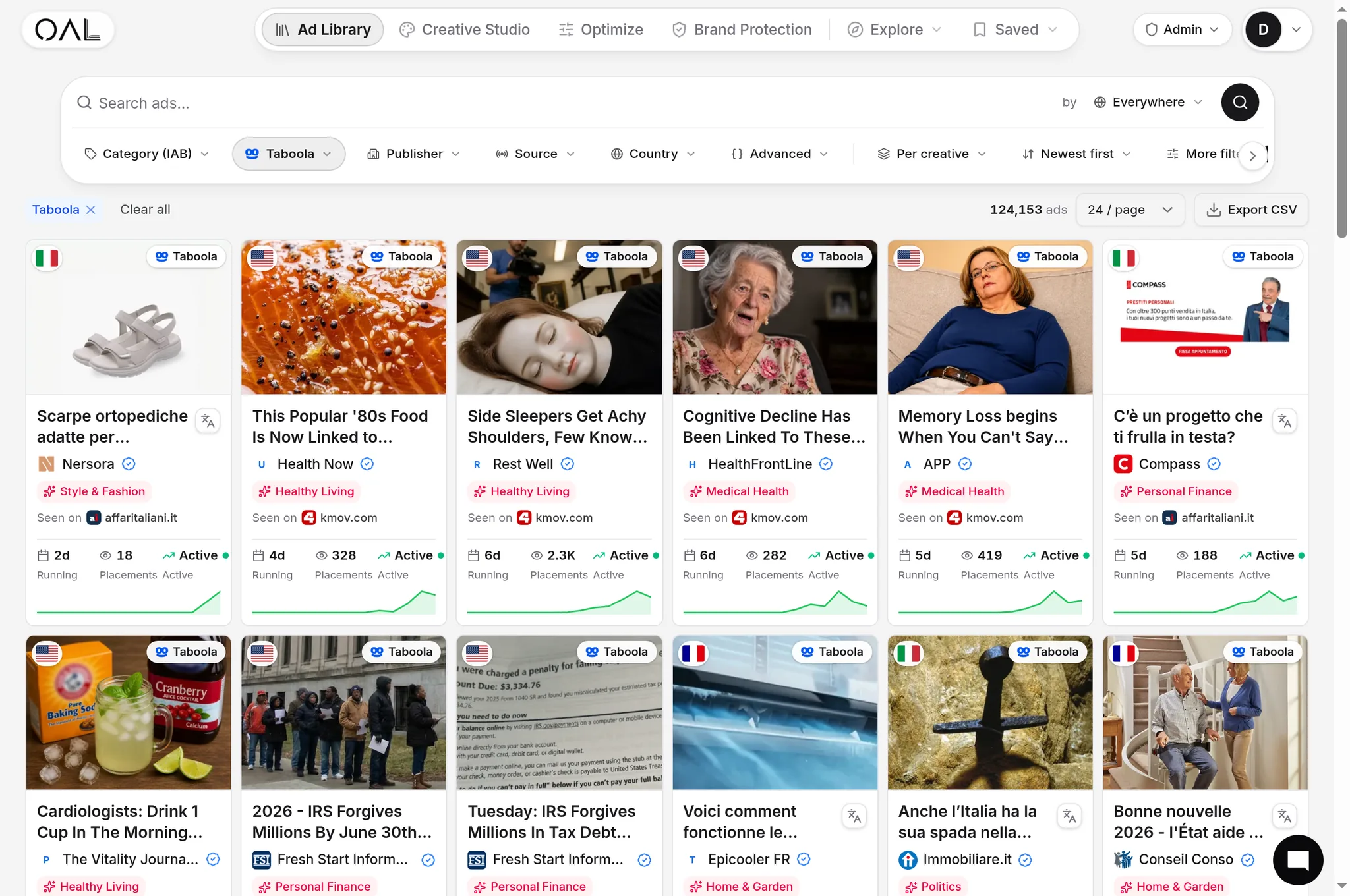
Đây chính xác là điều OpenAdLibrary được xây dựng để làm. Nó chụp lại các quảng cáo native trực tiếp công khai trên Taboola, Outbrain/Teads, MGID, Revcontent, Yahoo, MSN và hơn thế nữa, lưu trữ sáng tạo thực ở chất lượng đầy đủ, và, mà không bao giờ nhấp vào một quảng cáo trực tiếp, truy vết từng nhấp chuột đến landing page hoặc pre-lander của nhà quảng cáo.
Một người chiến thắng đã được chứng minh trông như thế nào? Đây là một quảng cáo thiết bị trợ thính từ Nebroo mà chúng tôi đã theo dõi chạy liên tục 26 ngày trên Taboola tại thời điểm chụp. Không ai trả tiền cho cùng một vị trí đặt quảng cáo trong gần một tháng trừ khi phép tính có lãi:

Một lưu ý nhanh về trung thực liên quan đến số ngày đếm. Chỉ mục của chúng tôi hiện bao phủ lên đến khoảng 28 ngày quan sát liên tục cho mỗi sáng tạo, vì vậy các quảng cáo chạy lâu nhất mà chúng tôi có thể xác nhận nằm ở mốc 28 ngày. Câu chuyện dân gian về affiliate cổ điển về "người chiến thắng 90 ngày" là trí tuệ chung của ngành, không phải điều chúng tôi đã đo lường. Hãy coi hai điều này riêng biệt: quan sát 28 ngày của chúng tôi là dữ liệu; quy tắc 90 ngày là truyền thuyết dân gian tình cờ chỉ cùng một hướng.
Ngay cả trong khoảng thời gian 28 ngày đó, mô hình rất rõ ràng. Các quảng cáo chạy lâu nhất chúng tôi đang theo dõi bị chi phối bởi các funnel quiz và tạo lead. Riêng "My IQ" đã có nhiều sáng tạo kiểm tra IQ nằm ở mốc đầy đủ 28 ngày trên Microsoft Audience Network. "Try next-gen hearing aids" của Hidden Hearing đạt 28 ngày. "Ask a Pro: How Can I Avoid Paying Taxes on IRA Withdrawals?" của SmartAsset đạt 28 ngày trên Outbrain. Khi cùng một góc độ tiếp tục tồn tại lâu nhất, đó là thị trường đang nói với bạn funnel nào kiếm được tiền.

Ba điều trong dữ liệu trực tiếp thông báo cho ngân sách của bạn:
- Thời gian chạy dài và phạm vi. Một sáng tạo đã chạy trong nhiều tuần trên nhiều nhà xuất bản hầu như chắc chắn có lợi nhuận. Điều đó cho bạn biết CPC và kinh tế funnel trong lĩnh vực đó hoạt động, điều này giảm thiểu rủi ro cho việc lập kế hoạch giá thầu của chính bạn. Các quảng cáo tồn tại ngắn ngày là các bài kiểm tra có lẽ đã thất bại. Đừng mô hình hóa ngân sách của bạn dựa trên chúng.
- Nhà quảng cáo thực sự đằng sau mỗi quảng cáo. Quảng cáo native định tuyến qua các lớp trung gian quảng cáo native lập trình và các vị trí đặt widget quảng cáo native. OpenAdLibrary phân loại chuỗi cung ứng và hiển thị nhà quảng cáo thực tế, để bạn biết mình đang cạnh tranh với ai để giành khoảng không gian quảng cáo.
- Toàn bộ funnel. Truy vết nhấp chuột tiết lộ landing page và cấu trúc pre-lander mà các nhà quảng cáo hàng đầu sử dụng, phần quyết định liệu CPC của bạn có biến thành một chuyển đổi hay một lượt truy cập bị thoát.
Sử dụng theo cách này, một công cụ spy quảng cáo native biến "tôi nên lập ngân sách bao nhiêu?" từ một phỏng đoán thành một ước tính dựa trên bằng chứng. Bạn có thể xác nhận một lĩnh vực đang hoạt động, xem những người chiến thắng duy trì chi tiêu trong bao lâu, và đảo ngược kỹ thuật sự kết hợp sáng tạo-và-landing-page trước khi mạo hiểm một xu.
Nhà cửa và năng lượng mặt trời là một danh mục trực tiếp khác đáng theo dõi. Đây là một quảng cáo góc độ trợ cấp mà chúng tôi đã theo dõi trong 27 ngày trên Taboola:

Tổng hợp lại: một ngân sách tháng đầu tiên mẫu#
Giả sử bạn đang thử nghiệm một offer tạo lead duy nhất và muốn một kế hoạch có thể bảo vệ được thay vì một phỏng đoán mù quáng.
- Nghiên cứu trước (miễn phí). Dành vài giờ xác nhận lĩnh vực của bạn đang hoạt động và xác định 5 đến 10 sáng tạo của đối thủ chạy lâu dài cùng landing page của họ. Chi phí: $0.
- Chọn một mạng lưới. Nếu ngân sách eo hẹp, MGID hoặc Revcontent giúp bạn có dữ liệu rẻ hơn. Nếu bạn muốn traffic có ý định cao hơn ngay từ ngày đầu tiên, hãy bắt đầu trên Taboola hoặc Teads. Xem MGID vs Taboola: Mạng Lưới Native Nào Thắng Cho Ngân Sách Của Bạn? để đưa ra quyết định đó.
- Cấp vốn đúng cách. Gửi $100 của bạn, nhưng hãy lên kế hoạch xung quanh một ngân sách thử nghiệm $3,000 với khoảng $150 đến $200/ngày.
- Giữ nguyên các thay đổi. Chạy 5 đến 8 sáng tạo, kháng cự việc chỉnh sửa trong vài ngày đầu, và để thuật toán thu thập tín hiệu trước khi bạn đánh giá bất cứ điều gì.
- Đọc phán quyết dựa trên CPA, không phải CPC. Một lượt nhấp chuột $0.25 không bao giờ chuyển đổi thì đắt hơn một lượt nhấp chuột $0.70 có chuyển đổi.
Một tháng đầu tiên thực tế, trung thực trên một offer duy nhất do đó có chi phí $3,000 đến $5,000 để có được một câu trả lời rõ ràng. Không phải $50 như màn hình tiền gửi ngụ ý, và không phải $50,000 mà một số agency báo giá. Các mạng lưới làm cho mức sàn trông thấp. Thuật toán làm cho mức sàn thực sự cao hơn nhiều.
Nếu bạn không muốn học điều đó một cách khó khăn, Bắt đầu miễn phí: duyệt các quảng cáo native trực tiếp mà không cần thẻ, xác nhận lĩnh vực của bạn đang hoạt động, và xem những người chiến thắng đã chi tiêu trong bao lâu trước khi bạn lập ngân sách một đô la.