Ad Cloaking: How It Works and How Auditable Evidence Exposes It
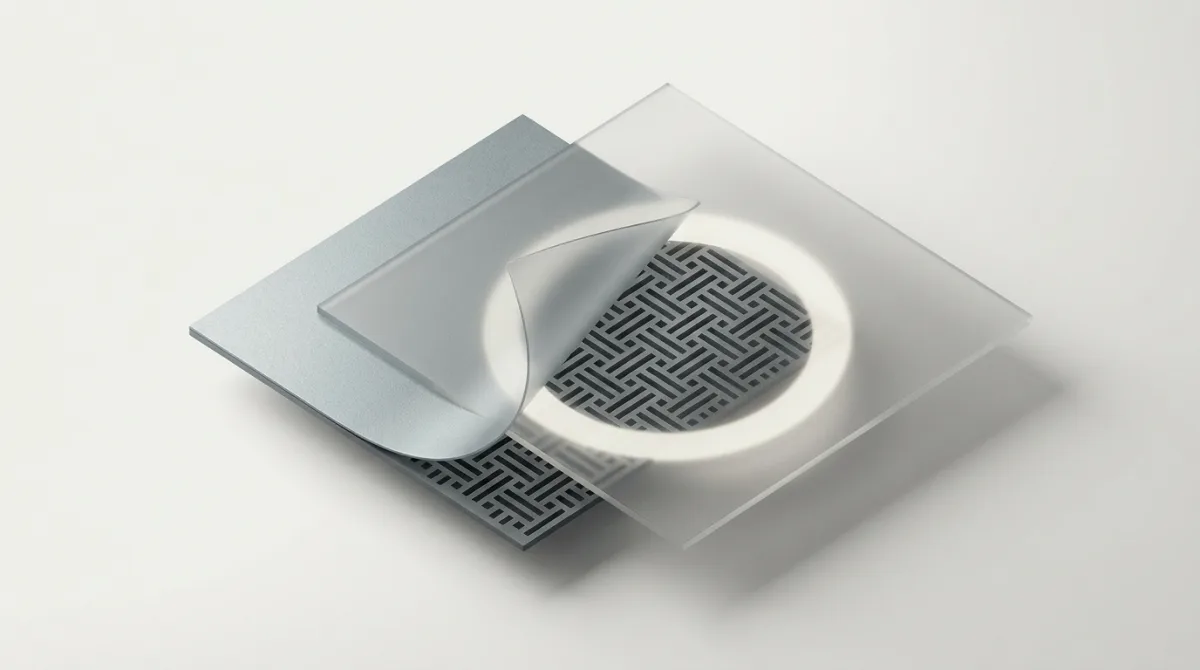
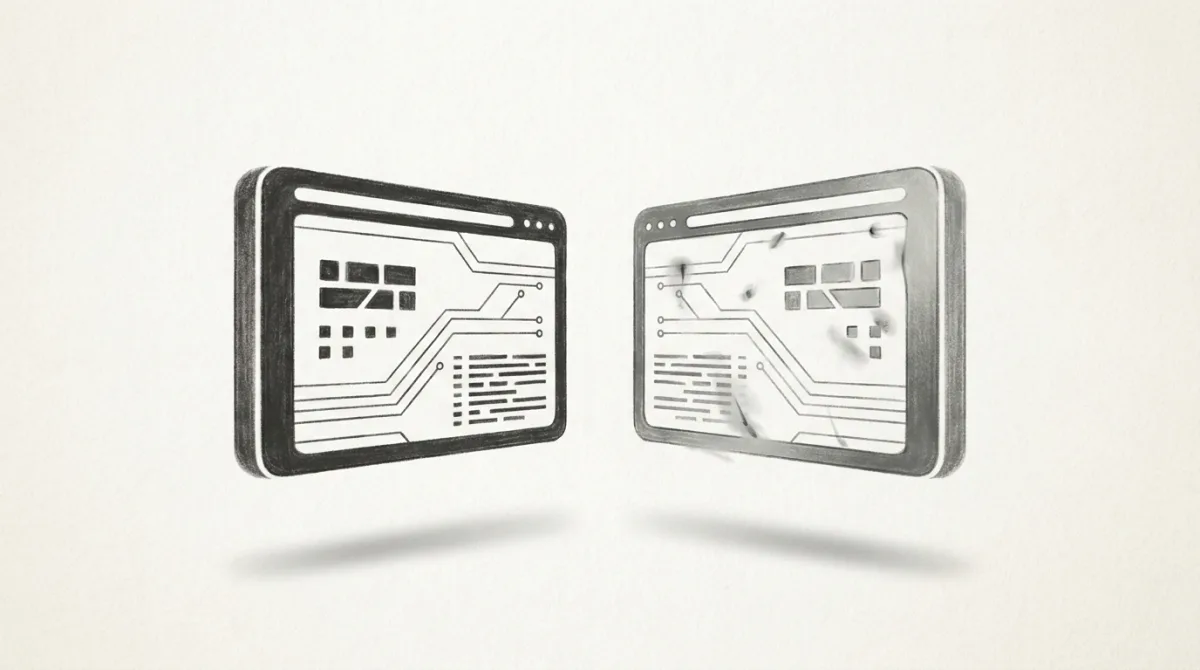
Cloaking shows ad reviewers a clean page while real users land somewhere else, and only residential-grade click-trace evidence proves the two versions exist.

Cloaking shows ad reviewers a clean page while real users land somewhere else, and only residential-grade click-trace evidence proves the two versions exist.

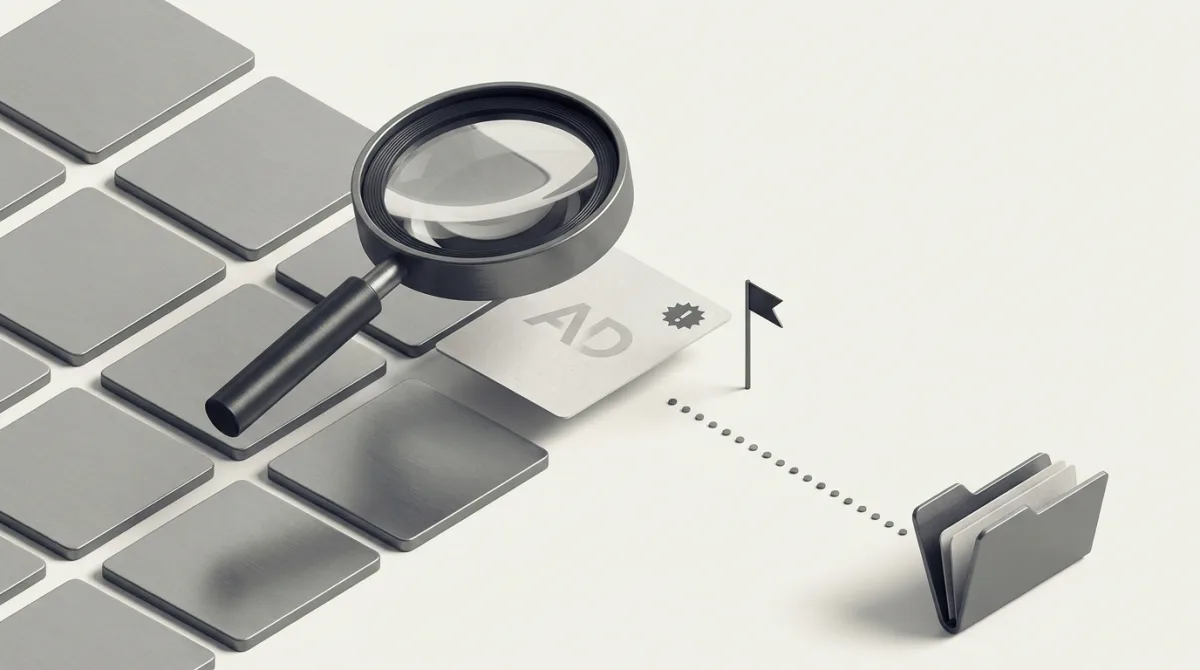
Reporting a scam ad rarely fails on intent, it fails on evidence, so here is the workflow that actually moves networks and regulators: what to capture, where to send it, and how to preserve the ad and its landing page before they disappear.

Trademark abuse rarely hides in the ad copy; it hides in the creative, the real advertiser behind the reseller name, and the landing page after the click, so here is how brand teams capture evidence that survives a takedown or a legal review.

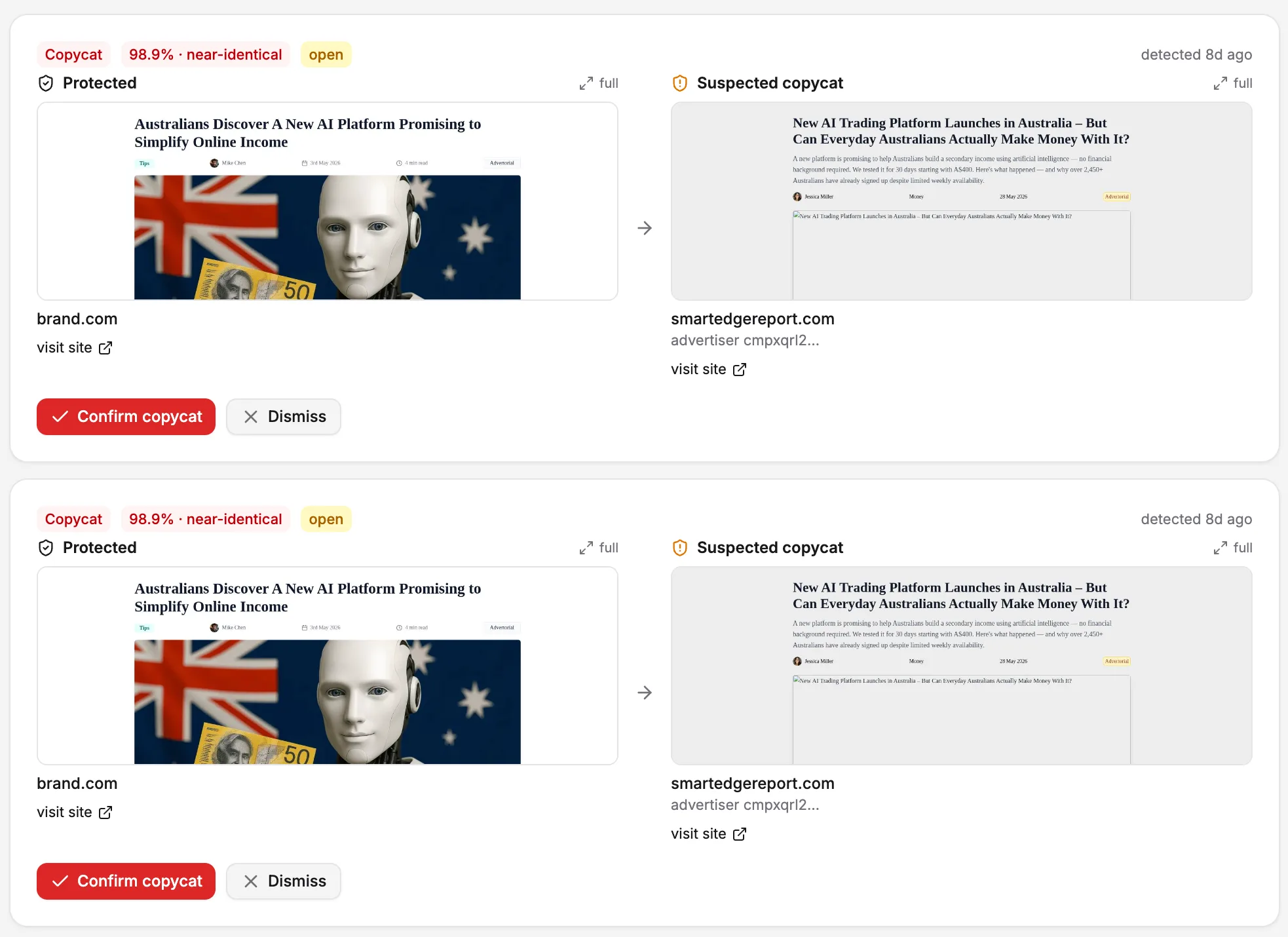
Copycat landing pages borrow a trusted brand's logo and tone to launder a scam through native-ad networks, and here is the practitioner's method for catching them with evidence anyone can verify.

Native ad networks are where brand impersonation, copycat landing pages, and cloaked offers thrive, because the creative blends into the article and the real advertiser hides behind redirect chains; here is how to monitor, detect, document, and escalate brand abuse with evidence that holds up.

A copycat landing page mimics a legitimate brand's website to capture conversions, payments, or data by impersonating a trusted company.

Brand protection in advertising is the practice of defending a brand against impersonation, trademark misuse, cloaked ads, and copycat campaigns.