English
 Español
 Português (Brasil)
 Français
 Deutsch
 Italiano
 Nederlands
 Polski
 Svenska
 Türkçe
 Русский
 日本語
日本語 한국어
한국어 简体中文
简体中文 Bahasa Indonesia
 繁體中文
繁體中文 Čeština
 Dansk
Dansk Norsk (bokmål)
 Suomi
Suomi Ελληνικά
 Română
 Magyar
 Українська
 ไทย
ไทย हिन्दी
 العربية
 עברית
עבריתGiải Mã Ngược Quy Trình Chạy Quảng Cáo Native Của Đối Thủ (Từ Creative Đến Landing Page)
Một quảng cáo native chỉ là cánh cửa; đây là cách đi hết toàn bộ chuỗi phía sau nó, từ creative, qua SSP, click tracker, pre-lander đến offer page, và đọc hiểu từng mắt xích tiết lộ chiến lược của đối thủ.

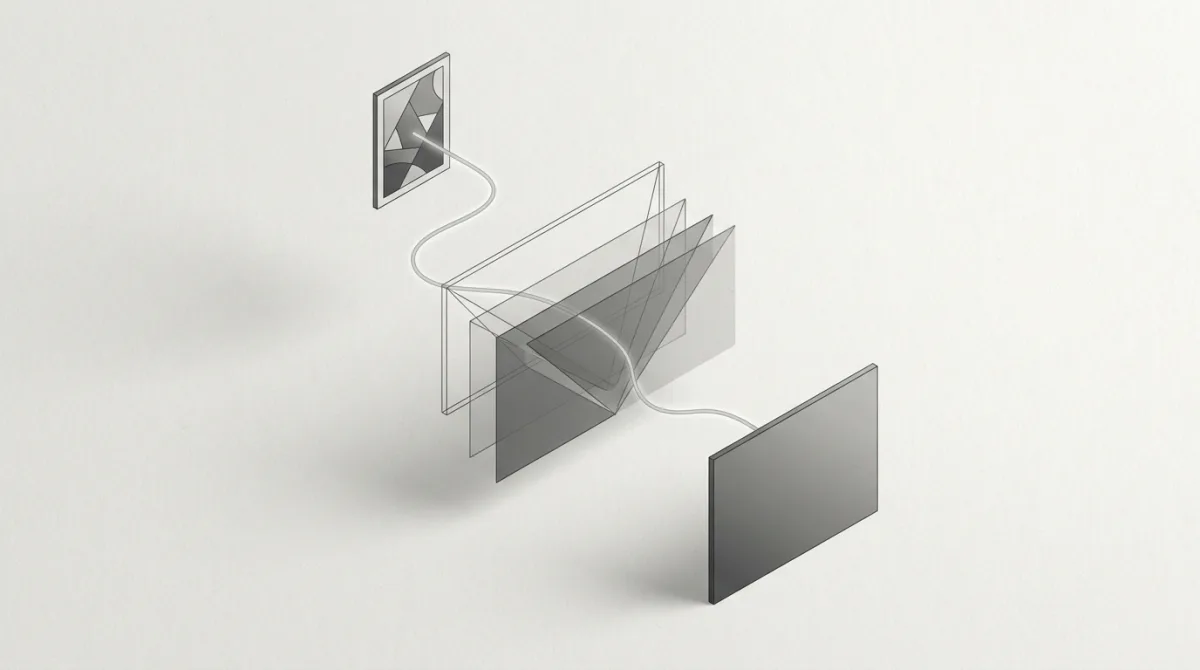
Một quảng cáo native không phải là chiến lược. Nó là cánh cửa. Chiến lược nằm trong chuỗi phía sau cánh cửa đó: đường cung cấp mà lượt hiển thị đi qua, click tracker định tuyến khách truy cập, pre-lander làm ấm họ lên, và offer page thực hiện việc chốt sale. Chụp ảnh màn hình creative và bạn chỉ mới nghiên cứu bìa sách và bỏ qua nội dung bên trong.
Hướng dẫn này sẽ đi qua toàn bộ chuỗi. Bạn lấy một đơn vị native (một tiêu đề Taboola, một hình thu nhỏ Outbrain, một thẻ MGID) và phân tách nó từng mắt xích một cho đến khi bạn hiểu không chỉ đối thủ đang chạy gì mà cả cách toàn bộ quy trình chạy quảng cáo được kết nối để chuyển đổi. Đó là sự khác biệt giữa những người sao chép tiêu đề và thua cuộc, và những người giải mã ngược quy trình chạy quảng cáo và chiến thắng. Nó nằm sâu hơn một mức so với quy trình làm việc spy quảng cáo đối thủ chung chung, và là phần mà hầu hết các công cụ lặng lẽ bỏ qua.
Về quy mô: trên toàn bộ chỉ mục OpenAdLibrary (tháng 6 năm 2026) chúng tôi đã thu thập được 589,036 creative native từ 25,933 nhà quảng cáo trên 42 mạng lưới, và giải quyết được 926,259 lượt chụp landing-page phía sau chúng. Con số cuối cùng mới là con số quan trọng ở đây. Hầu như không có công cụ nào khác giữ lại trang phía sau lượt click.
Giải mã ngược một quy trình chạy quảng cáo native thực sự có nghĩa là gì#
Giải mã ngược một quy trình chạy quảng cáo native có nghĩa là truy vết một quảng cáo ngược và xuôi theo toàn bộ chuỗi phân phối của nó: creative và tiêu đề, mạng lưới phục vụ nó, lượt chuyển hướng click-tracking định tuyến lượt click, và landing page (thường là một pre-lander, sau đó là một offer page) mà nhà quảng cáo gửi traffic đến. Mục tiêu là khôi phục lại toàn bộ đường dẫn chuyển đổi của đối thủ, không chỉ quảng cáo họ cho bạn thấy.
Hầu hết các nhà tiếp thị dừng lại ở mắt xích đầu tiên vì hầu hết các công cụ dừng lại ở đó. Chuỗi có năm mắt xích, và mỗi mắt xích trả lời một câu hỏi khác nhau.
| Mắt xích trong chuỗi | Nó là gì | Nó cho bạn biết điều gì |
|---|---|---|
| Creative + tiêu đề | Hình ảnh và nội dung mà người dùng nhìn thấy | Góc tiếp cận, mồi nhử, đối tượng mục tiêu |
| Native widget / SSP | Native ad widget và đường cung cấp | Họ mua trên mạng lưới và publisher nào |
| Click tracker | URL chuyển hướng (ví dụ: tham số click tblci hoặc của Outbrain) |
Nhà quảng cáo thực sự, trình theo dõi, thiết lập attribution |
| Pre-lander / bridge page | Bài viết quảng cáo hoặc trắc nghiệm giữa quảng cáo và offer | Logic thuyết phục và tư thế tuân thủ |
| Offer / landing page | Trang chuyển đổi cuối cùng | Sản phẩm, mức giá và lời kêu gọi hành động |
Creative cho bạn biết đối thủ đang nói gì. Landing page cho bạn biết họ đang bán gì. Chuỗi ở giữa cho bạn biết họ kết nối hai thứ đó như thế nào. Bỏ qua phần giữa và bạn chỉ đang giải mã ngược một khẩu hiệu.
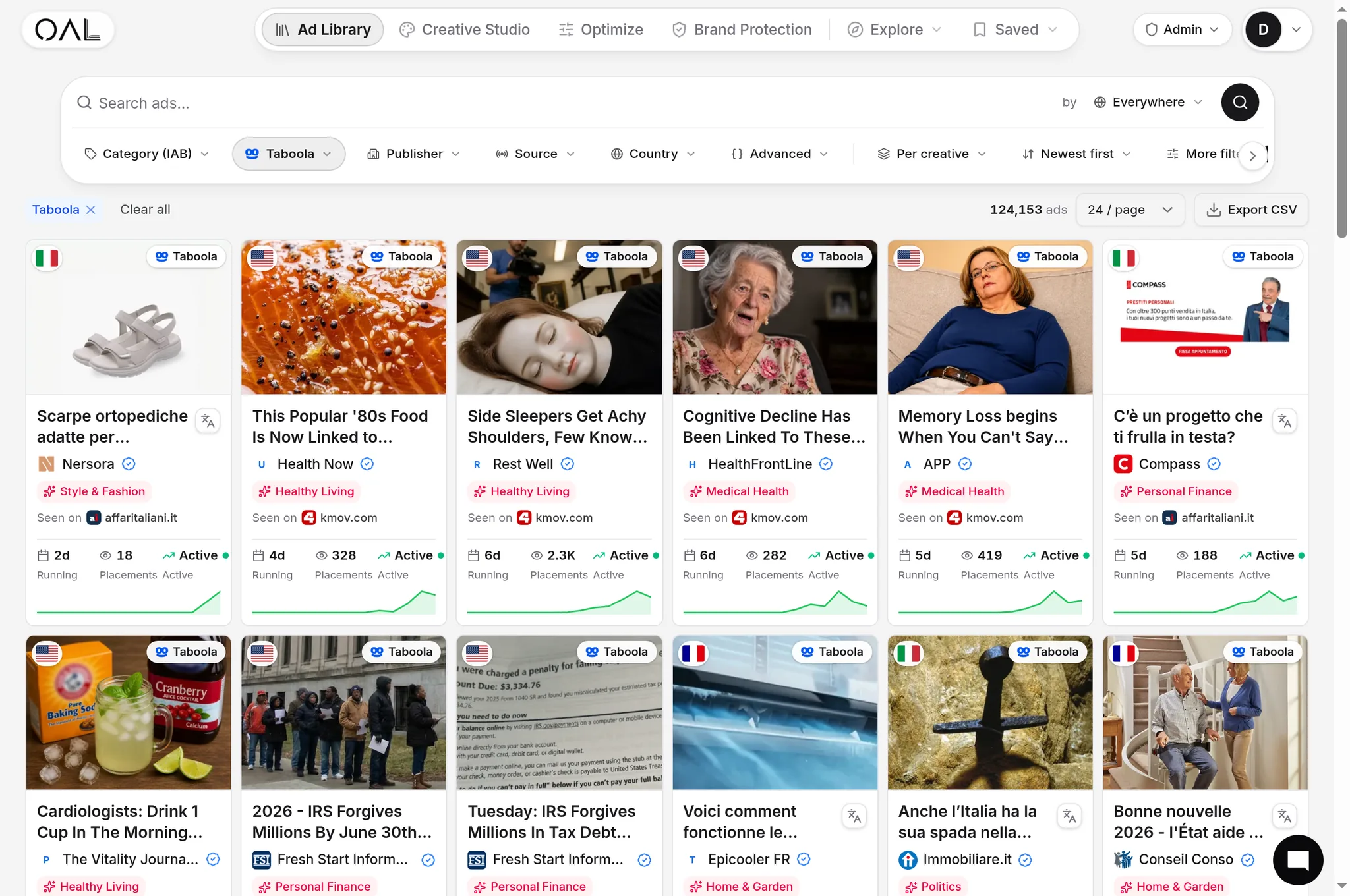
Đây là hình ảnh một creative thực tế đã được thu thập ở đầu một trong những chuỗi này. Lưu ý cấu trúc tiêu đề: một con số đô la, thời hạn chót, một mồi nhử về "sự tha thứ". Mỗi từ đều đang thực hiện một nhiệm vụ.

Tại sao native khó truy vết hơn Meta, và tại sao đó lại là cơ hội#
Bất kỳ ai cũng có thể mở Thư viện Quảng cáo của Meta và xem các creative mạng xã hội của một thương hiệu. Sự minh bạch đó là một mặt hàng phổ thông. Mọi người đều có cùng một góc nhìn. Quảng cáo native thì ngược lại. Không có một thư viện công khai duy nhất cho Taboola, Outbrain, MGID, Revcontent, Teads, hoặc MSN. Các quảng cáo bị phân tán trên hàng nghìn trang publisher, được phục vụ theo chương trình, và điểm đến bị chôn vùi sau các lượt chuyển hướng.
Độ mờ đục đó chính xác là lý do tại sao các quy trình chạy quảng cáo native duy trì lợi nhuận lâu hơn, và chính xác là lý do tại sao công việc này mang lại lợi ích. Một thứ càng khó nhìn thấy, thì lợi thế càng lớn khi nhìn thấy nó một cách rõ ràng. Điểm khó: hai mắt xích khó khôi phục nhất, click tracker và landing page, là hai thứ mà các công cụ spy chỉ tập trung vào Meta không thể hiển thị cho bạn đối với khoảng không quảng cáo native. Họ lập chỉ mục hình ảnh quảng cáo. Họ không theo dõi lượt click.
Đây là khoảng trống định nghĩa phần còn lại của hướng dẫn. Một nền tảng được xây dựng đặc biệt cho native, như OpenAdLibrary, thu thập đơn vị công khai đang chạy, theo dõi lượt click trong môi trường được kiểm soát và lưu trữ landing page đã được giải quyết như bằng chứng, mà không bao giờ click vào quảng cáo đang chạy theo cách gây tốn kém cho nhà quảng cáo hoặc đánh dấu bạn. Chuỗi đầu-cuối được lưu trữ đó là sự khác biệt giữa việc đoán một quy trình chạy quảng cáo và kiểm toán nó.
Bước 1: Thu thập creative như bằng chứng, không phải ký ức#
Bắt đầu với đơn vị quảng cáo, nhưng hãy thu thập nó một cách đúng đắn. Một bản ghi phân tích thực tế bao gồm:
- Hình ảnh creative chất lượng đầy đủ, không phải hình thu nhỏ bị nén lại thành nhão
- Tiêu đề chính xác và bất kỳ văn bản mô tả nào
- Publisher và vị trí đặt quảng cáo nơi nó xuất hiện
- Mạng lưới đã phục vụ nó
- Ngày đầu tiên và cuối cùng thấy
Cặp cuối cùng là dữ liệu bị đánh giá thấp nhất trong native. Các nhà quảng cáo cắt bỏ các quy trình chạy quảng cáo thua lỗ rất nhanh, vì vậy một creative đã hoạt động và không thay đổi trong nhiều tuần đang phát tín hiệu rằng nó có lợi nhuận. Chỉ mục của chúng tôi hiện trải dài đến khoảng 28 ngày quan sát liên tục cho mỗi creative, và những quảng cáo đạt đến ngưỡng đó tự thân đã là một danh sách theo dõi hữu ích. Một ví dụ duy trì ở mức 28 ngày là một quảng cáo tài chính SmartAsset trên Outbrain ("Ask a Pro: How Can I Avoid Paying Taxes on IRA Withdrawals?"), và một ví dụ khác là quảng cáo máy trợ thính Hidden Hearing trên Microsoft Audience Network. Khi một thương hiệu giữ nguyên cùng một chuỗi hoạt động lâu như vậy, họ không còn đang thử nghiệm nữa. Họ đã tìm thấy một chiến thắng.
Một lưu ý nhanh về sự trung thực, vì sự khác biệt quan trọng: con số ~28 ngày đó là những gì chúng tôi đã quan sát được, không phải một quy luật ngành. Bạn vẫn sẽ nghe các media buyer nói về "những chiến thắng 90 ngày" như một quy tắc ngón tay cái. Hãy coi đó là kiến thức chung, không phải dữ liệu của chúng tôi. Những gì chúng tôi có thể cho bạn thấy là thời gian chạy quan sát được trên một quy trình chạy quảng cáo cụ thể, đó mới là con số bạn thực sự nên hành động.
Đối với phần khám phá (tìm ra đối thủ thậm chí đang chạy những quảng cáo nào), hãy kết hợp điều này với hướng dẫn từng bước để tìm quảng cáo của đối thủ.
Bước 2: Xác định đường cung cấp, ai đã phục vụ quảng cáo này và ở đâu#
Mắt xích tiếp theo là tập hợp mạng lưới và publisher. Một nhà quảng cáo duy nhất chạy cùng một creative trên hàng chục native widget trên các publisher khác nhau, và mức độ lan tỏa cho bạn biết họ tự tin đến mức nào. Một vị trí đặt quảng cáo là một bài kiểm tra. Cùng một quy trình chạy quảng cáo trên bốn mươi publisher và năm khu vực địa lý là một chiến thắng đã được mở rộng quy mô.
Những gì cần ghi lại ở bước này:
- Mạng lưới: Taboola, Outbrain, MGID, Revcontent, Yahoo/MediaGo, MSN, Teads
- Publishers: những trang web nào mang widget
- Khu vực địa lý: những quốc gia nào mà đơn vị quảng cáo phục vụ
- Tỷ lệ chia thiết bị: nhiều quy trình chạy quảng cáo native được thiết kế chỉ dành cho mobile hoặc chỉ desktop
Quy mô nghiêng hẳn về hai mạng lưới. Trong chỉ mục của chúng tôi, Taboola chiếm 157,727 creative đã thu thập và Outbrain chiếm 84,252, đó là lý do tại sao hầu hết các phân tích bạn thực hiện sẽ bắt đầu trên một trong hai mạng lưới đó. Sự kết hợp theo phân khúc thị trường cũng rất có ý nghĩa. Tài chính dẫn đầu mọi thứ với 17,232 creative, tiếp theo là Bảo hiểm (15,629) và Sức khỏe (14,895). Nếu bạn mua quảng cáo trong những không gian đó, bạn đang chiến đấu để giành sự chú ý chống lại những góc tiếp cận được khai thác nhiều nhất trên web mở.
Đây là hình ảnh áp lực tài chính và bảo hiểm đó trông như thế nào ở một vị trí đặt quảng cáo thực tế. Đây là một đơn vị bảo hiểm nhân thọ Úc chạy trên Taboola, loại quảng cáo thu thập lead được nhắm mục tiêu theo địa lý lấp đầy danh mục Bảo hiểm:

Đây là nơi một công cụ spy quảng cáo native có cấu trúc thể hiện giá trị của nó. Thay vì duyệt qua các trang publisher với hy vọng bắt gặp một widget, bạn truy vấn theo nhà quảng cáo, mạng lưới hoặc góc tiếp cận và xem toàn bộ dấu chân cùng một lúc. Cơ chế thu thập từng mạng lưới và những đặc điểm riêng của chúng được đề cập trong hướng dẫn chuyên sâu về spy quảng cáo native của đối thủ trên Taboola, Outbrain và MGID.
Bước 3: Theo dõi lượt click, liên kết tiết lộ nhà quảng cáo thực sự#
Đây là nơi hầu hết các nghiên cứu chết yểu và nơi tình báo thực sự bắt đầu.
Khi người dùng click vào một quảng cáo native, họ không đi thẳng đến nhà quảng cáo. Họ đi qua một click tracker. Trên Taboola, URL đích mang một mã định danh click tblci mã hóa cả người dùng và tài khoản nhà quảng cáo. Outbrain sử dụng tham số click riêng của nó. Các quy trình chạy quảng cáo affiliate thường xếp chồng một trình theo dõi của bên thứ ba (Voluum, RedTrack, Binom) lên trên đó. "Thương hiệu" hiển thị trên widget thường chỉ là một nhãn nội dung chung chung hoặc publisher, không phải doanh nghiệp thực sự đang trả tiền cho traffic.
Bạn có thể thấy điều này trong chính dữ liệu đã thu thập. Hãy nhìn vào các tên thương hiệu được đính kèm với các đơn vị này: "Consumer World," "Vital Guardian," "The Vitality Report," "Fresh Start Information." Đó không phải là các công ty đang bán cho bạn bất cứ thứ gì. Chúng là những nhãn theo phong cách nội dung được chọn để trông giống như tên tác giả của một publisher. Nhà quảng cáo thực sự nằm ở cuối chuỗi chuyển hướng, trong các tham số tracker và tên miền landing-page mà bạn giải quyết được.

Đây cũng là bước nguy hiểm nhất để thực hiện thủ công. Việc click vào một quảng cáo native đang chạy:
- Tốn tiền của nhà quảng cáo (bạn vừa tiêu CPC của họ)
- Có thể làm nhiễu dữ liệu phân tích và attribution của họ
- Có thể đánh dấu IP hoặc dấu vết thiết bị của bạn là đối thủ
- Thường hiển thị cho bạn một trang bị che giấu hoặc không khớp địa lý, không phải những gì khách hàng tiềm năng thực sự của họ nhìn thấy
Cách tiếp cận chuyên nghiệp là không bao giờ tự kích hoạt lượt click đang chạy. Dựa vào một hệ thống đã theo dõi lượt click trong môi trường được kiểm soát, nhận biết địa lý và lưu trữ điểm đến đã được giải quyết, bước nhảy tracker và URL cuối cùng, như một bản ghi bạn đọc sau sự kiện. Đó là cốt lõi của tính năng click-trace của OpenAdLibrary, và đó là lý do tại sao 926,259 lượt chụp landing được lưu trữ đó tồn tại: mỗi lượt là một lượt click mà ai đó đã theo dõi trong môi trường được kiểm soát để bạn không phải chạm vào đơn vị đang chạy. Đó là khả năng duy nhất biến "Tôi đã thấy quảng cáo của họ" thành "Tôi có thể quy chiếu quảng cáo của họ về đúng nhà quảng cáo và trình theo dõi đứng sau nó."
Bước 4: Đọc pre-lander, nơi việc thuyết phục thực sự diễn ra#
Lượt chuyển hướng hiếm khi dẫn thẳng đến offer. Trong native, nó dẫn đến một pre-lander, còn được gọi là bridge page. Đây là bài viết quảng cáo (advertorial), bài trắc nghiệm, câu chuyện "Tôi đã thử điều này trong 30 ngày", danh sách xếp hạng năm sản phẩm. Pre-lander làm một việc: biến một lượt click native lạnh lẽo, được thúc đẩy bởi sự tò mò thành một khách truy cập ấm áp, có đầy ý định trước khi giao họ cho offer.
Đây là trang có giá trị nhất trong quy trình chạy quảng cáo để giải mã ngược, vì nó mang kiến trúc thuyết phục thực tế của đối thủ. Khi bạn phân tích một trang, hãy ghi lại:
- Góc tiếp cận: nỗi sợ sức khỏe, lo lắng tài chính, trước/sau, sự chứng thực của chuyên gia, khoảng trống tò mò
- Định dạng: bài viết quảng cáo, trắc nghiệm hoặc khảo sát, danh sách, video sales letter, câu chuyện kiểu tin tức
- Các yếu tố chứng minh: lời chứng thực, phần bình luận (thật hoặc giả), logo "được thấy trên", tuyên bố dữ liệu
- Tư thế tuân thủ: tuyên bố miễn trừ trách nhiệm, "kết quả không điển hình", nhãn quảng cáo (cho bạn biết phân khúc thị trường đó hung hăng đến mức nào)
- Cơ chế CTA: trang đẩy đến offer như thế nào và khi nào (bộ đếm thời gian, nút kích hoạt khi cuộn, cổng kết quả trắc nghiệm)
Tiêu đề trên creative thường báo hiệu trước góc tiếp cận của pre-lander ngay cả trước khi bạn giải quyết trang. Hãy lấy ví dụ này, một mồi nhử sức khỏe khoảng trống tò mò cổ điển về "món ăn nhẹ buổi tối phổ biến". Pre-lander đằng sau nó gần như chắc chắn là một bài viết quảng cáo nhỏ giọt câu trả lời để giữ bạn cuộn trang:

Một pre-lander đã chạy không thay đổi trong nhiều tuần là một tài sản đã được kiểm tra, tối ưu hóa. Bạn đang nhìn vào đầu ra của ngân sách split-testing của người khác. Cấu trúc, không phải nội dung sao chép nguyên văn, là thứ bạn nên điều chỉnh.
Bước 5: Giải quyết offer page và đóng vòng lặp#
Mắt xích cuối cùng là offer page: biểu mẫu đặt hàng, biểu mẫu thu thập lead, trang thanh toán, danh sách trên cửa hàng ứng dụng. Landing page này cho bạn biết thực tế thương mại cụ thể, sản phẩm, mức giá, bảo hành, đường dẫn upsell nếu bạn có thể nhìn thấy nó. Kết hợp với pre-lander, giờ bạn đã có toàn bộ chuỗi:
Creative đến SSP/publisher đến click tracker đến pre-lander đến offer page.
Giờ bạn có thể trả lời những câu hỏi thúc đẩy quyết định mua hàng của chính mình. Đây là sản phẩm giá cao hay giá thấp? Thu thập lead hay bán hàng trực tiếp? Biên lợi nhuận nằm ở front end hay một upsell? Góc tiếp cận có đủ tuân thủ để chạy trên cùng các mạng lưới không? Và câu hỏi lớn: quy trình chạy quảng cáo này là mới, hay nó đã âm thầm kiếm tiền trong một tháng trong khi bạn không để ý?
Một lưu ý về đạo đức và chiến lược. Giải mã ngược một quy trình chạy quảng cáo có nghĩa là học hỏi cấu trúc và logic của nó, không phải sao chép nguyên trang của nó. Một bản sao nguyên bản là một copycat landing page, một rủi ro pháp lý, một rủi ro thương hiệu và thường là một trang có hiệu suất tệ hơn vì nó không mang bất kỳ định vị nào của riêng bạn. Sử dụng bản phân tích để hiểu tại sao quy trình chạy quảng cáo hoạt động, sau đó xây dựng một phiên bản mạnh hơn. Nghiên cứu các quảng cáo công khai và các trang công khai mà chúng trỏ đến là nghiên cứu tiêu chuẩn, hợp pháp. Các quy định như Đạo luật Dịch vụ Kỹ thuật số của EU đã thúc đẩy toàn bộ ngành công nghiệp hướng tới việc công khai quảng cáo nhiều hơn, chứ không phải ít đi.
Biến một bản phân tích thành một hệ thống có thể lặp lại#
Một bản phân tích quy trình chạy quảng cáo duy nhất là hữu ích. Một hệ thống phân tích có thể lặp lại là một hào nước bảo vệ. Quy trình làm việc tạo ra hiệu ứng cộng dồn trông như thế này:
- Xây dựng danh sách theo dõi các nhà quảng cáo và góc tiếp cận trong phân khúc thị trường của bạn, để các quy trình chạy quảng cáo mới xuất hiện tự động thay vì nhờ may mắn. (Bắt đầu với hướng dẫn danh sách theo dõi đối thủ.)
- Phân tích mọi chiến thắng mới ngay khi thời gian chạy dài xác nhận nó, toàn bộ chuỗi, được ghi lại trong một mẫu nhất quán.
- Theo dõi các thay đổi. Khi một đối thủ thay thế một pre-lander, thay đổi giá offer hoặc mở rộng sang một khu vực địa lý mới, sự thay đổi đó là một tín hiệu đáng để hành động.
- Đưa phát hiện vào hành động. Bài kiểm tra creative tiếp theo của bạn, góc tiếp cận tiếp theo của bạn, lần xây dựng landing-page tiếp theo của bạn.
Vòng lặp đó (thu thập, truy vết, ghi lại, hành động) là trái tim của một quy trình làm việc tình báo quảng cáo cạnh tranh trưởng thành, và nó hoạt động tốt nhất theo nhịp độ hàng tuần thay vì một cuộc chạy đua vội vã một lần. Nếu bạn chạy các chiến dịch mua quảng cáo để kiếm sống, hãy chính thức hóa nó thành một thói quen nghiên cứu hàng tuần để thông tin tình báo luôn mới mẻ và không có gì có lợi nhuận lọt qua bạn.
Điểm mấu chốt#
Giải mã ngược quy trình chạy quảng cáo native của đối thủ không phải là về việc đánh cắp một tiêu đề. Nó là về việc khôi phục toàn bộ chuỗi có thể kiểm chứng từ creative đến tiền: đường cung cấp, click tracker tiết lộ nhà quảng cáo thực sự, pre-lander thực hiện việc thuyết phục, và offer page chốt sale. Sau đó đọc hiểu những gì mỗi mắt xích nói với bạn về một chiến lược mà bạn không thể nhìn thấy bằng cách nào khác. Creative là công khai. Quy trình chạy quảng cáo phía sau nó là nơi lợi thế tồn tại.
Lý do việc này khó chính là lý do nó đáng để làm. Native che giấu điểm đến của nó sau các lượt chuyển hướng, và các công cụ mà hầu hết mọi người sử dụng không bao giờ theo dõi lượt click. Một nền tảng thu thập quảng cáo native đang chạy, theo dõi lượt click trong môi trường được kiểm soát và lưu trữ bằng chứng landing-page trao cho bạn hai mắt xích mà không công cụ nào chỉ tập trung vào Meta có thể: nhà quảng cáo thực sự, và trang thực sự mà khách hàng tiềm năng của họ nhìn thấy.
Bắt đầu miễn phí và truy vết quy trình chạy quảng cáo đầu tiên của đối thủ từ đầu đến cuối. Duyệt qua 200 quảng cáo native đang chạy mà không cần thẻ, sau đó theo dõi lượt click đến landing page phía sau bất kỳ quảng cáo nào trong số chúng.