English
 Español
 Português (Brasil)
 Français
 Deutsch
 Italiano
 Polski
 Svenska
 Türkçe
 Русский
 日本語
日本語 한국어
한국어 简体中文
简体中文 Tiếng Việt
 Bahasa Indonesia
 繁體中文
繁體中文 Čeština
 Dansk
Dansk Norsk (bokmål)
 Suomi
Suomi Ελληνικά
 Română
 Magyar
 Українська
 ไทย
ไทย हिन्दी
 العربية
 עברית
עבריתReverse-Engineer de Native Ad Funnel van een Concurrent (Van Creative tot Landingspagina)
Een native ad is slechts de deuropening; hier lees je hoe je de volledige keten erachter kunt volgen, van creative tot SSP, via click tracker en pre-lander naar de offerpagina, en wat elke schakel onthult over de strategie van een concurrent.

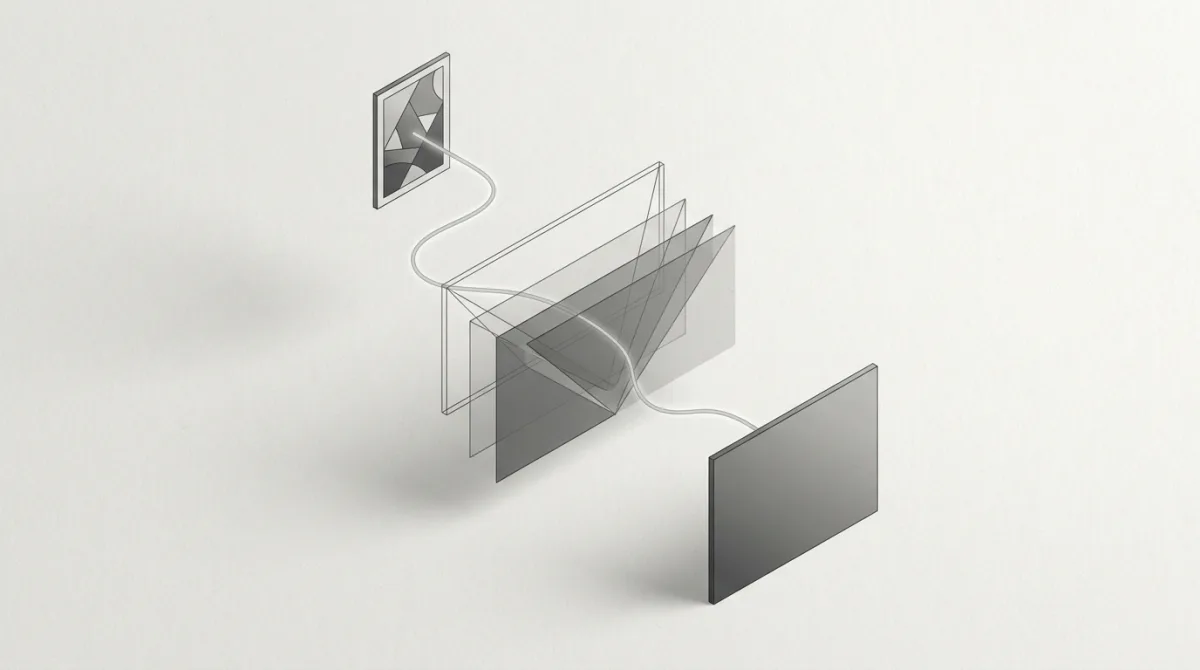
Een native ad is niet de strategie. Het is de deuropening. De strategie leeft in de keten achter die deuropening: het supply path dat de impressie aflegt, de click tracker die de bezoeker routeert, de pre-lander die hem opwarmt, en de offerpagina die de verkoop sluit. Maak een screenshot van de creative en je hebt de omslag bestudeerd en het boek overgeslagen.
Deze gids loopt de volledige keten door. Je neemt één native unit (een Taboola headline, een Outbrain thumbnail, een MGID card) en haalt deze schakel voor schakel uit elkaar tot je begrijpt niet alleen wat een concurrent draait, maar hoe de hele funnel is bedraad om te converteren. Dat is het verschil tussen mensen die headlines kopiëren en verliezen, en mensen die funnels reverse-engineeren en winnen. Het zit één niveau dieper dan een algemene workflow voor concurrentie-ad-spionage, en het is het deel dat de meeste tools stilletjes overslaan.
Voor schaal: in de OpenAdLibrary-index (juni 2026) hebben we 589.036 native creatives vastgelegd van 25.933 adverteerders op 42 netwerken, en hebben we 926.259 landingspagina-captures erachter opgelost. Dat laatste getal is degene die hier telt. Bijna geen enkele andere tool bewaart de pagina achter de klik.
Wat het echt betekent om een native ad funnel te reverse-engineeren#
Een native ad funnel reverse-engineeren betekent één ad traceren, zowel achterwaarts als voorwaarts, door zijn volledige leveringsketen: de creative en headline, het netwerk dat hem serveerde, de click-tracking redirect die de klik routeert, en de landingspagina (meestal een pre-lander, dan een offerpagina) waar de adverteerder traffic naartoe stuurt. Het doel is de complete conversiepad van de concurrent te achterhalen, niet alleen de ad die hij je toonde.
De meeste marketeers stoppen bij de eerste schakel omdat de meeste tools daar stoppen. De keten heeft vijf schakels, en elke schakel beantwoordt een andere vraag.
| Schakel in de keten | Wat het is | Wat het je vertelt |
|---|---|---|
| Creative + headline | De afbeelding en copy die de gebruiker ziet | De invalshoek, de hook, het publiek |
| Native widget / SSP | De native ad widget en supply path | Welk netwerk en welke uitgevers ze kopen |
| Click tracker | De redirect URL (bijv. een tblci of Outbrain click parameter) |
De echte adverteerder, de tracker, de attributie-instelling |
| Pre-lander / bridge page | Het advertorial of de quiz tussen ad en offer | De overtuigingslogica en compliance-houding |
| Offer / landingspagina | De uiteindelijke conversiepagina | Het product, de prijs en de call to action |
De creative vertelt je wat een concurrent zegt. De landingspagina vertelt je wat hij verkoopt. De keten daartussen vertelt je hoe hij de twee verbindt. Sla het middenstuk over en je reverse-engineert een slogan.
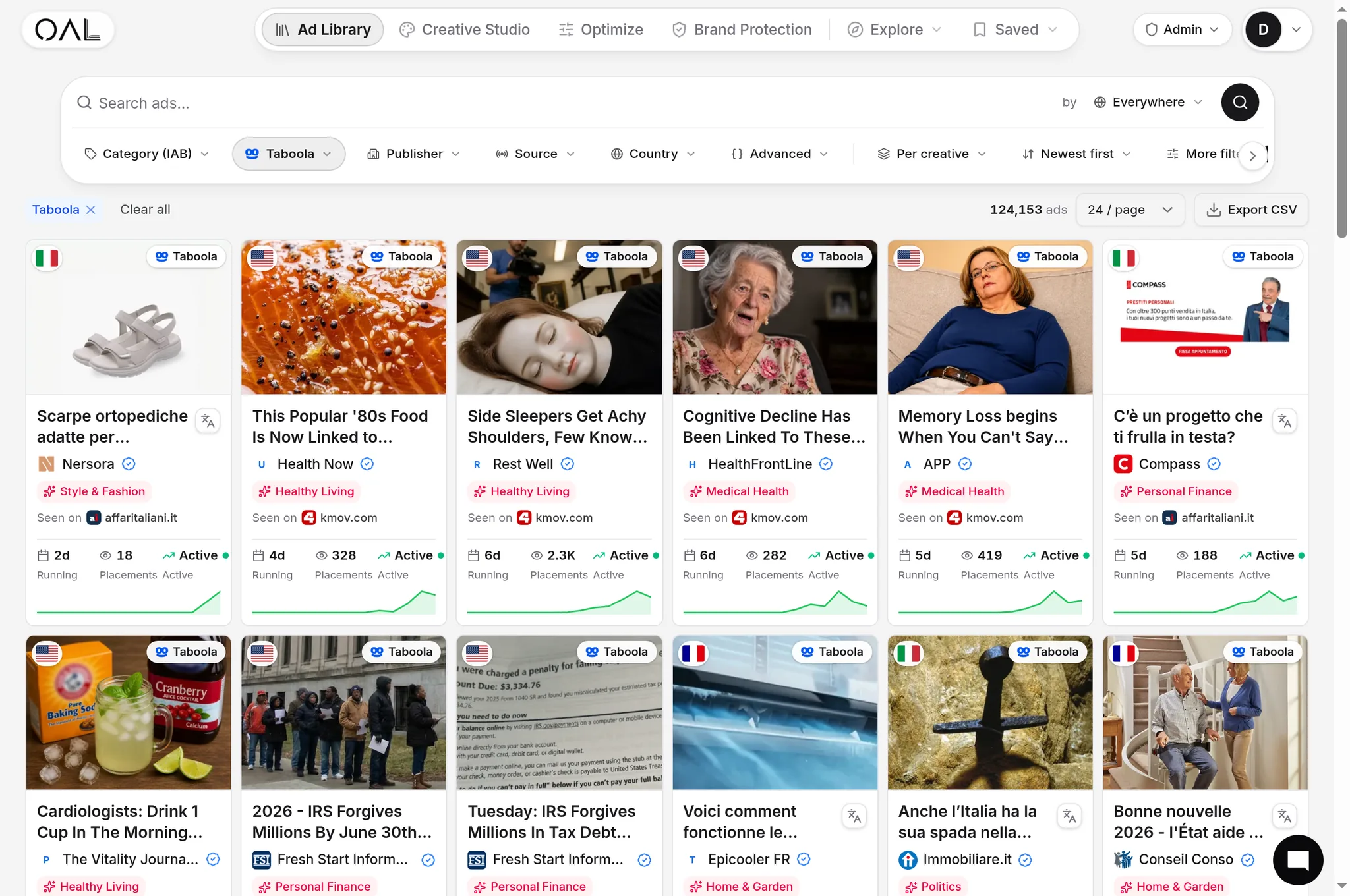
Zo ziet een echte vastgelegde creative eruit aan het begin van zo'n keten. Let op de headline-constructie: een dollarbedrag, een deadline, een "vergeving"-hook. Elk woord heeft een functie.

Waarom native moeilijker te traceren is dan Meta, en waarom dat de kans is#
Iedereen kan Meta's Ad Library openen en de sociale creatives van een merk zien. Die transparantie is een commodity. Iedereen heeft dezelfde view. Native advertising is het tegenovergestelde. Er is geen enkele openbare bibliotheek voor Taboola, Outbrain, MGID, Revcontent, Teads of MSN. De ads zijn verspreid over duizenden uitgeverspagina's, programmatisch geserveerd, en de bestemming is verborgen achter redirects.
Die ondoorzichtigheid is precies waarom native funnels langer winstgevend blijven, en precies waarom dit werk loont. Hoe moeilijker iets te zien is, hoe meer voordeel er is in het duidelijk zien. De valkuil: de twee moeilijkste schakels om te achterhalen, de click tracker en de landingspagina, zijn de twee die Meta-only spy tools je niet kunnen tonen voor native inventory. Ze indexeren ad-afbeeldingen. Ze volgen de klik niet.
Dit is de kloof die de rest van de gids bepaalt. Een platform specifiek gebouwd voor native, zoals OpenAdLibrary, legt de live publieke unit vast, volgt de klik in een gecontroleerde omgeving, en slaat de opgeloste landingspagina op als bewijs, zonder ooit op de live ad te klikken op een manier die de adverteerder kost of jou markeert. Die opgeslagen, end-to-end keten is het verschil tussen gissen naar een funnel en deze controleren.
Stap 1: Leg de creative vast als bewijs, niet als herinnering#
Begin met de unit, maar leg hem correct vast. Een echte teardown-record bevat:
- De volledige kwaliteit creative afbeelding, niet een thumbnail die tot moes is gecomprimeerd
- De exacte headline en eventuele beschrijvingstekst
- De uitgever en plaatsing waar hij verscheen
- Het netwerk dat hem serveerde
- De first-seen en last-seen datums
Dat laatste paar is de meest onderschatte data in native. Adverteerders stoppen snel met verliezende funnels, dus een creative die wekenlang live en ongewijzigd is, maakt duidelijk dat hij winstgevend is. Onze index beslaat momenteel tot ongeveer 28 dagen ononderbroken observatie per creative, en de ads die deze limiet bereiken vormen op zichzelf een nuttige watchlist. Een voorbeeld dat 28 dagen standhoudt is een SmartAsset finance ad op Outbrain ("Ask a Pro: How Can I Avoid Paying Taxes on IRA Withdrawals?"), en een ander is een Hidden Hearing hoortoestel-ad op het Microsoft Audience Network. Wanneer een merk dezelfde keten zo lang live houdt, is hij niet meer aan het testen. Hij heeft een winnaar gevonden.
Een snelle eerlijkheidsnotitie, omdat het verschil ertoe doet: dat ~28-dagen cijfer is wat we hebben waargenomen, geen industrie-wet. Je zult mediabuyers nog steeds horen praten over "90-day winners" als een vuistregel. Beschouw dat als algemene overlevering, niet als onze data. Wat we je kunnen tonen is de waargenomen looptijd op een specifieke funnel, en dat is het getal waarop je daadwerkelijk moet acteren.
Voor de ontdekkinghelft hiervan (vinden welke ads een rivaal überhaupt draait), combineer dit met de stapsgewijze gids voor het vinden van concurrentie-ads.
Stap 2: Identificeer het supply path, wie dit serveerde en waar#
De volgende schakel is het netwerk en de uitgeversset. Een enkele adverteerder draait dezelfde creative op tientallen native widgets op verschillende uitgevers, en de spreiding vertelt je hoe zeker hij is. Eén plaatsing is een test. Dezelfde funnel op veertig uitgevers en vijf landen is een opgeschaalde winnaar.
Wat je in deze stap moet vastleggen:
- Netwerk: Taboola, Outbrain, MGID, Revcontent, Yahoo/MediaGo, MSN, Teads
- Uitgevers: op welke sites de widget staat
- Landen: in welke landen de unit wordt geserveerd
- Device split: veel native funnels zijn mobiel-only of desktop-only by design
De schaal leunt zwaar op twee netwerken. In onze index is Taboola goed voor 157.727 vastgelegde creatives en Outbrain voor 84.252, daarom beginnen de meeste teardowns die je doet op een van deze twee. De verticale mix is net zo veelzeggend. Finance leidt alles met 17.232 creatives, gevolgd door Insurance (15.629) en Health (14.895). Als je in deze ruimtes koopt, vecht je om aandacht tegen de meest intensief bewerkte invalshoeken op het open web.
Zo ziet die druk in finance en insurance eruit als een echte plaatsing. Dit is een Australische levensverzekerings-unit die draait op Taboola, het soort geo-targeted lead-gen ad dat de Insurance-categorie vult:

Dit is waar een gestructureerde native ad spy tool zijn waarde bewijst. In plaats van uitgeverssites te doorzoeken in de hoop een widget te spotten, query je op adverteerder, netwerk of invalshoek en zie je de volledige footprint in één keer. De mechanica van het vastleggen per netwerk, en hun eigenaardigheden, worden behandeld in de speciale gids over spioneren op Taboola, Outbrain en MGID.
Stap 3: Volg de klik, de link die de echte adverteerder onthult#
Hier sterft het meeste onderzoek en begint de echte intelligentie.
Wanneer een gebruiker op een native ad klikt, gaat hij niet rechtstreeks naar de adverteerder. Hij passeert een click tracker. Op Taboola bevat de bestemmings-URL een tblci click identifier die zowel de gebruiker als het adverteerderaccount codeert. Outbrain gebruikt zijn eigen click parameter. Affiliate-funnels stapelen vaak een third-party tracker (Voluum, RedTrack, Binom) daar bovenop. Het zichtbare "merk" op de widget is vaak slechts een generiek contentlabel of de uitgever, niet het bedrijf dat daadwerkelijk voor de traffic betaalt.
Je kunt dit zien in de vastgelegde data zelf. Kijk naar de merknamen die aan deze units zijn gekoppeld: "Consumer World," "Vital Guardian," "The Vitality Report," "Fresh Start Information." Dat zijn niet de bedrijven die je iets verkopen. Het zijn content-style labels gekozen om op een uitgeversbyline te lijken. De echte adverteerder zit aan het einde van de redirectketen, in de trackerparameters en het domein van de landingspagina waar je op uitkomt.

Dit is ook de gevaarlijkste stap om handmatig te doen. Klikken op een live native ad:
- Kost de adverteerder geld (je hebt zojuist zijn CPC uitgegeven)
- Kan zijn analytics en attributie vervuilen
- Kan je IP of fingerprint markeren als concurrent
- Toont je vaak een gecamoufleerde of geografisch niet-overeenkomende pagina, niet wat zijn echte prospects zien
De professionele aanpak is om nooit zelf de live klik te activeren. Vertrouw op een systeem dat de klik al in een gecontroleerde, geo-aware omgeving heeft gevolgd en de opgeloste bestemming, de tracker-hop en de finale URL heeft opgeslagen, als een record dat je achteraf leest. Dat is de kern van OpenAdLibrary's click-trace, en het is waarom die 926.259 opgeslagen landingspagina-captures bestaan: elk ervan is een klik die iemand in een gecontroleerde omgeving heeft gevolgd zodat jij de live unit niet hoeft te raken. Het is de enige capaciteit die "Ik zag hun ad" verandert in "Ik kan hun ad toeschrijven aan de exacte adverteerder en tracker erachter."
Stap 4: Lees de pre-lander, waar de overtuiging daadwerkelijk plaatsvindt#
De redirect landt zelden direct op de offer. In native landt hij op een pre-lander, ook wel een bridge page genoemd. Dit is het advertorial, de quiz, het "Ik heb dit 30 dagen geprobeerd"-verhaal, het lijstartikel dat vijf producten rangschikt. De pre-lander heeft één taak: een koude, door nieuwsgierigheid gedreven native klik omzetten in een warme, met intentie geladen bezoeker voordat hij wordt doorgegeven aan de offer.
Dit is de meest waardevolle pagina in de funnel om te reverse-engineeren, omdat hij de daadwerkelijke overtuigingsarchitectuur van de concurrent bevat. Wanneer je er een uit elkaar haalt, documenteer dan:
- De invalshoek: gezondheidsschrik, financiële angst, voor/na, autoriteitsendorsement, curiosity gap
- Het format: advertorial artikel, quiz of enquête, lijstartikel, video sales letter, nieuwsstijl verhaal
- De bewijselementen: testimonials, commentaarsecties (echt of nep), "as seen on" logo's, databeweringen
- De compliance-houding: disclaimers, "results not typical," advertorial labels (vertelt je hoe agressief de vertical is)
- De CTA-mechanica: hoe en wanneer de pagina naar de offer duwt (timer, scroll-geactiveerde knop, quiz-resultaat-gate)
De headline op de creative verraadt meestal de pre-lander-invalshoek voordat je de pagina zelfs maar hebt opgelost. Neem deze, een klassieke "common evening snack" curiosity-gap health hook. De pre-lander erachter is vrijwel zeker een advertorial dat het antwoord langzaam prijsgeeft om je te laten scrollen:

Een pre-lander die wekenlang ongewijzigd draait, is een getest, geoptimaliseerd asset. Je kijkt naar de output van iemand anders split-testing budget. De structuur, niet de letterlijke copy, is wat je aanpast.
Stap 5: Los de offerpagina op en sluit de cirkel#
De laatste schakel is de offerpagina: het bestelformulier, de lead capture, de checkout, de app-store listing. Deze landingspagina vertelt je de concrete commerciële realiteit, het product, de prijspunt, de garantie, het upsell-pad als je het kunt zien. Gecombineerd met de pre-lander heb je nu de complete keten:
Creative naar SSP/uitgever naar click tracker naar pre-lander naar offerpagina.
Nu kun je de vragen beantwoorden die je eigen koopbeslissingen sturen. Is dit high-ticket of low-ticket? Lead-gen of directe verkoop? Zit de marge in de front end of een upsell? Is de invalshoek compliant genoeg om op dezelfde netwerken te draaien? En de grote: is deze funnel nieuw, of heeft hij een maand lang stil geld gedrukt terwijl jij niet keek?
Een ethische en strategische notitie. Een funnel reverse-engineeren betekent de structuur en logica leren, niet de pagina's klonen. Een wholesale kopie is een copycat landingspagina, een juridisch risico, een merkrisico en meestal een slechtere performer omdat hij geen eigen positionering heeft. Gebruik de teardown om te begrijpen waarom de funnel werkt, en bouw dan een sterkere versie. Het bestuderen van publieke ads en de publieke pagina's waar ze naar verwijzen is standaard, legitiem onderzoek. Reguleringen zoals de Digital Services Act van de EU hebben de hele industrie juist geduwd richting meer openbare ad-disclosure, niet minder.
Een enkele teardown omzetten in een herhaalbaar systeem#
Een enkele funnel-teardown is nuttig. Een herhaalbaar teardown-systeem is een gracht. De workflow die compoundt ziet er zo uit:
- Bouw een watchlist van de adverteerders en invalshoeken in jouw verticale, zodat nieuwe funnels automatisch opduiken in plaats van door geluk. (Begin met de gids voor een concurrentie-watchlist.)
- Haal elke nieuwe winnaar uit elkaar zodra de looptijd hem bevestigt, volledige keten, gedocumenteerd in een consistent template.
- Volg de verschillen. Wanneer een concurrent een pre-lander vervangt, een offerprijs wijzigt of uitbreidt naar een nieuw land, is die verandering een signaal waarop je moet acteren.
- Voer bevindingen in actie. Je volgende creative test, je volgende invalshoek, je volgende landingspagina-build.
Die loop (vastleggen, traceren, documenteren, acteren) is het hart van een volwassen workflow voor competitieve ad-intelligentie, en hij werkt het beste op een wekelijkse cadans in plaats van een hectische eenmalige poging. Als je buys runt voor de kost, formaliseer het dan in een wekelijks onderzoeksritueel zodat de intelligentie vers blijft en niets winstgevends je ontglipt.
De bottom line#
De native funnel van een concurrent reverse-engineeren gaat niet over het stelen van een headline. Het gaat over het achterhalen van de volledige, controleerbare keten van creative tot cash: het supply path, de click tracker die de echte adverteerder onthult, de pre-lander die de overtuiging doet, en de offerpagina die de verkoop sluit. En dan lezen wat elke schakel je vertelt over een strategie die je op geen andere manier kunt zien. De creative is publiek. De funnel erachter is waar het voordeel leeft.
De reden dat dit moeilijk is, is de reden dat het de moeite waard is. Native verbergt zijn bestemmingen achter redirects, en de tools die de meeste mensen gebruiken volgen de klik nooit. Een platform dat live native ads vastlegt, de klik in een gecontroleerde omgeving volgt en het landingspagina-bewijs opslaat, geeft je de twee schakels die geen Meta-only tool kan: de echte adverteerder, en de echte pagina die zijn prospects zien.
Start gratis en traceer je eerste concurrentiefunnel van begin tot eind. Blader door 200 live native ads zonder kaart, en volg dan de klik naar de landingspagina erachter.