English
 Español
 Português (Brasil)
 Français
 Deutsch
 Italiano
 Nederlands
 Polski
 Svenska
 Türkçe
 Русский
 日本語
日本語 한국어
한국어 简体中文
简体中文 Bahasa Indonesia
 繁體中文
繁體中文 Čeština
 Dansk
Dansk Norsk (bokmål)
 Suomi
Suomi Ελληνικά
 Română
 Magyar
 Українська
 ไทย
ไทย हिन्दी
 العربية
 עברית
עבריתNhững Thương Hiệu DTC Nào Đang Chạy Quảng Cáo Native Ngay Bây Giờ
Các thương hiệu DTC âm thầm mua quảng cáo native bên cạnh nhóm arbitrage và nutra, và đây là một phương pháp có thể lặp lại, dựa trên dữ liệu để phát hiện những thương hiệu nào đang chạy trực tiếp trên Taboola, Outbrain, MGID và Revcontent trong tuần này, theo danh mục.


Nếu bạn bán hàng trực tiếp đến người tiêu dùng, kiến thức thông thường cho rằng quảng cáo native thuộc về người khác: các nhà xuất bản arbitrage, các advertorial "một mẹo lạ", các phễu thực phẩm chức năng. Một nửa là sự thật, một nửa là một cơ hội bị bỏ lỡ. Một lớp thương hiệu DTC thực sự mua quảng cáo native mỗi ngày, coi nó như một kênh khai thác khách hàng tiềm năng tiếp cận những đối tượng mà Meta và Google đã vắt kiệt. Điểm khó khăn là khả năng hiển thị. Một quảng cáo native biến mất khỏi trang vài giây sau khi nó hiển thị, và nhà quảng cáo thường ẩn sau một chuyển hướng theo dõi. Bạn không thể nghiên cứu những gì bạn không thể nhìn thấy.
Vì vậy, đây không phải là một "danh sách 50 thương hiệu hàng đầu" sẽ lỗi thời ngay khi được công bố. Đây là một phương pháp có thể lặp lại để phát hiện những nhà quảng cáo DTC nào đang chạy trực tiếp trên quảng cáo native ngay bây giờ, được tổ chức theo danh mục, cộng với cách đọc các tín hiệu phân biệt một nhà chi tiêu có quy mô thực sự với một bài kiểm tra một ngày. Tự chạy nó và bạn sẽ có một danh sách cập nhật đến tuần này, không phải quý trước.
Về quy mô, bộ dữ liệu đứng sau mọi con số ở đây là chỉ mục trực tiếp của OpenAdLibrary: 589,036 sáng tạo được chụp từ 25,933 nhà quảng cáo riêng biệt trên 42 mạng lưới, được hỗ trợ bởi 926,259 lần chụp trang đích và hơn 5.4 triệu quan sát quảng cáo riêng lẻ (Chỉ mục OpenAdLibrary, tháng 6 năm 2026). Đó là đống cỏ khô. Phương pháp là cách bạn rút những cây kim DTC ra khỏi nó.
"DTC trên native" thực sự có nghĩa là gì#
Một thương hiệu DTC chạy quảng cáo native là bất kỳ công ty trực tiếp đến người tiêu dùng nào mua các vị trí quảng cáo native (các đơn vị trong nguồn cấp dữ liệu, "được đề xuất cho bạn" bên dưới bài viết) để thúc đẩy việc khai thác khách hàng tiềm năng lần đầu tiên đến trang đích có thương hiệu của chính họ. Bạn xác định họ bằng cách chụp sáng tạo trực tiếp, xác định nhà quảng cáo thực sự đứng sau cú nhấp chuột, và xác nhận điểm đến là một trang sản phẩm có thương hiệu hoặc trang câu đố với tính năng thanh toán, không phải một chuỗi advertorial.
Mệnh đề cuối cùng thực hiện hầu hết công việc. Quảng cáo native đầy những sáng tạo trông giống DTC (hình ảnh sản phẩm sạch sẽ, hình ảnh lối sống, một dòng tagline tự tin) nhưng cú nhấp chuột thực sự dẫn đến một advertorial dài 2,000 từ chuyển hướng đến một trang ưu đãi chung chung. Một nhà quảng cáo DTC thực sự gửi bạn đến tên miền của chính họ, với thương hiệu của chính họ, giá cả của chính họ và một giỏ hàng. Theo dõi cú nhấp chuột là cách đáng tin cậy nhất để phân biệt hai loại này, và đó là bước mà hầu hết các quy trình làm việc "gián điệp" bỏ qua.
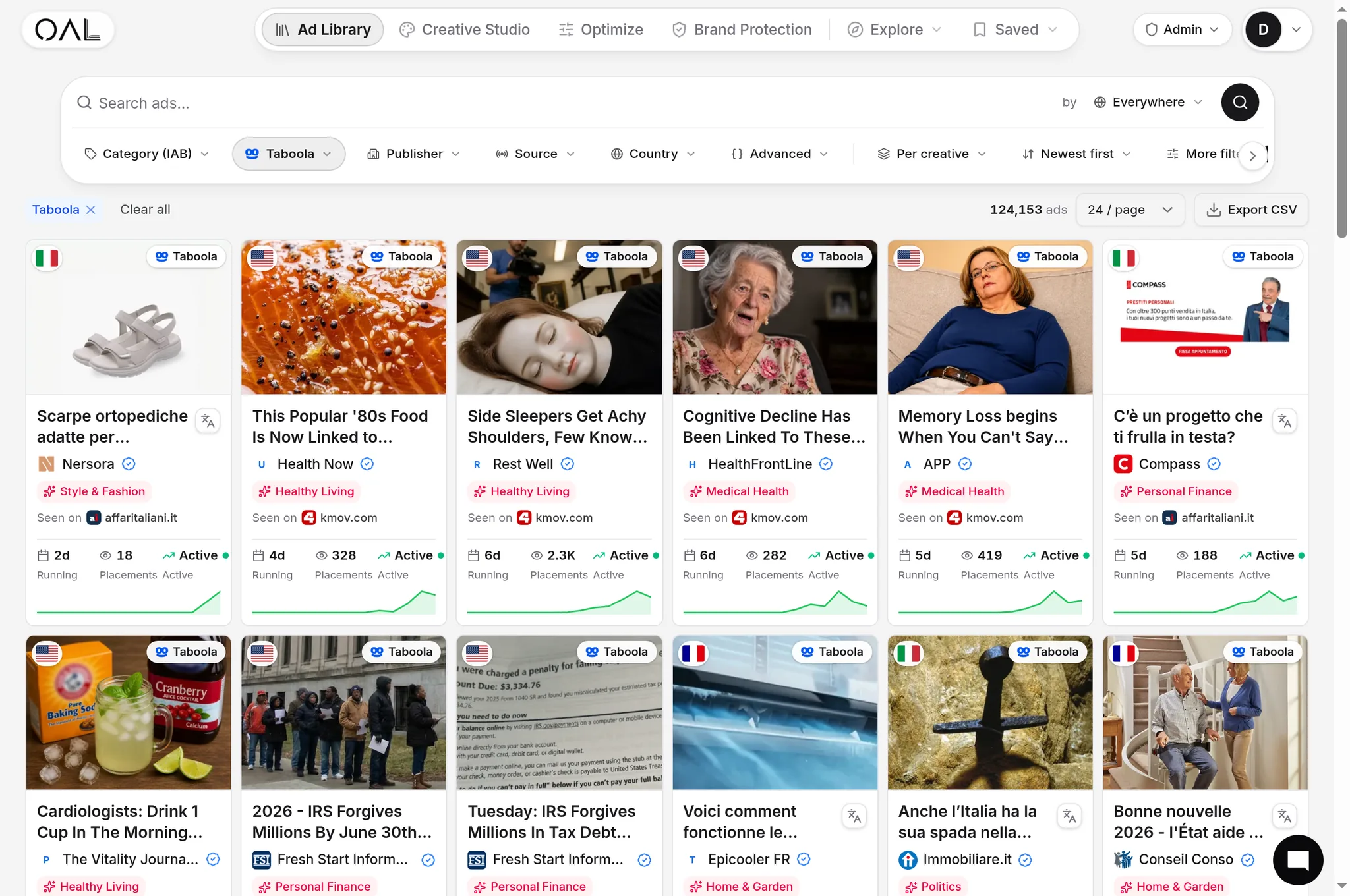
Đây là loại sáng tạo khiến mọi người nhầm lẫn. Nó đọc như một sản phẩm công nghệ, chụp ảnh như vậy, nhưng tiêu đề đang thực hiện công việc khơi gợi sự tò mò kinh điển của quảng cáo native:

Sáng tạo cho bạn biết cảm giác mà thương hiệu muốn bạn có. Trang đích cho bạn biết ai thực sự đang trả tiền. Chỉ thu thập các sáng tạo và bạn đang nghiên cứu một nửa phễu.
Tại sao các thương hiệu DTC lại chọn quảng cáo native#
Ba lý do cấu trúc giữ cho dòng tiền DTC chảy vào quảng cáo native, và mỗi lý do cho bạn biết nên mong đợi những danh mục nào.
Sự mệt mỏi của đối tượng trên mạng xã hội là lý do đầu tiên. Khi CAC trên Meta và TikTok tăng, quảng cáo native mở ra một cánh cửa khác: một đối tượng thường lớn tuổi hơn, có ý định cao hơn đang đọc nội dung của nhà xuất bản cao cấp. Tổng quan trụ cột về quảng cáo native năm 2026 theo dõi sự thay đổi đó trên thị trường rộng lớn hơn.
Bối cảnh biên tập là lý do thứ hai. Một tấm nệm, một bộ đồ dùng nhà bếp, hoặc một thực phẩm chức năng đọc có vẻ đáng tin cậy hơn khi đặt cạnh một bài viết về sức khỏe hoặc lối sống so với việc đặt giữa những bức ảnh nghỉ lễ của bạn bè. Định dạng widget quảng cáo native mượn sự tin tưởng của nhà xuất bản, và sự tin tưởng đó là phần lớn giá trị.
Quy mô ở phần đuôi dài là lý do thứ ba. Taboola và Outbrain đặt quảng cáo trên hàng chục nghìn trang web của nhà xuất bản, và kể từ năm 2024 Taboola cũng cung cấp năng lượng cho khoảng không gian quảng cáo native của Yahoo, vì vậy một chiến dịch đạt được khối lượng khó có thể sao chép ở nơi khác (Thông báo Taboola, Yahoo). Chỉ riêng hai mạng lưới đó đã chiếm lần lượt 157,727 và 84,252 sáng tạo trong chỉ mục của chúng tôi (OpenAdLibrary, tháng 6 năm 2026), đó là lý do tại sao một kế hoạch truyền thông DTC bỏ qua chúng đang bỏ lỡ phạm vi tiếp cận.
Các danh mục xuất phát từ những lý do đó là có thể dự đoán được: bất cứ thứ gì có câu chuyện về sức khỏe, tuổi thọ, sắc đẹp, tiện nghi gia đình, hoặc sự tự tin tài chính. Đó là nơi sự hiện diện của DTC dày đặc nhất.
Các danh mục nơi DTC xuất hiện trên quảng cáo native#
Hỗn hợp lĩnh vực dọc trong chỉ mục của chúng tôi phù hợp với lý thuyết. Trên tất cả 42 mạng lưới, Tài chính dẫn đầu với 17,232 sáng tạo, tiếp theo là Bảo hiểm (15,629), Sức khỏe (14,895), Thương mại điện tử (13,872), Nhà cửa & Vườn tược (7,707), và Thời trang (6,277) (OpenAdLibrary, tháng 6 năm 2026). Bên trong Taboola cụ thể, Sức khỏe (6,048), Tài chính (5,558), và Bảo hiểm (4,303) đứng đầu, với Thương mại điện tử và Nhà cửa & Vườn tược theo sát. Hãy đọc điều đó như một bản đồ: Sức khỏe, Thương mại điện tử, Nhà cửa & Vườn tược, và Thời trang là nơi các thương hiệu DTC ẩn mình giữa các ưu đãi hiệu suất.
Đây là các danh mục DTC bạn nên mong đợi tìm thấy trực tiếp, và hình dạng phễu của chúng thường trông như thế nào. Hãy coi các hình dạng phễu là minh họa cho danh mục, không phải một tuyên bố về chi tiêu hiện tại của bất kỳ nhà quảng cáo nào. Xác minh từng cái một trực tiếp trước khi bạn trích dẫn nó.
| Danh mục | Hình dạng phễu điển hình | Điều cần xác minh trong dữ liệu |
|---|---|---|
| Thực phẩm chức năng & sức khỏe (có thương hiệu) | Trang câu đố hoặc sản phẩm trên tên miền riêng | Nhãn hiệu thực, thương hiệu được đặt tên, tính năng thanh toán, không phải chuỗi advertorial |
| Nệm & giấc ngủ | Trang so sánh hoặc sản phẩm | Tên miền có thương hiệu, nhà quảng cáo nhất quán xuyên suốt các sáng tạo |
| Đồ dùng nhà bếp & gia đình | Trang sản phẩm hoặc gói sản phẩm | Khung giảm giá, nhịp độ theo mùa |
| Quần áo & phụ kiện | Bộ sưu tập hoặc PDP (Trang chi tiết sản phẩm) | Tốc độ làm mới sáng tạo, bản sao kiểu nhắm mục tiêu lại |
| Thức ăn & chăm sóc thú cưng | Câu đố đăng ký | Ngôn ngữ doanh thu định kỳ, góc độ bác sĩ thú y/thành phần |
| Chăm sóc răng miệng & cá nhân | Trang đăng ký hoặc hộp khởi đầu | Giá "hộp đầu tiên", sự kiềm chế trước/sau |
| Fintech & ứng dụng tiền tệ | Tải xuống ứng dụng hoặc đăng ký | Góc độ "tự tin", sự thận trọng với tuyên bố được quy định |
Danh mục tiện nghi gia đình là một ví dụ tốt về sự hỗn tạp của nguồn cung. Quảng cáo pin mặt trời này nằm trong Nhà cửa & Vườn tược, đã được quan sát chạy trong 27 ngày, và sử dụng móc câu "các chuyên gia đồng ý về một điều" giống như bạn thấy trên toàn bộ lĩnh vực dọc:

Bây giờ là lời cảnh báo trung thực mà bất kỳ nghiên cứu dữ liệu thực sự nào cũng nợ bạn: theo khối lượng thô, DTC có thương hiệu không phải là phần lớn khoảng không gian quảng cáo native. Arbitrage và các ưu đãi hiệu suất thống trị số lượng, một thực tế được định lượng trong phân tích theo chiều dọc về nutra, tài chính, tiền điện tử và sweeps. DTC là nhóm thiểu số chất lượng cao hơn mà bạn phải lọc ra. Phương pháp dưới đây là cách bạn cô lập nó.
Phương pháp: tự xây dựng một danh sách DTC trực tiếp#
Đây là cốt lõi của nghiên cứu. Năm bước, có thể lặp lại hàng tuần, mỗi bước tạo ra một cột trong danh sách của bạn.
- Bắt đầu từ danh mục, không phải thương hiệu. Bạn chưa biết ai đang quảng cáo. Đó là vấn đề. Lọc bộ chụp trực tiếp theo một lĩnh vực dọc nghiêng về DTC (thực phẩm chức năng, gia đình, giấc ngủ, thú cưng) thay vì tìm kiếm tên thương hiệu. Điều này phát hiện ra những nhà quảng cáo mà bạn sẽ không bao giờ nghĩ đến để kiểm tra.
- Xác định nhà quảng cáo thực sự. Đối với mỗi sáng tạo, xác định ai thực sự đứng sau nó. Vấn đề xác định của quảng cáo native là nhãn "bởi Thương hiệu X" có thể nhìn thấy thường là một nhà xuất bản hoặc một trung gian arbitrage, không phải người chi tiêu. Xác định nhà quảng cáo thực sự là điều biến một đống hình ảnh thành một danh sách các công ty.
- Theo dõi cú nhấp chuột đến trang đích. Đây là bộ lọc DTC. Một đường dẫn nhấp chuột được chụp kết thúc trên một tên miền có thương hiệu với giỏ hàng là DTC. Một đường dẫn kết thúc trên một advertorial hoặc một trang ưu đãi chung chung là arbitrage. Làm điều này mà không nhấp vào quảng cáo trực tiếp (bằng cách theo dõi đường dẫn nhấp chuột đã ghi lại) giữ cho phân tích sạch sẽ và tránh làm ô nhiễm dữ liệu của chính nhà quảng cáo.
- Xác nhận chi tiêu bằng thời gian tồn tại và mức độ lan tỏa. Một lần chụp duy nhất chứng minh một bài kiểm tra, không phải một ngân sách. Kiểm tra xem sáng tạo đã chạy trực tiếp bao lâu và xuất hiện trên bao nhiêu nhà xuất bản và khu vực địa lý. Nghiên cứu về các quảng cáo native chạy lâu nhất đi sâu vào lý do tại sao thời lượng là tín hiệu hiệu suất trung thực nhất trong một kênh không có số liệu chi tiêu công khai.
- Phân tích hỗn hợp mạng lưới. Lưu ý mỗi nhà quảng cáo chạy trên những mạng lưới nào. Hầu hết các thương hiệu DTC có quy mô xuất hiện trên nhiều hơn một mạng. Phân tích chia sẻ mạng lưới trên Taboola, Outbrain và MGID giải thích cách đọc phân phối mạng lưới của một thương hiệu.
Mỗi lần chạy thêm các hàng. Chạy lại nó hàng tuần và bạn sẽ có một danh sách sống động nắm bắt được những người mới tham gia, các chiến dịch tạm dừng và việc làm mới sáng tạo, những điều mà một danh sách tĩnh không bao giờ có thể hiển thị.
Đọc các tín hiệu: bài kiểm tra so với chiến thắng có quy mô#
Một khi bạn có một danh sách, công việc phân tích là tách nhiễu khỏi tín hiệu. Quảng cáo native không cung cấp cho bạn số lần hiển thị, chi tiêu, CTR. Những thứ đó là riêng tư. Những gì việc chụp trực tiếp cung cấp cho bạn là các chỉ số thay thế:
- Thời gian tồn tại. Sống nhiều tuần hơn sống nhiều ngày. Các nhà quảng cáo loại bỏ những kẻ thua cuộc nhanh chóng, vì vậy bất cứ thứ gì tồn tại đều xứng đáng với vị trí của nó trong cuộc đấu giá quảng cáo native. Tuy nhiên, hãy chính xác về đơn vị: chỉ mục của chúng tôi đo lường độ dài thời gian chạy liên tục được quan sát, và giới hạn hiện tại là khoảng 28 ngày chụp không gián đoạn cho mỗi sáng tạo (OpenAdLibrary, tháng 6 năm 2026). Quảng cáo thú cưng bên dưới nằm ngay ở mốc 28 ngày đó. Truyền thuyết ngành về "chiến thắng 90 ngày" là một điều khác, một suy luận về việc gia hạn, không phải điều gì đó chúng tôi đã quan sát trực tiếp, vì vậy hãy tách biệt hai điều này khi bạn viết một hàng.
- Mức độ lan tỏa. Cùng một sáng tạo trên nhiều nhà xuất bản và nhiều khu vực địa lý báo hiệu một ngân sách đủ rộng để quan trọng, thường được mua thông qua quảng cáo native lập trình thay vì các thỏa thuận đặt thủ công.
- Độ sâu sáng tạo. Một thương hiệu chạy mười biến thể của một góc độ đang lặp lại trên một chiến thắng. Một thương hiệu chỉ có một sáng tạo đang thử nghiệm.
- Tính nhất quán của góc độ. Các móc câu lặp lại xuyên suốt bộ sưu tập của một thương hiệu tiết lộ thông điệp cốt lõi của nó. Phân tích về các góc độ quảng cáo native phổ biến nhất là một tài liệu tham khảo hữu ích để phân loại những gì bạn tìm thấy.

Kết hợp những điều đó lại và một hàng trong danh sách không còn là "Thương hiệu X chạy native" mà trở thành "Thương hiệu X đã chạy một phễu câu đố góc độ tò mò trong gần bốn tuần trên 40+ nhà xuất bản ở 3 khu vực địa lý, được làm mới hai lần." Đó là một thông tin cạnh tranh thực tế mà bạn có thể hành động.
Một ví dụ minh họa (mang tính minh họa)#
Giả sử bạn lọc danh mục Sức khỏe và phát hiện một sáng tạo với hình ảnh sản phẩm sạch sẽ và tiêu đề "Americans Are Ditching Hearing Aids for This New Device." Đây là phương pháp được áp dụng:
- Xác định nhà quảng cáo cho thấy việc định tuyến nhấp chuột đến một tên miền nhất quán duy nhất trên một số sáng tạo, một thương hiệu thực sự thay vì một chuyển hướng arbitrage luân phiên.
- Đường dẫn nhấp chuột kết thúc trên một trang sản phẩm có thương hiệu với giỏ hàng. DTC được xác nhận.
- Thời gian tồn tại cho thấy sáng tạo chính được quan sát chạy trong 26 ngày liên tục, gần với giới hạn 28 ngày mà chỉ mục của chúng tôi hiện bao phủ. Không phải là một bài kiểm tra.
- Mức độ lan tỏa cho thấy nó trên nhiều nhà xuất bản ở Mỹ. Ngân sách thực.
- Hỗn hợp mạng lưới cho thấy nó tập trung trên Taboola, mạng lưới nhà xuất bản cao cấp lớn nhất trong dữ liệu của chúng tôi với 157,727 sáng tạo.
Đó là một hàng danh sách hoàn chỉnh, có thể bảo vệ được. Các con số trên là các lần chụp thực từ chỉ mục của chúng tôi, nhưng các kết luận về "xác định thương hiệu" và "giỏ hàng" là loại phán đoán mà bạn phải tự xác minh trực tiếp trước khi xuất bản. Kỷ luật của một nghiên cứu dữ liệu thực sự là mọi ô đều có thể tái tạo.
Một lý do nữa để theo dõi cú nhấp chuột thay vì tin tưởng vào sáng tạo: tiêu đề trong kênh này được thiết kế để kích thích một cú nhấp chuột, không phải để mô tả một sản phẩm. Một quảng cáo tài chính như thế này sống hay chết dựa trên điểm đến, không phải lời hứa trên ô.

Nơi để chạy phương pháp này#
Bạn có thể chạy phương pháp này trên bất kỳ bộ dữ liệu thông minh quảng cáo native nào chụp các quảng cáo công khai trực tiếp, xác định nhà quảng cáo thực sự và ghi lại đường dẫn nhấp chuột. OpenAdLibrary được xây dựng chính xác cho quy trình làm việc này. Nó chụp các quảng cáo native trực tiếp trên Taboola, Outbrain, MGID, Revcontent, Teads, MediaGo, Yahoo và MSN với chất lượng sáng tạo đầy đủ, phân loại chuỗi cung ứng để tiết lộ nhà quảng cáo thực sự, và theo dõi từng cú nhấp chuột đến trang đích mà không cần nhấp vào quảng cáo trực tiếp. Các bộ lọc danh mục, các tín hiệu thời gian tồn tại và mức độ lan tỏa, và các chi tiết hóa theo từng nhà quảng cáo ánh xạ trực tiếp lên năm bước trên. Nó cũng mở và hợp lý với giá $29.99/tháng so với các công cụ cũ có giá từ $80 đến $400. Nếu bạn muốn đi thẳng đến dữ liệu trực tiếp, công cụ gián điệp quảng cáo native là điểm vào. Đối với công việc bền vững, bắt đầu miễn phí và duyệt khoảng 200 quảng cáo được chụp mà không cần thẻ trước khi bạn cam kết.
Điểm rút ra#
Các thương hiệu DTC có chạy quảng cáo native, chỉ là không ồn ào hoặc dày đặc như nhóm arbitrage, và đó chính xác là lý do tại sao một phương pháp đánh bại một danh sách. Lọc theo danh mục, xác định nhà quảng cáo thực sự, theo dõi cú nhấp chuột để xác nhận DTC, sau đó để thời gian tồn tại và mức độ lan tỏa cho bạn biết ai đang chi tiêu so với ai đang thử nghiệm. Làm điều đó trên một bộ dữ liệu trực tiếp, có thể làm mới với 589,036 sáng tạo và đang đếm, và bạn sẽ ngừng đoán liệu quảng cáo native có "dành cho DTC" hay không và bắt đầu đặt tên, trong tuần này, cho các thương hiệu trực tiếp đến người tiêu dùng cụ thể đang đặt cược rằng nó có.
Nguồn: Thông báo hợp tác quảng cáo native 30 năm của Taboola, Yahoo. Tất cả số lượng quảng cáo và số liệu về độ dài thời gian chạy đều từ chỉ mục trực tiếp của OpenAdLibrary, tháng 6 năm 2026.