Español
 Português (Brasil)
 Français
 Deutsch
 Italiano
 Nederlands
 Polski
 Svenska
 Türkçe
 Русский
 日本語
日本語 한국어
한국어 简体中文
简体中文 Tiếng Việt
 Bahasa Indonesia
 繁體中文
繁體中文 Čeština
 Dansk
Dansk Suomi
Suomi Ελληνικά
 Română
 Magyar
 Українська
 ไทย
ไทย हिन्दी
 العربية
 עברית
עבריתNativo Review 2026: Premium Native for Brand Storytelling
Nativo distributes full sponsored articles into premium publisher feeds — content distribution, not click buying. What it does well, what it costs, and who should walk away.


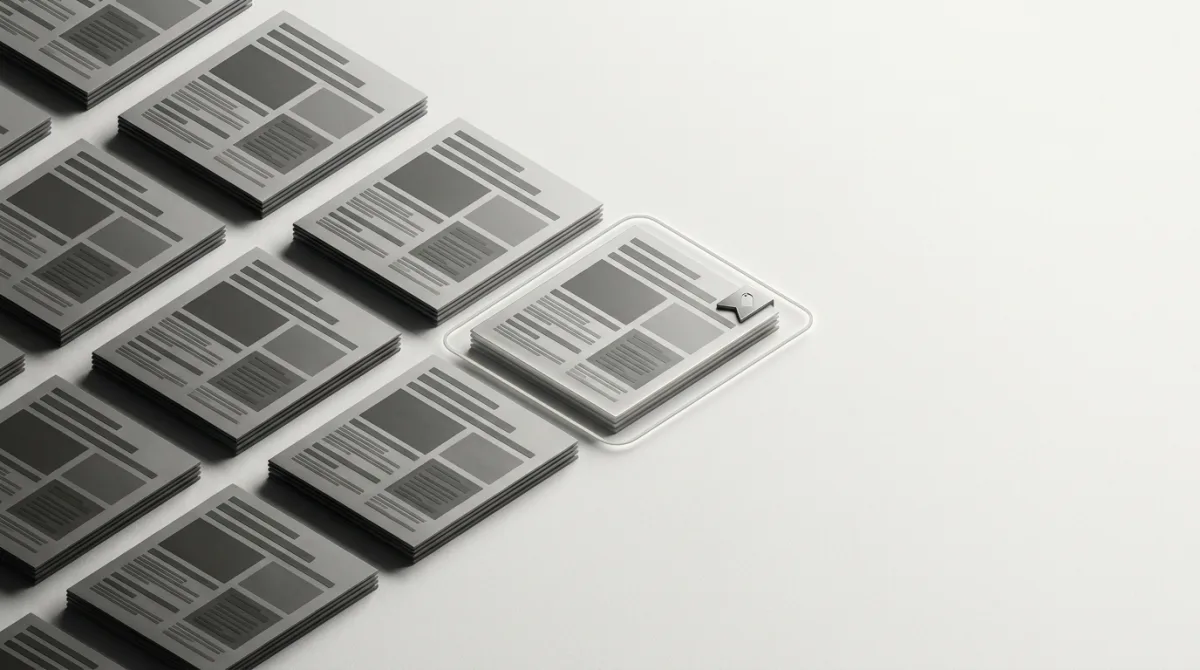
Nativo is a native advertising platform built for brand storytelling: its signature format takes a full sponsored article and distributes it into premium publishers' content feeds, so a reader clicks a native headline and reads your branded story without ever leaving the publisher's site. That is a fundamentally different product from the click-driving native networks — Nativo sells attention to content, not traffic to your landing page. The short verdict: it is a strong platform for brands and agencies with real content and mid-funnel goals, priced and structured accordingly, and usually the wrong tool for affiliates, lead-gen arbitrage, or anyone who measures success in cost per click.
How Nativo works#
Nativo's pitch since the early 2010s has been "true native." Most native advertising is native only until the click: the ad unit matches the feed, but the click leaves the publisher for the advertiser's page. Nativo inverts that. Its flagship Native Article format renders the advertiser's full article inside the publisher's own template — fonts, layout, byline conventions — so the sponsored story reads like the publication's editorial while carrying a clear sponsored label. The Los Angeles-based company built its business on the technology that makes this scale: one piece of content, automatically re-rendered across hundreds of publisher designs.
For the advertiser, the workflow is closer to content marketing than classic media buying. You produce the story (or adapt existing content), Nativo distributes it across its publisher network with targeting by audience, context, and publisher list, and the primary results are engagement metrics: how many people opened the story, how far they read, how long they stayed. Managed service and programmatic access both exist; check the platform's current documentation for how buys are structured today.
The format lineup#
| Format | What it is | Best for |
|---|---|---|
| Native Article | Full sponsored article rendered in the publisher's template | Brand storytelling, thought leadership |
| Native Display | In-feed unit that clicks through to your own site | Driving site traffic with native context |
| Native Video | Video running inside article and feed environments | Awareness and completion goals |
| Scroll / story formats | Immersive scrolling units built from brand content | Product showcases, launches |
Format names and specifics evolve, so verify the current lineup in Nativo's documentation before briefing creative. The stable idea across all of them: the ad is branded content living inside editorial space, not an interruption beside it.
What makes Nativo different from content-recommendation networks#
The content recommendation widgets most people associate with native advertising sit below the article and route clicks out to advertiser landing pages. Their economics reward curiosity-gap headlines, cheap clicks, and fast funnels — which is exactly why they are dominated by performance and affiliate demand. Nativo placements sit within the feed itself, and the "conversion" is a read. That single difference cascades through everything: the creative unit is a story rather than a teaser, the KPI is attention rather than click-through, and the advertiser mix is brands with content budgets rather than media buyers optimizing CPA.
Disclosure works the same way everywhere, though. Sponsored content is advertising and must be labeled as such no matter how editorial the placement feels. The FTC's native advertising guidance applies in full, and our FTC disclosure rules guide covers what compliant labeling looks like in practice.
What Nativo costs#
Content distribution is priced on impressions, not clicks. Expect CPM pricing at a premium to mass native feeds — buyers commonly describe rates closer to premium display and sponsored-content buys than to the bargain CPMs of long-tail native, with managed programs carrying meaningful minimum commitments. None of that is official rate-card data, and your category and targeting will move it.
The derived metric that matters is cost per engaged read. Impressions are cheap everywhere; a completed read of a 900-word brand story is a genuinely scarce unit, and it is the unit Nativo is actually selling. Budgeting mechanics for the broader channel are covered in our native advertising cost guide.
Who should use Nativo — and who shouldn't#
Good fit
- Brands with a working content engine — the platform distributes stories; it does not write them
- B2B companies running thought-leadership programs that need executive readers
- Regulated categories (finance, healthcare, insurance) that need premium, reviewable placements
- Agencies packaging sponsored-content programs across many publishers at once
Poor fit
- Affiliates: no control of the click destination in the flagship format means no funnel control, and the affiliate native playbook depends on exactly that control
- DTC performance buyers who need pixel-based ROAS within days — the feedback loop here is engagement, not purchases
- Small budgets: minimums and content production costs stack before the first impression serves
If you sit in the second group, the standard media buying path for native on the click-driven networks is the better road.
Nativo vs Taboola and Outbrain#
| Nativo | Taboola / Outbrain | |
|---|---|---|
| Core product | Sponsored articles read on the publisher's site | In-feed clicks to your landing page |
| Primary KPI | Engaged attention (reads, time, scroll) | CPC, CPA, ROAS |
| Advertiser mix | Brands, B2B, agencies | Performance, affiliate, DTC |
| Pricing | Premium CPM, managed minimums | Low-CPC auctions, self-serve |
| Creative input | Full articles, video, story assets | Image + headline components |
Scale tells the same story from the supply side: OpenAdLibrary's index counts 206,000+ live Taboola creatives and 108,000+ live Outbrain creatives (June 2026) — high-volume, performance-dominated feeds. Nativo plays a lower-volume, higher-production game on purpose. Our Taboola vs Outbrain comparison covers the click-side giants head to head.
Measuring whether the storytelling actually works#
Engagement metrics are honest but incomplete — a read is not revenue. The programs that justify their budgets usually do three things. First, they define the next click before launch: every story ends with a concrete path (a tool, a report, a product page) so engaged readers have somewhere to go. Second, they build retargeting pools from engaged readers and measure what those audiences do later, which converts attention into an addressable asset. Third, they benchmark against alternatives: if the goal is qualified attention, compare cost per engaged read against what a newsletter sponsorship or premium video view costs, not against native CPCs — it will always lose the CPC comparison because it is not buying clicks.
Content that earns the read#
Distribution cannot rescue a story nobody wants to read, and the sponsored articles that perform share recognizable traits. They lead with the reader's problem, not the brand's history — the brand earns its mention by being useful first. They are specific: numbers, named trade-offs, and concrete scenarios out-read generalities in every category we have watched. They match the host publication's register, because a press release dropped into a newspaper template reads as exactly that and dies in the first hundred words. And they respect the label: readers know the story is sponsored, and content that pretends otherwise burns the trust the disclosure already spent.
A useful drafting test before anything ships: if the article would still be worth reading with every brand mention removed, it will hold attention with them in. If it would collapse into a brochure, no distribution budget fixes it — rewrite before you spend.
Researching sponsored content before you brief it#
The fastest way to raise the floor on your content is to study the sponsored stories and advertorial structures already running at scale. OpenAdLibrary's index of 725,000+ live native creatives across 49 networks (June 2026) shows which headline patterns and story frames advertisers keep paying to distribute — analyzing winning native creatives covers a practical scoring workflow, and the native ad spy tool page shows what per-advertiser tracking looks like. The hooks that survive brutal CPC economics on the mass networks are a useful stress test for the angles you are about to spend premium CPMs distributing.
Verdict: who should use Nativo in 2026#
Nativo is one of the few platforms selling genuine content distribution rather than dressed-up clicks, and for brand storytellers with production capability and mid-funnel goals it earns its place on the plan. Judge it on cost per engaged read and on what engaged audiences do downstream, not on CPC math it was never designed to win. Performance buyers, affiliates, and small budgets should go where the feedback loops are faster and the minimums lower — and treat Nativo as something to graduate into once there is a brand story worth distributing.