Español
 Português (Brasil)
 Français
 Deutsch
 Italiano
 Nederlands
 Polski
 Svenska
 Türkçe
 Русский
 日本語
日本語 한국어
한국어 简体中文
简体中文 Tiếng Việt
 Bahasa Indonesia
 繁體中文
繁體中文 Čeština
 Dansk
Dansk Norsk (bokmål)
 Suomi
Suomi Ελληνικά
 Română
 Magyar
 Українська
 ไทย
ไทย हिन्दी
 العربية
 עברית
עבריתDo AI-Generated Ads Actually Work? A Practitioner's Read
AI-generated ads are genuinely useful for production speed and genuinely bad at inventing a hook from nothing. Here's where they actually help, where they fail, and how to test them fairly.

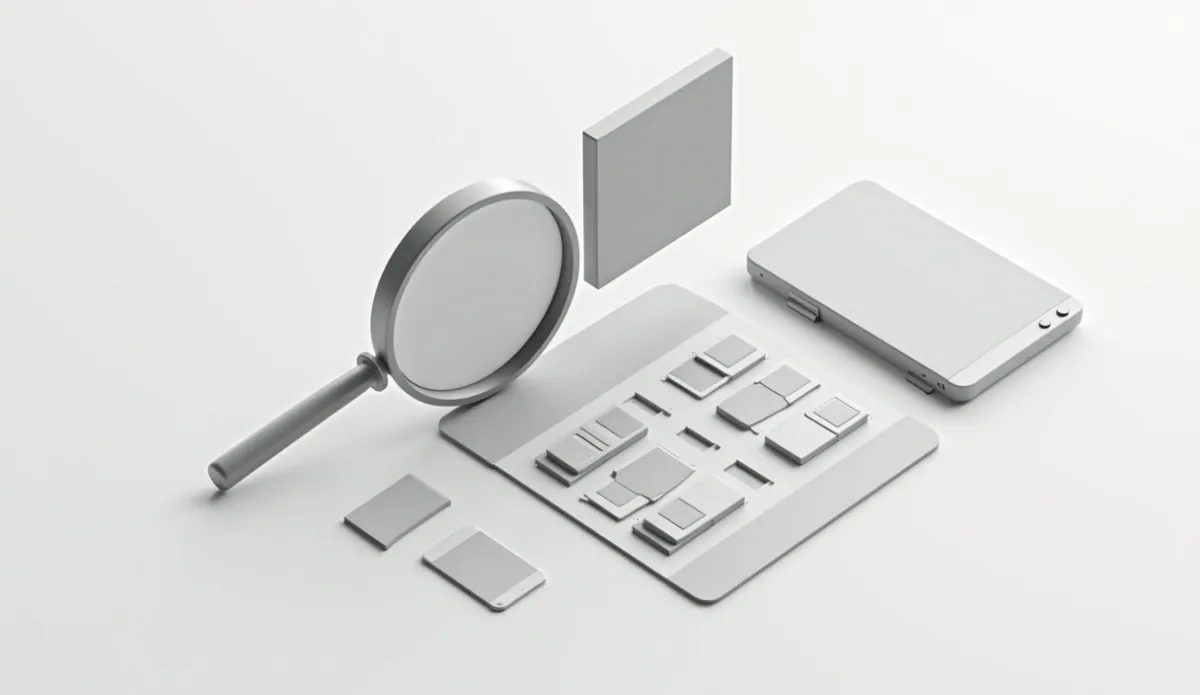
AI-generated ads work for some jobs and fail badly at others. They're genuinely useful for producing volume, images, background variations, and quick copy tests, and they struggle at producing the specific, believable human detail that makes a native ad feel like an editorial recommendation instead of an advertisement. The honest answer to "do they work" is: it depends what you're asking them to do, and most of the disappointment comes from asking an image model to write a hook instead of asking it to make a hook you already wrote look real.
What "working" actually means in native#
Before arguing about AI ad performance, define the job. In native advertising, a creative has two components that matter for click-through: the image and the headline. The image needs to look native to the feed (a photo, not an ad), and the headline needs a curiosity gap or a specific claim. Across the OpenAdLibrary index of 725,000+ native ad creatives across 49 networks (June 2026), the winning pattern isn't polish. It's specificity: a named brand, a number, a body part, a before/after implication. "Wrinkles: Most People Use Lotions. Koreans Do This Instead" beats a generic beauty photo every time, and that's a copywriting problem, not a rendering problem.
AI tools solve rendering. They don't solve specificity unless you feed them a specific brief.
Where AI-generated images actually perform#
Image generation models are good at three things that matter for native creative production:
- Volume. You can produce 30 background variations of a hook in an afternoon instead of scheduling a shoot. For a media buyer testing five angles across three geos, that's the difference between testing and guessing.
- Compliant "before/after" framing without a real photographer. Health, beauty and finance advertisers who can't legally show a real "after" result can generate a plausible stock-style scene instead, as long as the claim in the copy stays honest.
- Localizing creative fast. Swap a face, a season, a background color for a new geo without reshooting. If you're scaling to new geos, this alone can save a week per market.
Where they fall down: faces. Native audiences on Taboola, Outbrain and MGID are trained (mostly unconsciously) to spot a stock photo from three feet away, and AI-generated faces still carry tells, especially hands, teeth, and background text. If your angle depends on looking like a real testimonial photo pulled from a local news site, a synthetic face is a real risk to click-through, not a cosmetic one.
Where AI-generated copy actually performs#
Large language models are excellent at producing headline variations once you give them a real hook, and mediocre at inventing the hook itself. Ask an LLM to write "10 headlines about a hearing aid" cold and you'll get generic filler. Feed it three real, high-longevity headlines from your vertical, along with the instruction to vary the curiosity mechanism (question, direct claim, story, controversy), and the output gets dramatically more usable.
This is really a data problem. The model needs examples of what already works in your vertical before it can extrapolate. That's exactly the gap a tool like ad creative analysis is built to close: you pull the headlines and hooks that are already running and winning, then use them as the seed set for generation, rather than starting from a blank prompt.
The longevity signal AI creative still has to earn#
The most useful, least hyped way to judge whether an AI-assisted creative "works" is the same signal that applies to human-made creative: does it keep running. Networks pull underperforming ads fast, so an ad still running past 30 days is very likely still profitable for the advertiser paying for it. In the current OpenAdLibrary index, a meaningful share of the longest-observed creatives sit in health, finance, insurance and home/garden verticals, and none of them win on visual novelty alone. They win because the claim is specific and the image supports the claim without over-promising.
If you're testing AI-generated creative, don't judge it on your gut reaction to the image. Launch it, watch whether it survives past the first week, and compare survival against your existing human-shot control. That's a fairer test than any subjective "does this look real" review.
Practical workflow: using AI without producing generic ads#
A workflow that tends to hold up in practice:
- Pull 10 to 20 live, long-running creatives in your vertical and geo as reference (not to copy, to understand the pattern).
- Write the hook and claim yourself, in plain language, before touching an image tool. The claim is the part AI is worst at inventing from scratch.
- Use image generation for backgrounds, product staging, and localization, not for faces that need to read as a real testimonial unless you've validated the model's output against real examples closely.
- Generate 5 to 10 headline variants from your written hook, not from a blank prompt.
- Launch small, watch day-3 and day-7 survival, and kill anything that doesn't clear your CPA target fast. AI creative doesn't get a longer grace period than human creative.
Where the risk actually sits#
The bigger risk with AI-generated ads right now isn't performance, it's compliance and brand safety. A generated image that implies a medical claim you can't back up, or a synthetic "customer" testimonial, sits in the same regulatory bucket as a hand-made one under FTC disclosure rules for advertorial-style content. Review AI output against the same standard you'd apply to a human designer's draft: does the image match a claim you can defend, and is any implied endorsement actually true. Speed of production doesn't change your compliance obligations.
There's also a fatigue risk specific to AI tools: because generation is cheap, teams over-produce visually similar variations and mistake volume for testing. Ten backgrounds around the same weak hook isn't ten tests, it's one test run ten times. If you want to see what genuine variation looks like at scale, pattern analysis across live creatives is a faster way to find real angle diversity than generating more images of the same idea.
What the data actually supports (and what it doesn't)#
Be careful with anyone quoting a precise "AI ads convert X% better" statistic. There's no independent, cross-network benchmark that isolates "AI-generated" as a variable separate from everything else that changes between two campaigns (audience, geo, bid strategy, landing page). Networks don't publish creative-origin data, and neither does anyone else. What you can actually observe, at scale, is which creatives keep running and which get pulled, regardless of how they were made. That's an outcome signal, not an origin signal, but it's the most honest one available, and it's exactly what an ad transparency tool is built to expose across networks instead of one at a time.
Treat any specific AI-vs-human conversion-lift number you see quoted in a blog post or vendor deck as marketing, not evidence, unless it comes with the underlying methodology attached.
AI creative and the platforms it runs on#
It also matters which network you're running on. Health and finance verticals, the two largest categories in the current index by a wide margin, are also the categories where advertorial-style claims draw the most regulatory attention. If you're generating creative for nutra offers or finance angles, the AI-generation question is secondary to the claim-substantiation question: can you defend the specific claim in the headline, regardless of whether the accompanying image came from a camera or a diffusion model. A network reviewer (and eventually the FTC) cares about the claim, not the production method.
Ecommerce and DTC advertisers have more room to experiment freely, since product photography augmented with AI-generated backgrounds or lifestyle scenes carries much lower compliance risk than a health claim illustrated by a synthetic "patient." If you're weighing native ads against Facebook ads for a DTC brand, creative production speed via AI tools is one of the more legitimate reasons native pulls ahead: you can localize and refresh product-focused creative faster than you can reshoot a UGC-style video ad.
So, do they work?#
Yes, for image and copy production speed. No, not as a substitute for a real hook, a real claim, and a review of what's already surviving in your vertical. Treat AI tools the way you'd treat a very fast junior designer: great at execution once you've given clear creative direction, unreliable when asked to invent the strategy from nothing. If you want to check whether your AI-assisted creative is actually landing anywhere near what's already winning, browsing live examples inside OpenAdLibrary's native ad spy tool against your vertical is a faster gut check than any internal debate about whether the image "looks AI."