Español
 Português (Brasil)
 Français
 Deutsch
 Italiano
 Nederlands
 Polski
 Svenska
 Türkçe
 Русский
 日本語
日本語 한국어
한국어 简体中文
简体中文 Tiếng Việt
 Bahasa Indonesia
 繁體中文
繁體中文 Čeština
 Dansk
Dansk Norsk (bokmål)
 Suomi
Suomi Ελληνικά
 Română
 Magyar
 Українська
 ไทย
ไทย हिन्दी
 العربية
 עברית
עבריתHow to Build a Pre-Lander: Tools, Templates & a 1-Day Workflow
Most prelander builds fail on tracking wiring and compliance, not copy. Here's a practical hour-by-hour workflow to get a first version tested in a single day.

A working pre-lander needs five things before you write a single line of copy: a validated angle, a headline that continues the exact claim from your ad, a click-tracking setup that passes parameters through to the offer, a compliant disclosure, and a single clear CTA. With those decided, most buyers can build, tag and launch a first version in a single working day using a template-based page builder rather than custom code.
What to decide before you open a builder#
Skipping straight to design is the most common way to waste a day. Decide these first:
- The angle. What claim or hook is the prelander continuing from the ad creative? If the ad promises a specific outcome, the prelander headline needs to pick up that exact thread, not pivot to something broader.
- Compliance posture for the vertical. Health, finance and sweepstakes offers carry specific disclosure requirements; check the FTC's disclosure rules for advertorials and native ads before writing claims you can't support.
- Parameter passthrough plan. Decide up front which click identifiers, click IDs and subids need to travel from the ad through the prelander to the offer, so your tracker can attribute conversions correctly later.
The core building blocks#
A prelander that converts needs, at minimum:
- Headline that continues the ad's hook without contradicting it.
- Body copy or narrative giving enough context to make the offer feel earned rather than randomly inserted (this is the advertorial mechanic at work).
- Proof or trust element, if the vertical calls for it: a date, a source line, a plausible attribution.
- A single, unambiguous CTA that leads to the offer, not a menu of competing actions.
- A visible disclosure, sized and placed to actually meet the requirements for your vertical and geo, not buried in a footer nobody scrolls to.
Tracking setup: click IDs, redirects and postbacks#
This is the part most first-time builders under-invest in, and it's the part that determines whether you can trust your own results later.
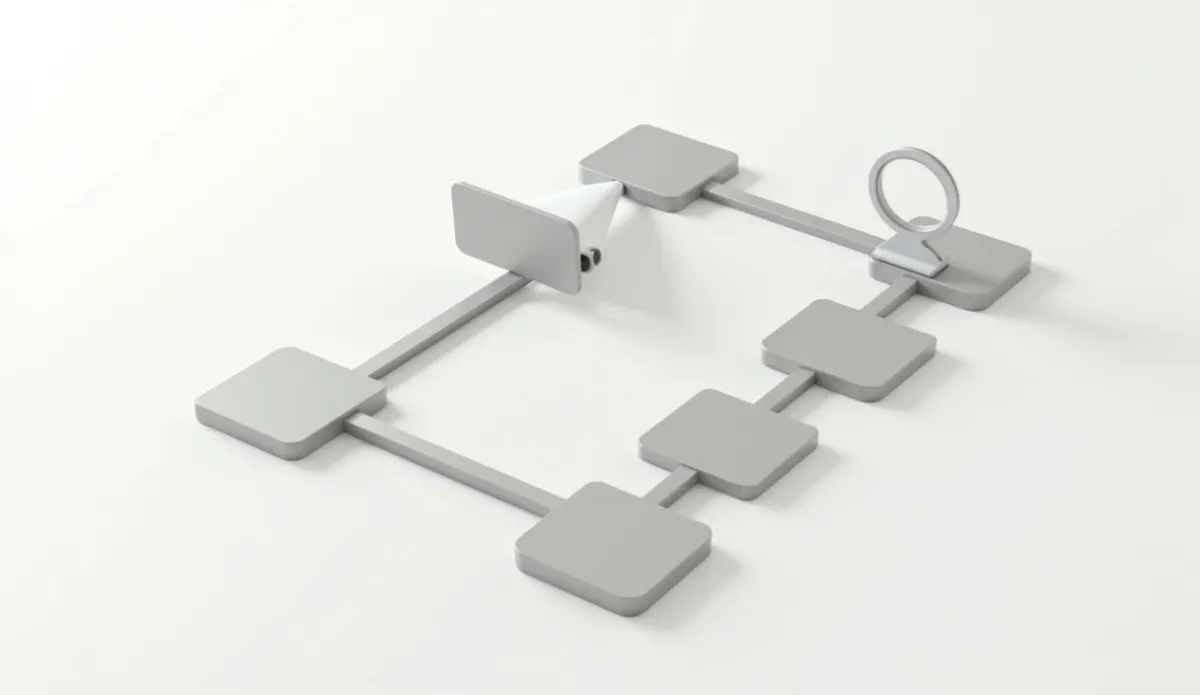
- Every click from the ad needs to carry a click ID through the prelander to the offer page, so conversions can be attributed back to the specific ad, geo and placement that generated them.
- If your funnel routes through an intermediate domain, understand the redirect chain involved: each additional hop adds latency, and latency costs conversions, which connects directly to page speed concerns covered separately.
- Confirm which click-tracking domain you're using and that it's cloaked or configured appropriately for the network's policies before launch, not discovered as a problem after your first review flag.
- If the offer pays on a delayed action (a call, a form completion downstream), make sure the postback URL is configured and tested with a real test conversion before you spend real budget on traffic.
A one-day build workflow#
Hour 1: Angle and compliance lock. Confirm the exact claim the prelander will make, cross-check it against the vertical's disclosure requirements, and write down the parameter list your tracker needs to pass through.
Hour 2: Copy draft. Write the headline first, matched word-for-word in tone to the ad hook. Draft the body narrative around it, then the CTA copy last, once the arc of the page is clear.
Hour 3: Template selection and build. Pick a template structure that matches your format (single-scroll advertorial, or a quiz-style interactive lander if the offer has real qualification value) and drop the copy in. Don't customize layout extensively on a first build; validate the angle before you invest in design polish.
Hour 4: Tracking wiring. Add the click ID passthrough, confirm the redirect hop count, and set up the postback if the offer requires one. Fire a real test click through the entire chain and confirm the conversion registers correctly on the tracker side.
Hour 5: Disclosure and compliance pass. Re-read every claim against source material you can actually defend, confirm the disclosure is visible and sized correctly, and check the page on an actual mobile device, not just a resized browser window.
Hour 6: Load and launch. Compress images, check load time on a throttled connection, and launch to a small test budget before scaling spend.
Common build mistakes that kill conversion before the first test even starts#
- Headline drift. The prelander headline says something different from the ad's hook, which reads as a bait-and-switch to the visitor and tanks trust instantly.
- Missing or buried disclosure. Beyond the compliance risk, a disclosure that feels hidden reads as evasive to visitors who do notice it, which hurts conversion even among users who wouldn't have cared either way.
- Too many redirect hops. Each additional bounce between domains adds load time and a chance for tracking to break silently.
- Testing on desktop only. Native traffic is overwhelmingly mobile; a page that looks fine at a wide browser width can be broken or painfully slow on an actual phone.
- No test conversion before spend. Launching without confirming the postback actually fires means you can burn a full day of budget before discovering your data is worthless.
Choosing a template structure for your vertical#
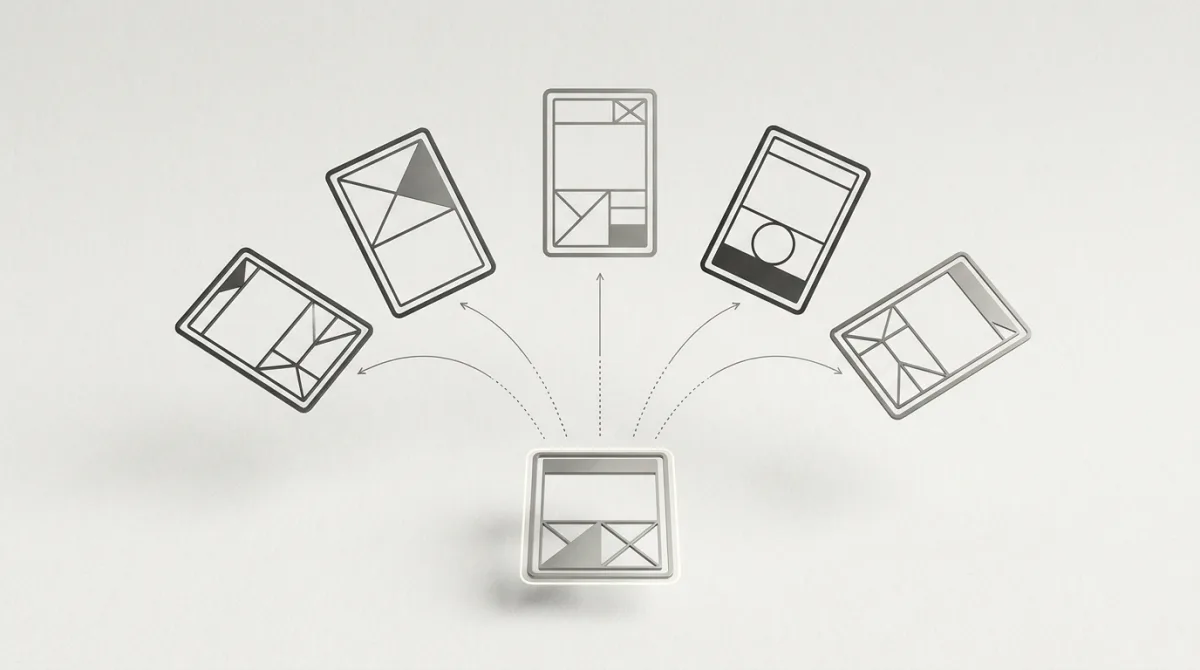
Not every offer needs the same page shape. A single-scroll advertorial works well when the angle is a narrative claim that benefits from context before the ask (a health discovery, a financial "loophole," a lifestyle story). A shorter, more direct lander with minimal copy works better for offers where the value proposition is obvious and adding narrative just delays the CTA. A quiz-style interactive lander is worth the extra build time only when the offer has genuine qualification criteria the quiz can plausibly assess. Picking the wrong shape for the offer is a common reason a technically well-built prelander still underperforms: the format itself is fighting the angle.
Where to host it and what that decision affects#
Most buyers host prelanders on a dedicated domain separate from any brand site, both for compliance cleanliness and so a policy issue on one funnel doesn't touch anything else you run. Decide early whether the domain needs to be cloaked or presented differently to the network's crawler than to real visitors, a practice with real policy implications that varies by network; check the specific network's current documentation rather than assuming a blanket approach is safe. Whatever you decide, keep the decision consistent across every prelander on that domain, since inconsistent behavior between pages on the same domain is one of the more common ways a policy review escalates from one flagged page to the whole domain.
A post-launch checklist worth keeping on hand#
- Confirm the test conversion registered correctly in your tracker before scaling spend beyond a small test budget.
- Check the mobile render on an actual device, not a resized browser window, within the first hour of traffic flowing.
- Watch for early signals of disclosure or policy pushback from the network's review process and address them immediately rather than waiting for a full suspension.
- Segment early performance by geo and device rather than looking at a single blended number, since a strong overall average can hide a badly underperforming segment.
- Hold off on any copy changes until you have enough volume across more than a single day to judge the initial version fairly.
Testing after launch#
Once live, resist judging the prelander on a handful of clicks. Give it enough volume across at least a full day-of-week cycle before drawing conclusions, and change one variable at a time (headline, then image, then CTA copy) rather than relaunching a completely different page and losing the ability to isolate what actually moved the number.
How OpenAdLibrary helps#
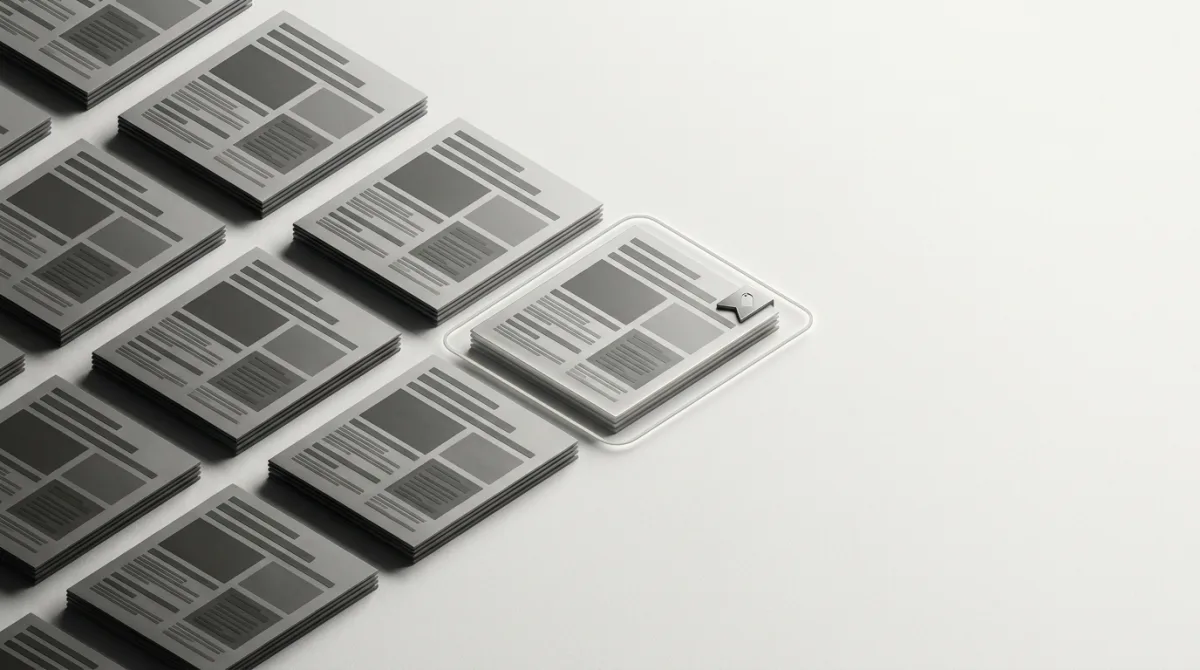
Building a prelander from a blank page is slower and riskier than building from a reference point. OpenAdLibrary's native ad spy tool traces live native ads through to their actual landing pages, so you can study the structure, hook style and disclosure placement of prelanders that have survived long enough to prove they're working, before you commit a day of build time to your own version.
Bottom line#
A pre-lander is fast to build once the angle, compliance posture and tracking plan are decided upfront. Most of the risk in a first build isn't the copy, it's skipping the tracking wiring and the mobile test before spending real budget against it.