

 Español
 Português (Brasil)
 Français
 Deutsch
 Italiano
 Nederlands
 Polski
 Svenska
 Türkçe
 Русский
 日本語
 한국어
 简体中文
 Tiếng Việt
 Bahasa Indonesia
 繁體中文
 Čeština
 Dansk
 Norsk (bokmål)
 Suomi
 Ελληνικά
 Română
 Magyar
 Українська
 ไทย
 हिन्दी
 العربية
 עברית
Programmatic Guaranteed
Programmatic Guaranteed is a deal type where a buyer and publisher lock in a fixed price and reserved volume upfront, then execute it automatically.

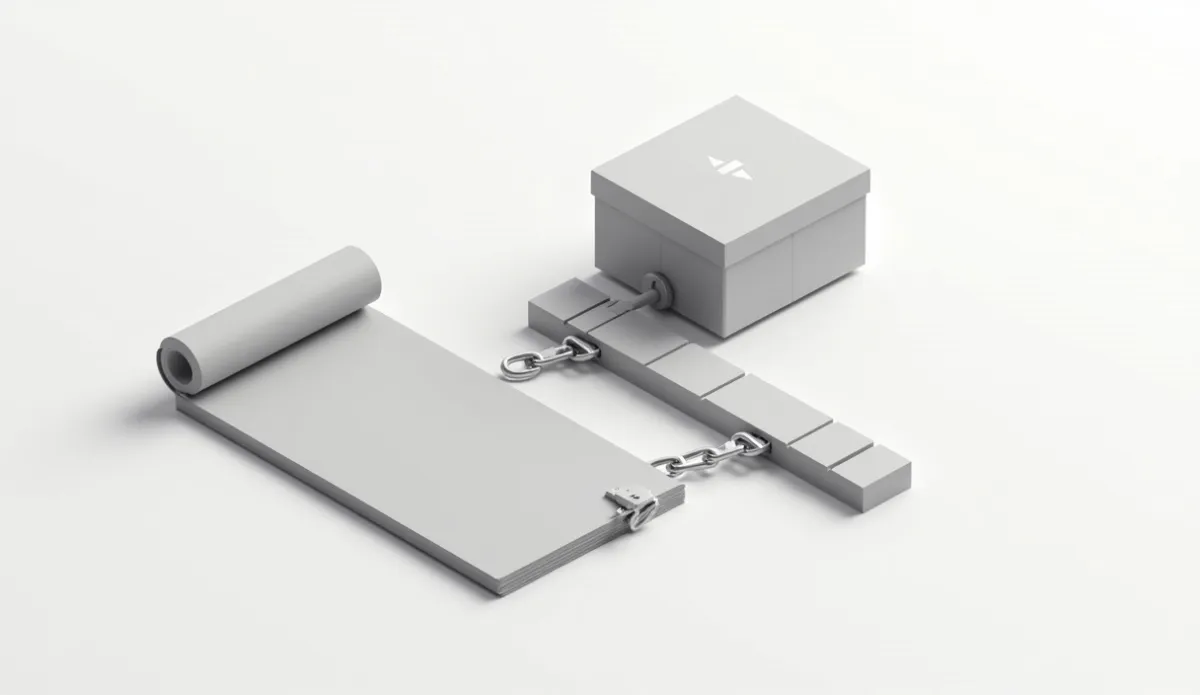
Programmatic Guaranteed (often shortened to PG) is a deal type where a buyer and publisher agree upfront on a fixed price, a fixed volume of impressions, and specific inventory, then the deal executes automatically through a programmatic pipe instead of a manually trafficked insertion order.
How it works#
A PG deal starts the same way a traditional direct-sold campaign does, negotiated through a publisher's sales team: a negotiation over price, placement, targeting, and volume, rather than a self-serve platform. Where it differs from programmatic direct more broadly is the automation on the back end. Once terms are set, the publisher's supply-side platform issues a deal identifier tied to those exact terms, and the buyer's demand-side platform targets that identifier directly. No open auction happens; when a matching impression comes up, it's simply reserved and delivered to the buyer at the agreed price, tracked against the agreed volume.
Under the hood it still rides on the same OpenRTB bid request and response structure as the rest of real-time bidding, but functionally the "auction" is a formality confirming the reservation rather than a real competition for the impression.
Why buyers and publishers use it#
For buyers, PG gives certainty: a known price and a guaranteed volume, useful for campaigns where hitting a specific reach or frequency target matters more than squeezing the lowest possible CPM. For publishers, it protects premium inventory from ever hitting the open exchange at a potentially lower clearing price, while still gaining the operational efficiency of automated delivery, no manual ad-tag trafficking, no separate reporting reconciliation.
The tradeoff for buyers is flexibility. A PG deal commits to specific terms upfront, so it doesn't respond to changing market conditions the way real-time bidding does. If overall demand for that inventory drops after the deal is signed, the buyer doesn't automatically benefit from a lower going rate.
Programmatic Guaranteed versus other deal types#
PG sits at the most rigid end of the deal spectrum. A Private Marketplace deal still runs a real auction among invited buyers with a negotiated floor; a preferred deal offers a fixed price but no guaranteed volume, and either side can walk away from any individual impression. PG locks in both price and volume, which is why it's most common for premium, high-visibility placements that a brand-safety-conscious buyer wants to secure ahead of time rather than compete for in real time. Buyers doing this kind of premium reservation buying still benefit from checking what's actually running across the market: OpenAdLibrary's ad intelligence index shows live creative and network activity that's useful context when negotiating placement and volume for a PG deal.
FAQ#
Is Programmatic Guaranteed the same as a private marketplace deal?
No. A PG deal reserves a fixed price and volume with no auction at all. A private marketplace deal still runs an actual auction, just among a restricted, invited set of buyers with a negotiated floor.
Does Programmatic Guaranteed use real-time bidding?
Technically the same OpenRTB plumbing carries the transaction, but there's no competitive bidding happening. The "bid" simply confirms delivery against terms already agreed outside the auction.
Why would a buyer choose PG over the open exchange?
Certainty. PG guarantees both price and volume upfront, which matters for campaigns built around a specific reach or frequency goal, or for buyers who want premium, brand-safe placements locked in ahead of time rather than won impression by impression.
Can a Programmatic Guaranteed deal fall through after it's signed?
Yes, if the publisher can't deliver the agreed volume, due to lower-than-expected traffic, for example, the deal typically under-delivers rather than being enforced as a strict guarantee, so the underlying terms and make-good policy matter as much as the headline price.