English
 Español
 Português (Brasil)
 Français
 Deutsch
 Italiano
 Nederlands
 Polski
 Svenska
 Türkçe
 Русский
 日本語
日本語 한국어
한국어 简体中文
简体中文 Bahasa Indonesia
 繁體中文
繁體中文 Čeština
 Dansk
Dansk Norsk (bokmål)
 Suomi
Suomi Ελληνικά
 Română
 Magyar
 Українська
 ไทย
ไทย हिन्दी
 العربية
 עברית
עבריתChi phí quảng cáo MGID năm 2026: Mức CPC theo khu vực & Tiền nạp tối thiểu
MGID không có bảng giá cố định — CPC của bạn được đấu giá, phụ thuộc vào khu vực và CTR của sáng tạo. Đây là phạm vi mà các nhà mua media thường báo cáo theo từng tầng, cơ chế nạp tiền và cách xác định ngân sách kiểm tra để đưa ra quyết định thực sự.


MGID là một trong những cách rẻ nhất để mua traffic native ở quy mô đáng kể. Mạng lưới này chạy đấu giá CPC mà không có bảng giá công khai; các nhà mua media thường báo cáo lượt nhấp từ dưới một xu ở các khu vực Tier-3 lên đến khoảng $0.10–$0.40 cho các vị trí desktop Tier-1 cạnh tranh, và mức nạp tiền tối thiểu cho tự phục vụ thường được nhắc đến quanh mốc $100. Không con số nào trong số đó là chính thức — MGID định giá bằng đấu giá, vì vậy ngành dọc, CTR sáng tạo và khu vực của bạn quyết định những gì bạn thực sự phải trả. Hướng dẫn này phân tích cách định giá MGID hoạt động, các phạm vi CPC mà người thực hành báo cáo theo từng tầng địa lý, cơ chế nạp tiền và ngân sách, những chi phí không ai liệt kê và cách xác định quy mô một bài kiểm tra để đưa ra quyết định thực sự thay vì một cái nhún vai tốn kém.
Cách định giá MGID hoạt động#
MGID bán lượt nhấp. Bạn đặt giá thầu CPC cho mỗi chiến dịch — có thể điều chỉnh theo khu vực và vị trí đặt quảng cáo — và mạng lưới xếp hạng teaser của bạn so với các quảng cáo cạnh tranh dựa trên doanh thu hiệu quả cho nhà xuất bản, mà trong thực tế có nghĩa là giá thầu của bạn nhân với tỷ lệ nhấp. Hai hệ quả sau đây xuất hiện:
- CTR là tiền. Một teaser có CTR gấp đôi có thể thắng cùng một vị trí với giá thầu thấp hơn đáng kể. Kiểm tra sáng tạo không phải là một tính năng 'có thì tốt' trên MGID; nó là cơ chế định giá.
- Cạnh tranh quyết định chi phí thực của bạn, không phải bảng giá. Không có bảng giá cố định. Mức sàn ở một khu vực Tier-3 trầm lắng và mức giá phổ biến trong ngành health lead generation ở Mỹ khác nhau đến hai bậc độ lớn.
MGID cũng cung cấp các tính năng đấu giá tự động điều chỉnh CPC hướng tới một mục tiêu chuyển đổi sau khi hệ thống theo dõi của bạn cung cấp dữ liệu trở lại nền tảng. Chúng có thể hữu ích ở quy mô lớn, nhưng cần có khối lượng chuyển đổi thực tế để học hỏi — trên một tài khoản mới với dữ liệu mỏng, đấu giá CPC thủ công với các quy tắc lựa chọn vị trí có chủ đích thường mang lại kết quả tốt hơn. Tên và cơ chế tính năng thay đổi; hãy kiểm tra tài liệu hiện tại của MGID trước khi xây dựng chiến lược xoay quanh bất kỳ sản phẩm đấu giá cụ thể nào.
Nếu bạn mới làm quen với mạng lưới này, Cách MGID hoạt động bao gồm các định dạng, nhắm mục tiêu và thiết lập tài khoản. Bài viết này tập trung vào chi phí.
Mức CPC của MGID theo phân tầng địa lý (thường được báo cáo)#
Phạm vi phủ sóng của MGID toàn cầu một cách khác thường — các sáng tạo MGID đang chạy trong chỉ mục của OpenAdLibrary bao gồm quảng cáo chạy bằng tiếng Hy Lạp và một loạt dài các thị trường không phải tiếng Anh — và khả năng tiếp cận Tier-2/Tier-3 là một trong những điểm mạnh thực sự của mạng lưới. Các phạm vi CPC được báo cáo bởi người thực hành tập trung như sau:
| Phân tầng địa lý | Phạm vi CPC thường được báo cáo |
|---|---|
| Desktop Tier-1 (Mỹ, Anh, Canada, Úc, Đức…) | ~$0.10 – $0.40 |
| Mobile Tier-1 | ~$0.04 – $0.20 |
| Tier-2 (Đông Âu, Mỹ Latinh, Đông Nam Á…) | ~$0.01 – $0.10 |
| Tier-3 | ~$0.003 – $0.03 |
Hãy coi bảng này như một quy tắc kinh nghiệm, không phải báo giá: đây là các phạm vi mà các nhà mua media thường báo cáo, chúng trôi dạt theo thời gian và các ngành dọc sôi động có thể vượt qua đỉnh của chúng. Ý nghĩa của các phân tầng — và lý do người mua cấu trúc chiến dịch xung quanh chúng — được đề cập trong Phân tầng địa lý Tier 1 / Tier 2 / Tier 3. Để biết cách định giá của MGID so với Taboola, Teads và Revcontent, hãy xem Tiêu chuẩn CPC cho quảng cáo native.
Tiền nạp tối thiểu và ngân sách hàng ngày#
Rào cản gia nhập của MGID nằm trong số thấp nhất trong quảng cáo native. Mức nạp tiền tối thiểu cho tự phục vụ từ lâu đã được nhắc đến là khoảng $100, và ngân sách chiến dịch hàng ngày có thể bắt đầu đủ thấp để một bài kiểm tra đơn khu vực không đòi hỏi cam kết lớn. Hãy xác nhận các con số hiện tại khi đăng ký — chúng thay đổi theo khu vực, loại tiền tệ và loại tài khoản, và các tài khoản được quản lý (đi kèm với đại diện riêng) có kỳ vọng chi tiêu cao hơn.
Lời cảnh báo thực tế: chi phí gia nhập thấp khiến việc lập ngân sách có kỷ luật trở nên quan trọng hơn, chứ không kém đi. Rất dễ dàng để lạc vào với vốn không đủ, trải $100 trên năm khu vực và mười teaser, thu thập bốn mươi lượt nhấp cho mỗi ô và không học được điều gì chính xác. Traffic rẻ vẫn cần khối lượng có ý nghĩa thống kê.
Điều gì thực sự làm thay đổi CPC MGID của bạn#
Bốn đòn bẩy chi phối:
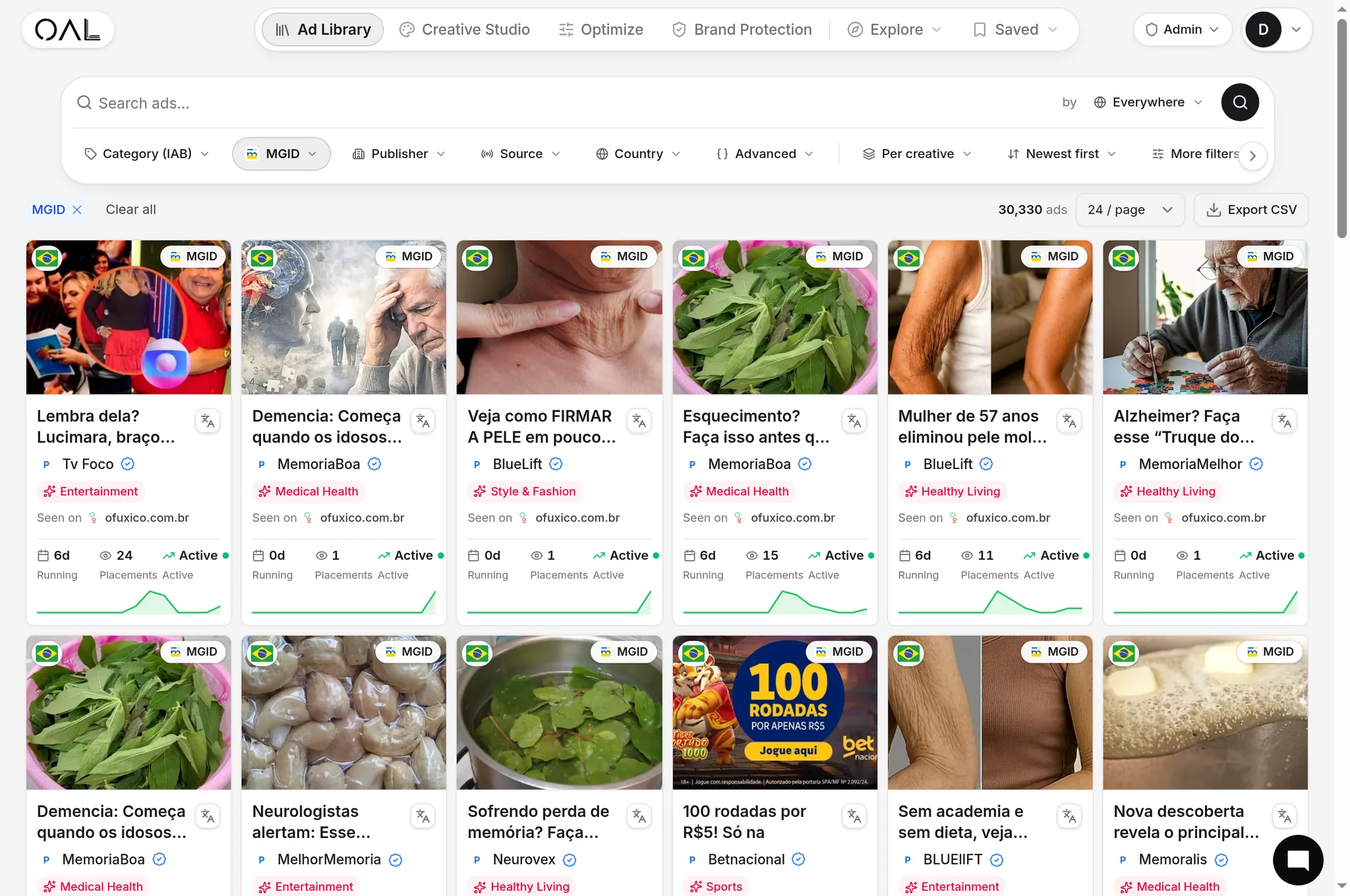
- Cạnh tranh theo khu vực và ngành dọc. Trong số 62.765 sáng tạo MGID đang chạy trong chỉ mục của OpenAdLibrary (tháng 7 năm 2026), nội dung kiểu giải trí là ngành dọc được phân loại lớn nhất với khoảng 14.000 sáng tạo — nhưng các ngành dọc tiền mặt trực tiếp (sức khỏe, bảo hiểm, tài chính) mới là nơi các cuộc đấu giá thực sự nóng lên, bởi vì đó là nơi các nhà quảng cáo với funnel đã được chứng minh tiếp tục tăng giá thầu.
- CTR của teaser. Vì cuộc đấu giá thực chất định giá dựa trên giá thầu × CTR, một teaser cũ hoặc yếu phải trả một mức phí hiệu quả ngày càng tăng. Khi CPC của bạn tăng dần ở mức giá thầu không đổi, sự mệt mỏi của sáng tạo là nghi phạm đầu tiên.
- Chất lượng vị trí: whitelist so với run-of-network. Các lượt nhấp RON rẻ một phần vì chúng bao gồm cả các vị trí yếu. Kịch bản tiêu chuẩn là bắt đầu với RON để thu thập dữ liệu vị trí, sau đó whitelist các site chuyển đổi — CPC trung bình của bạn tăng lên, nhưng chi phí cho mỗi chuyển đổi giảm xuống.
- Thiết bị và loại traffic. Khoảng không quảng cáo mobile nhiều hơn và rẻ hơn; lượt nhấp desktop đắt hơn nhưng thường chuyển đổi tốt hơn cho các offer cần cân nhắc. Hãy kiểm tra chúng như các chiến dịch riêng biệt, không bao giờ trộn lẫn.
Những chi phí bảng CPC không bao giờ thể hiện#
Chỉ lập ngân sách cho media là sai lầm kinh điển với MGID. Ngân sách kiểm tra thực tế còn phải bao gồm:
- Khối lượng sản xuất sáng tạo. MGID đòi hỏi 10–20 teaser cho mỗi chiến dịch, được làm mới khi chúng mệt mỏi. Dù đó là thời gian thiết kế hay công cụ AI, nó cũng là một khoản chi phí thực.
- Theo dõi. Một hệ thống theo dõi hoặc thiết lập postback là bắt buộc để lọc ở cấp độ vị trí; hãy dự trù ngân sách cho công cụ và giờ thiết lập.
- Chi tiêu khám phá. Giai đoạn RON — trả tiền cho lượt nhấp từ các vị trí mà sau này bạn sẽ blacklist — là học phí. Kỷ luật whitelist thu nhỏ nó lại; không gì có thể loại bỏ hoàn toàn.
- Các góc độ thất bại. Hầu hết các góc độ đều thua lỗ. Những góc độ chiến thắng phải bù đắp cho 'nghĩa địa', đó là lý do tại sao ngân sách lượt nhấp cho mỗi góc độ lại quan trọng.
- Thời gian. Xem xét vị trí, làm mới teaser và điều chỉnh giá thầu là một khối lượng công việc vận hành lặp lại. Traffic MGID rẻ một phần vì công sức tối ưu hóa thuộc về bạn.
Lập ngân sách cho một bài kiểm tra MGID thực tế#
Một bài kiểm tra có thể đưa ra quyết định trông như thế này:
- Một khu vực tại một thời điểm. Số liệu thống kê trộn lẫn nhiều khu vực là không thể đọc được; hãy chọn một thị trường và để nó kết luận.
- 2–3 góc độ, 5–7 teaser cho mỗi góc độ. Đủ sự biến đổi sáng tạo để cuộc đấu giá tìm thấy thứ gì đó nó thích.
- Vài trăm lượt nhấp cho mỗi góc độ còn sống trước khi đánh giá CPA của nó — về mặt số học, 400 lượt nhấp ở mức CPC mobile $0.05 là khoảng $20 media; cùng số lượt nhấp đó ở mức CPC desktop Tier-1 $0.30 là $120.
- Một chu kỳ lọc. Xem xét các vị trí vài ngày một lần; blacklist những vị trí không chuyển đổi, sau đó đọc lại các con số.
Tổng hợp lại, một bài kiểm tra Tier-2 đơn khu vực với ba góc độ thường rơi vào khoảng vài trăm đô la; bài kiểm tra có hình dạng tương tự trên desktop Tier-1 tốn bốn chữ số. Việc lượt nhấp rẻ của MGID có chuyển đổi hay không sau đó là câu hỏi về landing-page và offer, không phải về traffic — Mua Media cho Quảng cáo Native bao gồm cấu trúc kiểm tra đầy đủ.
Đừng trả giá đấu giá cho thông tin công khai#
Một nửa ngân sách kiểm tra MGID điển hình được dùng để khám phá lại những điều mà đầu ra trực tiếp của mạng lưới đã thể hiện: góc độ nào thống trị một ngành dọc, teaser nào tồn tại hàng tuần, funnel của đối thủ cạnh tranh trông như thế nào sau lượt nhấp. OpenAdLibrary lập chỉ mục 62.765 sáng tạo MGID đang chạy với thông tin về nhà quảng cáo, thời gian chạy quan sát được, dữ liệu khu vực và landing page được truy vết — duyệt chúng trong Thư viện quảng cáo MGID hoặc qua /spy/mgid. Bộ lọc có giá trị cao nhất là độ bền: một quảng cáo đã chạy 30+ ngày có thể đã có lãi, và việc mô hình hóa các góc độ đã được chứng minh trước lần nạp tiền đầu tiên sẽ cắt giảm chi tiêu khám phá thống trị hầu hết các bài kiểm tra thất bại.
Chi phí MGID so với các mạng lưới native khác như thế nào#
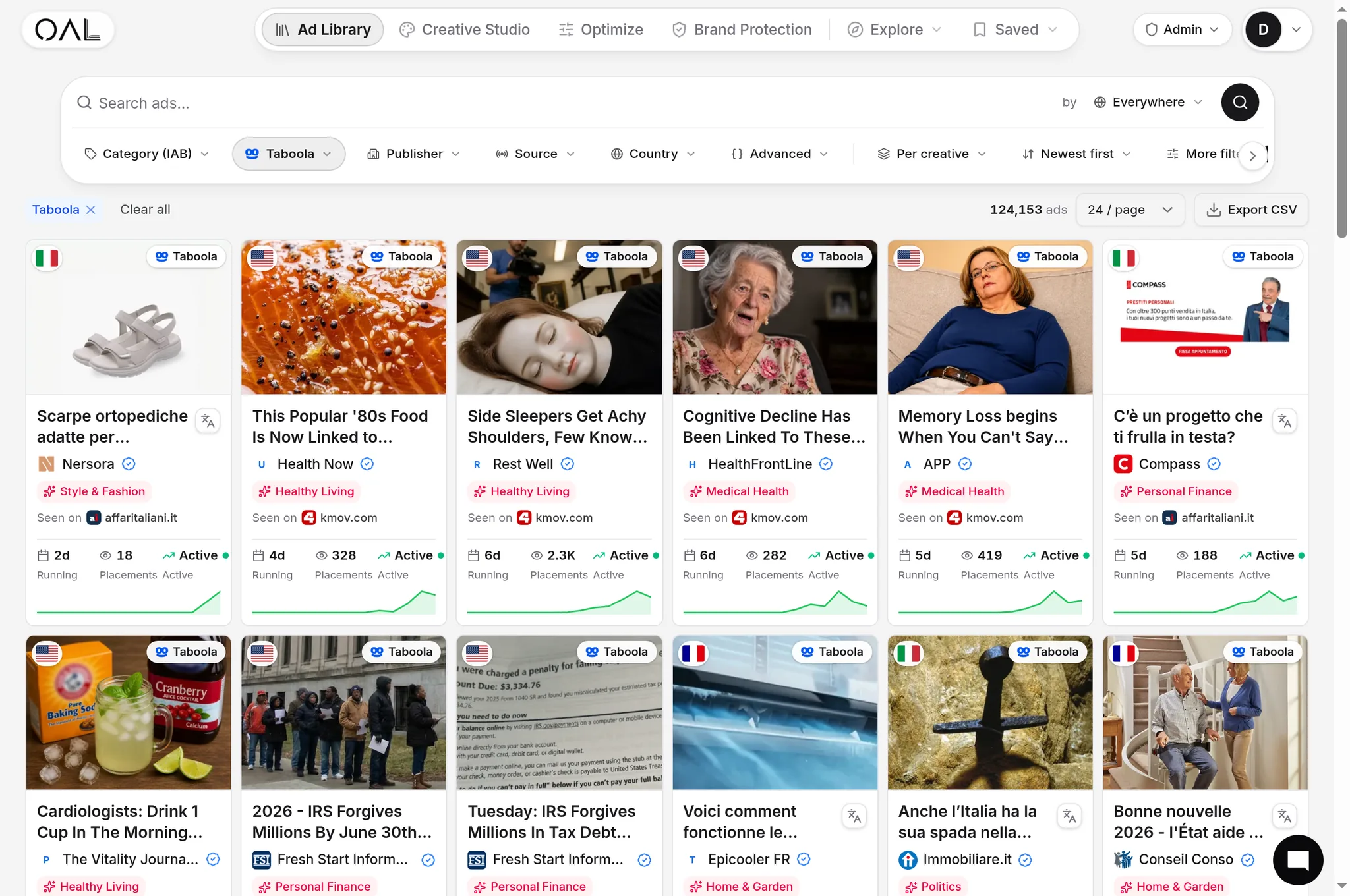
Lượt nhấp của MGID rẻ hơn các mạng lưới cao cấp (Taboola, Outbrain/Teads) và cạnh tranh với phần còn lại của phân khúc trung bình. Điều đó không tự động là một lợi thế: traffic rẻ hơn mang nhiều biến động hơn về chất lượng vị trí, vì vậy CPA hiệu quả — không phải CPC — là con số cần so sánh giữa các mạng lưới. MGID so với Taboola và MGID so với Revcontent so sánh các mạng lưới trực tiếp, và Quảng cáo native tốn bao nhiêu tiền? đặt phép toán lập ngân sách cho mọi mạng lưới lớn cạnh nhau.
Điểm mấu chốt: chi phí quảng cáo MGID thấp, có thể kiểm soát và đặc biệt nhạy cảm với chất lượng sáng tạo. Những người mua đến với khối lượng teaser, quy trình lọc và kỷ luật về khu vực thường có được lượt nhấp Tier-1 với giá vài chục xu và lượt nhấp Tier-2/3 với giá vài xu. Những người mua không làm vậy sẽ khám phá ra rằng ngay cả lượt nhấp rẻ cũng nhanh chóng cộng dồn.