English
 Español
 Português (Brasil)
 Français
 Deutsch
 Italiano
 Nederlands
 Polski
 Svenska
 Türkçe
 Русский
 日本語
日本語 한국어
한국어 简体中文
简体中文 Bahasa Indonesia
 繁體中文
繁體中文 Čeština
 Dansk
Dansk Suomi
Suomi Ελληνικά
 Română
 Magyar
 Українська
 ไทย
ไทย हिन्दी
 العربية
 עברית
עבריתTaboola cho Thương mại Điện tử: Sản phẩm nào bán chạy trên Feeds Native (Kèm Dữ liệu)
Thương mại điện tử là vertical lớn thứ tư trên Taboola. Dữ liệu trực tiếp cho thấy chính xác những mẫu sản phẩm nào duy trì chi tiêu trên feeds native — và funnel advertorial mà tất cả chúng đều sử dụng.

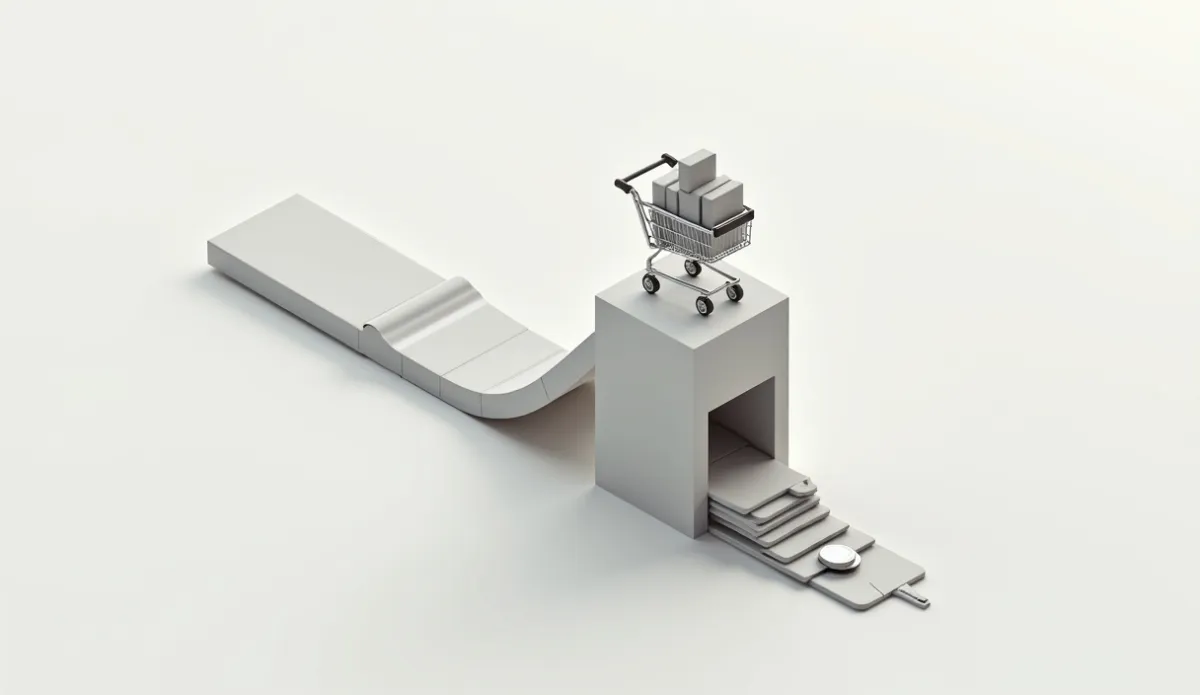
Taboola hoạt động cho thương mại điện tử — nhưng chỉ cho một loại sản phẩm cụ thể, được bán theo một cách cụ thể. Thương mại điện tử là vertical được phân loại lớn thứ tư trong chỉ mục Taboola của OpenAdLibrary, với 5.185 creatives thương mại điện tử đang chạy trong tổng số hơn 206.000 quảng cáo Taboola (tháng 6/2026), đứng sau sức khỏe, tài chính và bảo hiểm. Những sản phẩm duy trì chi tiêu trên feeds native không phải là các mặt hàng catalog thông thường; chúng là những sản phẩm giải quyết vấn đề với một câu chuyện có thể chứng minh, được bán qua funnel advertorial cho những người không có ý định mua sắm. Nếu sản phẩm của bạn cần được giải thích, trình diễn hoặc khám phá, Taboola có thể mở ra quy mô mà các kênh social bão hòa không còn cung cấp. Nếu bạn bán hàng dựa trên tìm kiếm thương hiệu và so sánh giá, hãy giữ ngân sách của bạn trên Google và Meta.
Vị trí của thương mại điện tử trên Taboola: dữ liệu#
Sự pha trộn vertical của kho dữ liệu Taboola trực tiếp cho bạn biết loại thị trường nào bạn đang tham gia. Từ chỉ mục của OpenAdLibrary (tháng 6/2026):
| Vertical | Số lượng creatives Taboola đang chạy |
|---|---|
| Sức khỏe | 11.982 |
| Tài chính | 8.200 |
| Bảo hiểm | 7.422 |
| Thương mại điện tử | 5.185 |
| Nhà & vườn | 4.414 |
| Phần mềm | 3.665 |
Hai cách đọc quan trọng. Thứ nhất, thương mại điện tử giữ vị trí thứ tư vững chắc — hàng nghìn nhà quảng cáo đang duy trì các chiến dịch sản phẩm trên mạng lưới ngay bây giờ, vì vậy "native không hoạt động cho thương mại điện tử" là sai về mặt thực nghiệm. Thứ hai, các danh mục trên nó đều là direct response dựa trên câu chuyện. Đó là môi trường cạnh tranh mà quảng cáo sản phẩm của bạn tồn tại: creative của bạn cạnh tranh với các cơ chế sức khỏe và cảnh báo tài chính cho cùng những clicks trên feed, không phải với các carousel sản phẩm khác. Bối cảnh toàn mạng lưới có trong nghiên cứu thống kê quảng cáo native của chúng tôi.
Cũng lưu ý rằng nhà & vườn — phần lớn là nhu cầu sản phẩm dù không được phân loại như vậy — nằm ngay sau thương mại điện tử. Cộng chúng lại với nhau và các offer dẫn dắt bằng sản phẩm là một trong những khối nhu cầu lớn nhất trên mạng lưới.
Thực tế bán được gì: các mẫu từ chỉ mục trực tiếp#
Quét qua các creatives thương mại điện tử và liên quan đang chạy trên Taboola ngay bây giờ (chụp tháng 6/2026), những nhà quảng cáo duy trì chi tiêu tập trung thành các mẫu có thể nhận dạng:
- Đồ dùng có thể đeo giải quyết vấn đề. Một chiếc áo ngực hỗ trợ tư thế và nâng ngực từ thương hiệu DTC Femillie chạy với tiêu đề cơ chế đơn giản nhất có thể: "A bra that not only lifts but also improves your posture." Vấn đề có thể thấy rõ, giải pháp có thể đeo.
- Tiện ích khám phá vườn và nhà. "My garden had no butterflies for years — then I hung one of these up" (Butterfly Lovers) đã chạy được 37 ngày tại thời điểm chụp — một góc tiếp cận khám phá ngôi thứ nhất về một sản phẩm mà không ai tìm kiếm, đó chính là lý do vị trí feed hoạt động.
- Mỹ phẩm có câu chuyện về cơ chế. "Wrinkles: Most People Use Lotions. Koreans Do This Instead (It's Genius)" (Tri-Lift) bán phương pháp trước sản phẩm — thiết lập advertorial kinh điển.
- Mẹo với vật dụng gia đình. "The Surprising Household Item People Are Using for Hair Regrowth" (Halogrow, đã chạy 31 ngày tại thời điểm chụp) kiếm tiền từ sự tò mò về một vật dụng hàng ngày.
Sợi chỉ chung: mỗi sản phẩm trong số này tạo ra mong muốn ở một người không có ý định mua sắm. Không sản phẩm nào trong số này có thể đánh bại một đối thủ có thương hiệu trên kệ Google Shopping; tất cả chúng đều có thể khiến một người đọc tin tức dừng cuộn giữa chừng. Đó là bộ lọc để xác định catalog của bạn có thuộc về Taboola hay không: không phải "nó có phải là một sản phẩm tốt không" mà là "một người lạ đang đọc tin tức có muốn nhấp vào câu chuyện của nó không." Để biết phân loại creative cơ bản — những họ góc tiếp cận nào lặp lại và tại sao — xem các góc tiếp cận quảng cáo native phổ biến nhất.
Funnel hoạt động: quảng cáo → advertorial → trang sản phẩm#
Yếu tố quyết định lớn nhất đến thành công của thương mại điện tử trên Taboola là điều gì xảy ra sau khi nhấp. Traffic native là lạnh — người đọc nhấp vào một câu chuyện, không phải một danh sách sản phẩm — và việc gửi thẳng nó đến một trang chi tiết sản phẩm chuyển đổi kém cho hầu hết các offer. Funnel duy trì các mẫu trên hầu như luôn luôn chèn một cây cầu:
- Quảng cáo mở ra một vòng lặp: một vấn đề, một khám phá, một cơ chế.
- Pre-lander — một trang được thiết kế theo phong cách advertorial hoặc listicle — đóng vòng lặp với một câu chuyện: vấn đề được kịch tính hóa, cơ chế được giải thích, bằng chứng được xếp chồng, phản đối được xử lý.
- Trang sản phẩm đưa một khách truy cập đã sẵn sàng mua qua quy trình thanh toán.
Nghệ thuật của bước thứ hai là một kỷ luật riêng — các trang landing advertorial chuyển đổi cao phân tích các ví dụ thực tế của định dạng này. Một lưu ý về tuân thủ: advertorial phải được tiết lộ trung thực là quảng cáo — các yêu cầu thực tế được tóm tắt trong hướng dẫn của chúng tôi về quy tắc tiết lộ FTC, và cắt xén ở đây rủi ro cả rắc rối quy định và từ chối ở cấp tài khoản.
Chuyển thẳng đến sản phẩm có thể hoạt động cho một lớp hẹp: các sản phẩm tự giải thích bằng hình ảnh với điểm neo giá mạnh, nơi hình ảnh làm công việc của advertorial trong một khung hình duy nhất. Hãy thử nghiệm nó như một ngoại lệ, không phải mặc định — và nếu bạn thử nghiệm, hãy thử nghiệm nó so với một biến thể trang cầu nối thay vì cô lập, để một thất bại cho bạn biết về funnel thay vì về kênh.
Quy tắc creative cho thương mại điện tử trên feeds native#
- Chụp trong bối cảnh thực tế, không phải trong studio. Các vị trí feed nằm bên trong nội dung biên tập; ảnh chụp phong cách sống và thực tế đọc như nội dung, trong khi ảnh chụp catalog trên nền trắng đọc như quảng cáo và bị bỏ qua.
- Dẫn dắt bằng vấn đề hoặc khám phá, không phải thương hiệu. Tiêu đề tập trung vào thương hiệu trước là lãng phí sự ngụy trang native của vị trí. Không ai trong feed biết thương hiệu của bạn; họ biết vấn đề của chính họ.
- Hãy cụ thể. "Improves posture" đánh bại "revolutionary comfort"; một cơ chế được đặt tên đánh bại một tính từ. Các công thức với ví dụ trực tiếp: tiêu đề quảng cáo native.
- Xây dựng độ sâu biến thể. Góc tiếp cận chiến thắng thường không phải là góc yêu thích của người sáng lập. Hãy ra mắt một số góc tiếp cận với một số thumbnail cho mỗi góc và để dữ liệu phân phối lựa chọn.
Tính kinh tế: biên lợi nhuận, AOV và phép tính click#
Tính kinh tế của thương mại điện tử native là một trò chơi về biên lợi nhuận. Các nhà mua media thường báo cáo CPC Taboola Tier-1 từ khoảng $0.20 đến $0.90 (không chính thức; khu vực địa lý, thiết bị và cạnh tranh thay đổi nó), và funnel traffic lạnh chuyển đổi ở tỷ lệ thấp hơn so với tìm kiếm thương hiệu hoặc retargeting — vì vậy offer cần có khoảng trống.
Phép tính số học đáng để làm rõ ràng trước khi chi tiêu. Như một minh họa thuần túy: ở mức CPC $0.40, một đơn hàng trên một trăm clicks — tỷ lệ click-to-order 1% qua toàn bộ funnel — định giá việc mua hàng ở $40. Nếu biên lợi nhuận đóng góp của bạn trên mỗi đơn hàng vượt qua con số đó một cách thoải mái (thông qua AOV, gói sản phẩm, đăng ký định kỳ hoặc LTV), kênh có chỗ; nếu biên lợi nhuận của bạn là $15 trên một sản phẩm $30 một lần mua, không có sự tối ưu nào có thể lấp khoảng cách đó. Đây là lý do tại sao chi tiêu thương mại điện tử Taboola duy trì tập trung vào các sản phẩm có giá trị được cân nhắc, funnel nặng về upsell và các offer đăng ký định kỳ thay vì các SKU hàng hóa thông thường giá rẻ. Bối cảnh chi phí cấp vertical: benchmark quảng cáo native cho thương mại điện tử.
Ai không nên chạy Taboola cho thương mại điện tử#
Việc loại trừ trung thực tiết kiệm ngân sách:
- Sản phẩm hàng hóa thông thường với việc mua sắm so sánh nặng. Nếu người mua so sánh năm danh sách gần như giống hệt về giá, traffic feed sẽ không thay đổi hành vi của họ.
- Các offer mua một lần có biên lợi nhuận thấp, AOV thấp không có upsell hoặc hành vi mua lại — phép tính click ở trên hiếm khi lấp được khoảng cách.
- Các thương hiệu không có khả năng thử nghiệm creative. Native là một trò chơi về khối lượng creative; một quảng cáo và một landing page không phải là một bài kiểm tra.
- Các đội ngũ cần ROAS trong cùng tuần. Funnel traffic lạnh cần một giai đoạn học hỏi; bảng điều khiển last-click sẽ đánh giá thấp kênh sớm. Nếu sự kiên nhẫn đó không tồn tại về mặt tổ chức, hãy bắt đầu ở nơi khác và xem xét lại native một khi áp lực về phân bổ tức thì đã giảm bớt.
Để quyết định kênh rộng hơn, quảng cáo native cho thương mại điện tử là hướng dẫn đầy đủ, và các mạng lưới quảng cáo native tốt nhất cho thương mại điện tử so sánh Taboola với các lựa chọn thay thế.
Nghiên cứu trước khi chi tiêu#
Mọi điều trên đều có thể kiểm tra được trước các quảng cáo trực tiếp trước khi bạn cam kết một đô la, bởi vì khoảng không quảng cáo của mạng lưới là công khai — chỉ là nó không thể tìm kiếm được qua bất kỳ thư viện Taboola chính thức nào. OpenAdLibrary lập chỉ mục nó một cách độc lập: lọc các creatives thương mại điện tử đang chạy của Taboola theo vertical và khu vực địa lý, xem sản phẩm và góc tiếp cận nào đã tồn tại 30+ ngày (trên một mạng lưới CPC, tuổi thọ là tín hiệu công khai mạnh nhất cho thấy tính kinh tế hoạt động), và truy ngược mỗi quảng cáo đến landing page của nó để nghiên cứu funnel đằng sau nó. Bắt đầu với công cụ nghiên cứu Taboola. Mười phút nghiên cứu những người sống sót trong danh mục của bạn — họ hứa hẹn điều gì, advertorial của họ được xây dựng như thế nào, họ gửi click đến đâu — là nghiên cứu thương mại điện tử rẻ nhất có sẵn ở bất cứ đâu, và là cách nhanh nhất để tham gia vào feed với một mẫu đã được chứng minh thay vì một phỏng đoán.