English
 Español
 Português (Brasil)
 Français
 Deutsch
 Italiano
 Polski
 Svenska
 Türkçe
 Русский
 日本語
日本語 한국어
한국어 简体中文
简体中文 Tiếng Việt
 Bahasa Indonesia
 繁體中文
繁體中文 Čeština
 Dansk
Dansk Norsk (bokmål)
 Suomi
Suomi Ελληνικά
 Română
 Magyar
 Українська
 ไทย
ไทย हिन्दी
 العربية
 עברית
עבריתTaboola vs Google Ads: Welke past bij jouw funnel in 2026?
Google Ads vangt vraag op; Taboola creëert die. Hier zie je hoe de twee platforms verschillen op kosten, creatives en funnel-fit — en een sequentiële aanpak om beide te draaien zonder budget te verspillen.

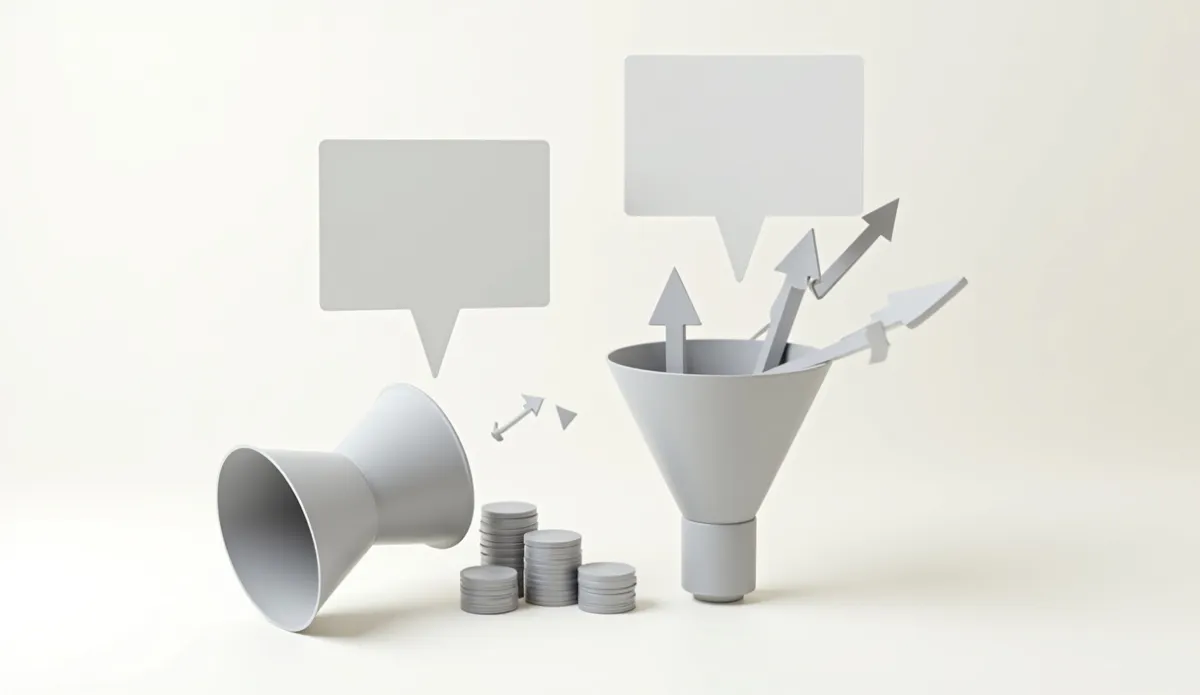
Taboola en Google Ads zijn niet uitwisselbaar — ze kopen verschillende momenten. Google Ads vangt bestaande vraag op: iemand typt een probleem of product in een zoekvak en jij biedt om het antwoord te zijn. Taboola creëert vraag: je advertentie onderbreekt iemand die een nieuwsartikel leest en helemaal niet aan jou dacht. Als je kopers actief zoeken naar wat je verkoopt, wint Google altijd op intentie. Als zoeken is gemaximaliseerd, onbetaalbaar is, of je aanbieding een verhaal nodig heeft voordat iemand erop zou zoeken, biedt Taboola goedkoop, schaalbaar bereik — maar alleen via content-gedreven funnels gebouwd voor koud verkeer. De meeste volwassen accounts draaien uiteindelijk beide, op verschillende funnelstadia.
Twee platforms, twee momenten van aandacht#
Het kernproduct van Google Ads is zoeken: iemand typt "beste sta-bureau" of "autoverzekering offerte" en adverteerders bieden om als antwoord te verschijnen. De intentie is expliciet, de veiling is keyword-gedreven, en de klik arriveert warm. Google verkoopt ook Display, YouTube en Performance Max-inventory, maar zoekintentie is het enige dat je nergens anders kunt kopen — en dat is waar je een premie voor betaalt.
Taboola verkoopt aandacht in een ander moment. De plaatsingen zijn native advertentie-widgets — de "gesponsorde" feeds onder en in artikelen op duizenden uitgeversites. De persoon die je advertentie ziet, leest nieuws- of lifestylecontent en was niet naar jou op zoek. Je creative moet de interesse creëren die een Google-zoeker al heeft. (Voor de volledige mechanica — plaatsingen, bieden, targeting — zie onze gids over hoe Taboola-advertenties werken.)
Dat ene verschil — vraag vangen versus vraag creëren — drijft elk praktisch verschil stroomafwaarts: kosten, creatives, landingspagina's, meting en schaal.
Head-to-head: de praktische verschillen#
| Dimensie | Google Ads (Zoeken) | Taboola |
|---|---|---|
| Gebruikersintentie | Expliciet — ze zochten erop | Latent — ze lazen iets anders |
| Targeting-primitief | Keywords plus audience-signalen | Uitgeverscontext, geo, apparaat, audiences |
| Creative-eenheid | Tekstadvertentie (responsive search ads) | Thumbnail-afbeelding plus headline |
| Funnel-stadium | Onder en midden | Boven en midden |
| Landingspagina die werkt | Product- of aanbiedingspagina | Advertorial of pre-lander, dan de aanbieding |
| Conversieratio | Hoger (warme intentie) | Lager (koude onderbreking) |
| Schaalplafond | Beperkt door zoekvolume | Effectief onbeperkt; kwaliteit varieert |
| Kernvaardigheid | Keyword-onderzoek, Quality Score | Creative-testen, uitgeverscuratie |
De schaalrij verdient nadruk. Het zoekvolume voor je exacte keywords is eindig; zodra je ze domineert, koopt extra budget afnemende klikken. Native-inventory is vele malen groter — de beperkende factor is niet hoeveel impressies er zijn, maar hoeveel er winstgevend converteren in de huidige staat van je funnel.
Wat elk kost — eerlijk gezegd#
Zoek-CPC's in competitieve commerciële verticals — verzekeringen, juridisch, financiën — zijn berucht duur; die druk is precies waarom verhaalgedreven adverteerders budget blijven verplaatsen naar native. Op Taboola melden mediabuyers vaak Tier-1 desktop CPC's van ongeveer $0,20 tot $0,90, met mobiel vaak goedkoper. Beschouw die als onofficiële, door praktijkmensen gerapporteerde ranges: je vertical, geo en creative-kwaliteit zullen ze sterk beïnvloeden. Onze native ads CPC benchmarks splitsen uit wat kopers per netwerk melden, en hoeveel native advertenties kosten behandelt full-funnel-budgettering.
De valkuil is het vergelijken van ruwe CPC over de twee platforms. Een Taboola-klik tegen een fractie van een Google-klik is niet automatisch goedkopere acquisitie: de native klik is kouder, converteert tegen een lager tarief en heeft meestal een extra funnel-stap nodig. Vergelijk kosten per acquisitie na de funnel, nooit kosten per klik ervoor.
Het creative-gat: keywords versus verhalen#
Winnen op Google Zoeken is een message-match-discipline: weerspiegel de zoekopdracht, haal de Quality Score-drempel, stuur de klik naar een pagina die precies beantwoordt wat werd gevraagd. Het creative-werk is meestal verbaal en structureel.
Winnen op Taboola is een redactionele discipline. Je eenheid is een thumbnail en een nieuwsgierigheid-gedreven headline die concurreert met echte nieuwsheadlines voor de volgende klik van een lezer. Het dominante playbook is de advertorial-funnel: de advertentie leest als een verhaal, de pre-lander verkoopt het mechanisme, de aanbiedingspagina sluit af. Headline-vakmanschap is belangrijk genoeg dat we de terugkerende formules hebben gecatalogiseerd in native ad headlines die klikken krijgen.
De vertical-mix vertelt je welke aanbiedingen gedijen in dat formaat. In de index van OpenAdLibrary van 206.000+ live Taboola-creatives (juni 2026) zijn de grootste geclassificeerde verticals gezondheid (11.982 creatives), financiën (8.200) en verzekeringen (7.422) — categorieën waar een verhaal ("het mechanisme achter het product", "de regelwijziging die jou raakt") beter verkoopt dan een specificatieblad.
Waar elk past in je funnel#
De verstandige manier om beide platforms te hanteren is per funnel-stadium, niet het een of het ander:
- Google Zoeken = vangen. Bezit je merktermen en de hoog-intentie commerciële keywords die je kunt betalen. Dit is je basis, en het verdedigt omzet die je al hebt verdiend.
- Taboola = creëren. Verspreid verhaalgedreven content op schaal naar koude audiences, voed het midden van de funnel, en genereer merkzoekopdrachten die je zoekcampagnes dan opvangen.
- Retargeting verbindt de twee. Native-verkeer dat je advertorial las maar niet kocht, is een warme audience voor zoeken, social en native retargeting.
Een patroon dat ervaren buyers in de gaten houden: wanneer een native campagne schaalt, neigen merkzoek-impressies op Google binnen dagen toe te nemen. Als je beide draait, zie je de assist van native in je zoektermenrapport lang voordat een last-click-dashboard het crediteert.
Meting: last-click bevoordeelt Google#
Attributie verdient een eigen waarschuwing. Google Zoeken zit aan het einde van de reis, dus last-click-modellen geven het credit voor vraag die iets anders creëerde. Taboola zit aan het begin, dus dezelfde modellen tellen het systematisch te laag. Als je een native-test puur beoordeelt op last-click ROAS in de eerste twee weken, zul je hem bijna altijd stoppen — soms terecht, vaak niet. Houd blended CPA, merkzoek-stijging en nieuwe-klantratio in de gaten naast platform-gerapporteerde cijfers voordat je beslist.
Kies Google Ads als…#
- Je kopers al zoeken naar het probleem dat je oplost, en de CPC's betaalbaar zijn bij je marges.
- Je deze week conversies nodig hebt, niet na een creative-testfase.
- Je creative-bronnen beperkt zijn — zoeken vereist keyword-werk, niet een gestage stroom nieuwe afbeeldingen en advertorials.
- Je verkoopt tegen expliciete vergelijkingsintentie: offertes, prijzen, "beste X voor Y".
Kies Taboola als…#
- Zoeken op je termen is gemaximaliseerd of onbetaalbaar en je hebt een nieuwe schaalbron nodig.
- Je aanbieding baat heeft bij uitleg of verhaal — gezondheid, huisproducten, financieel advies, discovery ecommerce — in plaats van specificatievergelijking.
- Je creatives in volume kunt produceren en testen en pre-lander-funnels kunt bouwen voor koud verkeer.
- Je meet op CPA en LTV met wat geduld, niet op same-session ROAS.
Het sequentiële playbook als je beide draait#
- Zorg eerst voor vangst. Merktermen en bewezen winstgevende non-brand zoekopdrachten. Financier nooit koud verkeer terwijl je warme zoekopdrachten aan concurrenten overlaat.
- Onderzoek de native kant voordat je uitgeeft. Bestudeer wat er al draait in jouw categorie op Taboola — welke adverteerders, welke invalshoeken en welke advertenties wekenlang overleven. Advertentielanglevendheid is de dichtstbijzijnde openbare proxy voor "dit is winstgevend". Je kunt de live corpus doorbladeren op adverteerder, vertical en geo met OpenAdLibrary's Taboola-tool.
- Bouw de funnel voor koud verkeer. Een advertorial of listicle pre-lander, dan de aanbieding. Taboola-klikken naar een voor zoeken geoptimaliseerde landingspagina sturen is de meest voorkomende manier om ten onrechte te concluderen dat "Taboola niet werkt."
- Lanceer met een creative-batch, niet één creative. Meerdere invalshoeken en thumbnails; verwacht dat de winnaar je verrast, en verwacht dat het grootste deel van de batch verliest.
- Lees de cross-channel-effecten. Merkzoekvolume, direct verkeer, groei van retargeting-pool — de bijdrage van native verschijnt daar eerst.
Als je Taboola afweegt tegen een ander native netwerk in plaats van tegen zoeken, zie Taboola vs Outbrain. En wie adverteert op Taboola is de snelste manier om te controleren of bedrijven zoals de jouwe al toegewijd zijn aan het platform — het sterkste enkele signaal dat jouw categorie er kan werken.