English
 Español
 Português (Brasil)
 Français
 Deutsch
 Italiano
 Nederlands
 Polski
 Svenska
 Türkçe
 Русский
 日本語
日本語 한국어
한국어 简体中文
简体中文 Tiếng Việt
 繁體中文
繁體中文 Čeština
 Dansk
Dansk Norsk (bokmål)
 Suomi
Suomi Ελληνικά
 Română
 Magyar
 Українська
 ไทย
ไทย हिन्दी
 العربية
 עברית
עבריתFunnel Halaman Arahan untuk Traffic Native (Iklan → Pre-Lander → Offer)
Traffic native tidak konversi pada klik, ia konversi pada rantainya. Berikut cara iklan, pre-lander, dan offer saling terhubung dan mengapa kontinuitas pesan menentukan margin Anda.

Traffic native menghukum funnel yang ceroboh lebih keras daripada hampir semua saluran yang saya beli. Kliknya dingin, digerakkan rasa ingin tahu, dan murah, yang berarti Anda tidak pernah menghasilkan uang dari kliknya. Anda menghasilkan (atau kehilangan) uang di sepanjang rantai yang mengikutinya: iklan, halaman yang menangkap klik, dan offer yang akhirnya meminta kartu atau email. Jika rantainya benar, kreatif yang biasa-biasa saja pun bisa mencetak uang. Jika salah, kreatif yang brilian hanya membeli bounce rate untuk Anda.
Panduan ini membahas seluruh rantai, dari iklan ke pre-lander ke offer, dan menunjukkan bagaimana advertiser yang tahan lama mempertahankan "scent" di setiap langkah. Saya akan mengandalkan satu metode yang benar-benar mengungkapkannya: mempelajari pasangan kreatif-plus-landing yang ditangkap dari kampanye langsung, bukan menebak dari iklan saja. Untuk konteks skala, indeks OpenAdLibrary saat ini menyimpan 589.036 kreatif yang ditangkap, 926.259 tangkapan halaman landing, dan lebih dari 5,4 juta observasi iklan di 42 jaringan (Juni 2026). Angka terakhir itulah intinya. Halaman landing juga ditangkap, dan di sanalah funnel sebenarnya hidup.
Apa itu funnel traffic native?#
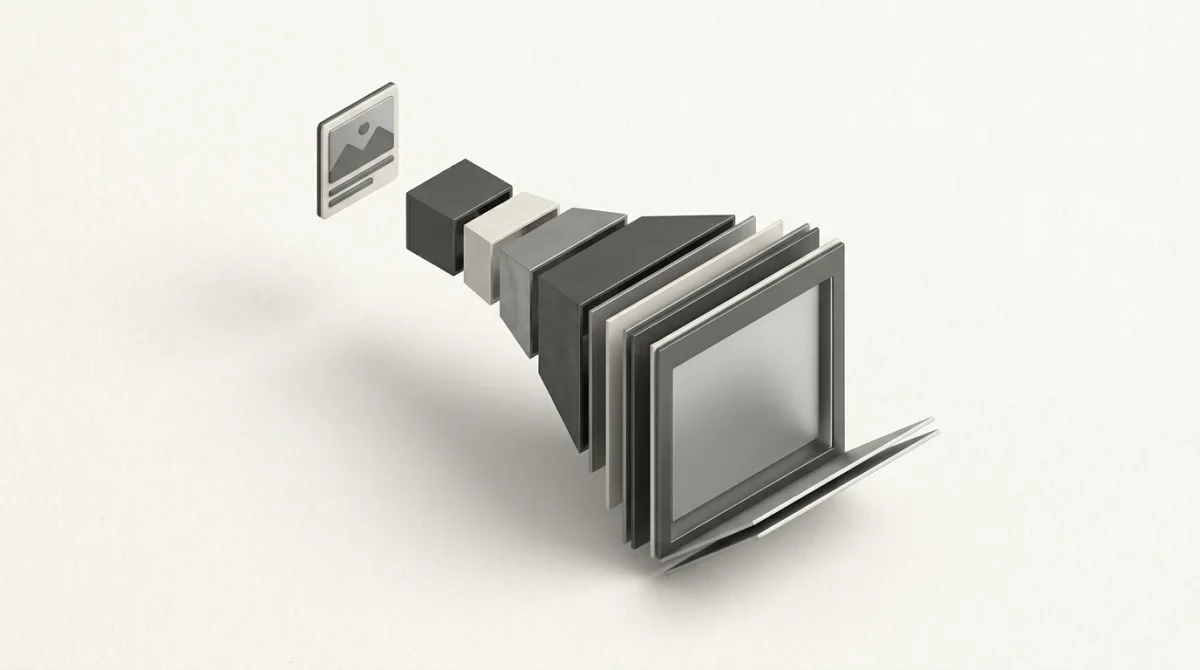
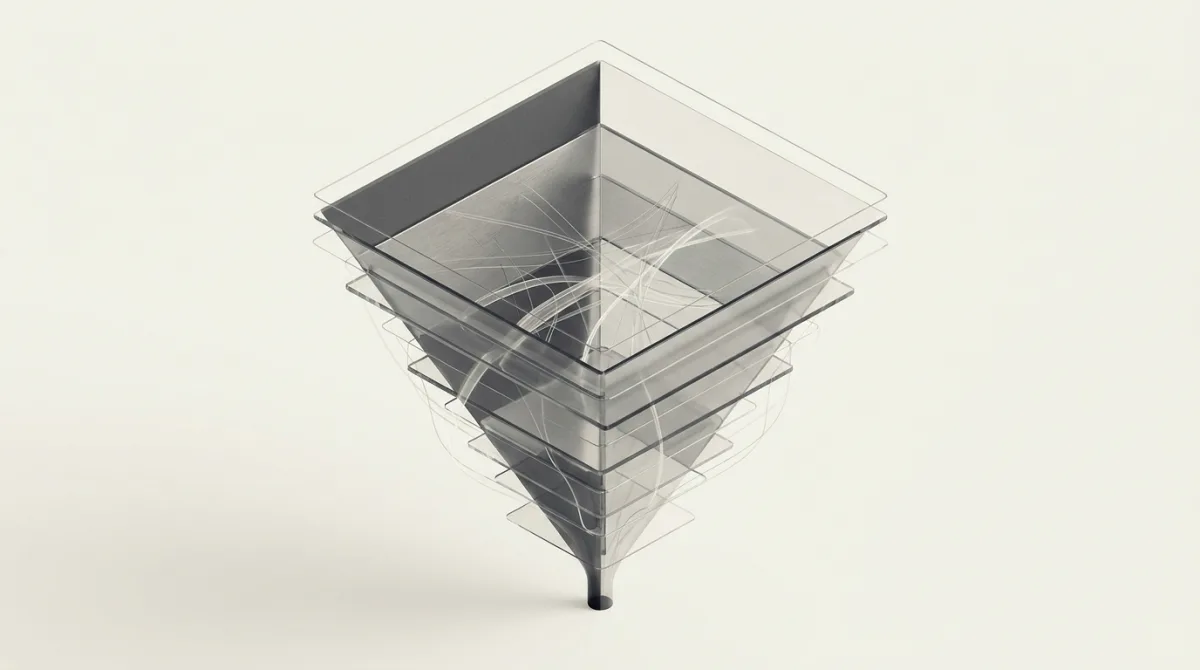
Funnel traffic native adalah urutan yang dilalui pengguna setelah melihat penempatan native: kreatif iklan di dalam widget iklan native, lalu pre-lander (biasanya advertorial, kuis, atau listicle yang menghangatkan klik dingin), kemudian halaman offer tempat konversi terjadi. Setiap langkah memiliki tepat satu pekerjaan, yaitu mendapatkan klik berikutnya, dan masing-masing harus menjaga janji yang dibuat oleh langkah sebelumnya.
Bagian terakhir itulah inti permainannya. Funnel itu bukan tiga halaman independen. Itu adalah satu argumen berkelanjutan yang disampaikan dalam tiga babak.
Berikut contoh langsung babak pertama. Ini berjalan 13 hari di Taboola, yang di native adalah sinyal nyata, dan Anda sudah bisa merasakan seluruh funnel yang tersirat di baliknya.

Anda bisa menebak pre-landernya sebelum melihatnya: advertorial tentang penghapusan utang IRS, tenggat waktu yang berdetak, kuis kualifikasi, lalu offer penghapusan pajak. Iklan memasang perangkap. Halaman-halaman menjebaknya.
Tiga tahapan, dan apa yang sebenarnya dilakukan masing-masing#
Orang sering mengatakan "funnel" secara longgar, jadi mari kita presisi tentang apa yang dilakukan setiap tahap, karena tuasnya berbeda di setiap tahap.
| Tahap | Pekerjaan utama | Apa yang dipikirkan pengguna | Tuas utama |
|---|---|---|---|
| Kreatif iklan | Membeli klik dengan murah, memasang kail | "Tunggu, apa ini?" | Gambar + sudut headline |
| Pre-lander | Mengubah rasa ingin tahu menjadi keyakinan, mempra-kualifikasi | "Apakah ini nyata? Apakah ini untuk saya?" | Cerita, bukti, kontinuitas scent |
| Halaman offer | Menangkap konversi | "Apakah saya bertindak sekarang?" | Value prop, friksi, urgensi |
Tugas iklan bukanlah menjual. Di native, iklan yang mencoba menutup di headline biasanya kalah dalam lelang CTR dan menghabiskan biaya berlebih untuk klik dingin yang tidak memenuhi syarat. Tugasnya adalah memicu klik dengan biaya terendah yang layak sambil menanamkan satu ide spesifik.
Pre-lander melakukan pekerjaan berat. Di sinilah pengunjung dingin mendapatkan konteks, narasi, dan bukti yang cukup untuk menginginkan offer. Pada vertikal yang mendominasi native, langkah ini tidak bisa ditawar. Keuangan memimpin seluruh indeks dengan 17.232 kreatif, lalu asuransi di 15.629 dan kesehatan di 14.895 (OpenAdLibrary, Juni 2026). Itu adalah kategori yang persis di mana direct-to-offer gagal, karena halaman offer mengasumsikan kehangatan yang tidak dimiliki klik dingin. Pre-lander memproduksi kehangatan itu.
Halaman offer menutup. Ia milik advertiser atau jaringan, seringkali bagian rantai yang paling kaku (afiliasi sering tidak bisa menyentuhnya), jadi pre-lander harus dibangun untuk cocok dengannya, bukan sebaliknya.
Funnel itu bukan iklan-lalu-halaman-lalu-halaman. Itu adalah satu janji yang dinyatakan ulang tiga kali, setiap pernyataan ulang meningkatkan komitmen tanpa memutus kontinuitas. Saat sebuah pernyataan ulang bertentangan dengan yang sebelumnya, pengunjung merasakan umpan-dan-beralih dan pergi.
Scent: metrik yang menentukan margin Anda#
Dipinjam dari teori information-foraging, information scent adalah kontinuitas pesan, pencitraan, dan janji di seluruh funnel. Scent yang kuat berarti pengunjung yang mengklik iklan tentang "perangkat kecil yang digunakan pensiunan untuk memotong tagihan listrik" mendarat di pre-lander tentang persis perangkat itu, dengan gambar itu, mengarah ke offer untuk produk itu. Scent yang lemah berarti iklan menggoda satu hal dan halaman menyampaikan hal lain yang samar-samar terkait.
Scent adalah faktor tunggal yang paling dapat dikendalikan untuk performa funnel native, dan ia berjalan pada empat sumbu:
- Scent visual. Gambar utama iklan (atau bingkai yang hampir identik) muncul kembali di pre-lander. Itu adalah sinyal penenang tercepat yang dapat diproses otak.
- Scent headline. Celah rasa ingin tahu yang dibuka iklan diakui dan dilanjutkan, bukan ditinggalkan, di layar pertama pre-lander.
- Scent nada bicara. Iklan advertorial "seperti-dilihat-di-berita" seharusnya tidak membuang pengunjung ke sales letter yang keras. Registernya harus terbawa.
- Scent janji. Klaim atau hasil spesifik tetap konstan dari iklan ke offer. Ubah angkanya, mekanismenya, atau manfaatnya dan kepercayaan runtuh.
Lihat iklan alat bantu dengar ini. Ia berjalan 26 hari, yang mendekati puncak dari apa yang dapat diamati indeks kami saat ini per kreatif.

Perhatikan janjinya sempit dan spesifik: "perangkat baru ini," bukan "pendengaran yang lebih baik." Funnel seperti ini hidup atau mati berdasarkan apakah pre-lander menunjukkan perangkat itu dan offer menjual perangkat itu. Saat halaman menukar dengan pitch alat bantu dengar generik, scent janji putus dan 26 hari pembelajaran berbayar menguap. Ketika keempat sumbu bertahan, pengunjung tidak pernah mengalami momen "tunggu, saya di mana?", dan ketiadaan friksi itulah yang mengonversi. Funnel terbaik bukanlah yang pintar. Mereka konsisten.
Bagaimana advertiser top benar-benar membangun rantai#
Reverse-engineer cukup banyak funnel native langsung dan seperangkat pola yang dapat diulang muncul. Ini adalah struktur yang bertahan cukup lama hingga menguntungkan, dan longevity itu sendiri adalah buktinya, karena funnel yang kalah dibunuh dalam hitungan hari.
- Jembatan gambar. Gambar kreatif persis dari iklan adalah hal pertama di pre-lander, seringkali di atas fold. Nol biaya kognitif untuk mengonfirmasi "ya, ini hal yang saya klik."
- Kalimat yang berlanjut. Headline iklan terbaca seperti paruh pertama pemikiran, dan headline pre-lander menyelesaikannya. Pengunjung merasa mereka menyelesaikan apa yang mereka mulai.
- Bingkai kredibilitas. Advertorial meminjam bahasa visual editorial, byline, dateline, bagian komentar, untuk memberikan otoritas pihak ketiga pada klaim. Ini persis format yang diawasi FTC, lebih lanjut di bawah. Lihat teardown nyata di panduan kami tentang anatomi halaman landing advertorial dan breakdown format pre-lander.
- Tujuan CTA tunggal. Setiap tautan di pre-lander, teks, tombol, gambar, mengarah ke URL offer yang sama. Funnel pemenang tidak menawarkan pilihan. Mereka memfunnel.
- Gerbang kualifikasi. Pre-lander kuis dan survei menambah komitmen mikro ("Manakah yang paling menggambarkan Anda?") yang menghangatkan dan mengelompokkan pengunjung sebelum offer, meningkatkan konversi halaman offer dengan menyaring yang sekadar penasaran.
Pola kuis sangat andal sehingga mendominasi papan peringkat longevity kami. Merek "My IQ" sendiri memegang beberapa slot di set dengan durasi terlama kami, semuanya 28 hari, semuanya variasi dari hook kuis yang sama ("Take a 3m quiz to get your IQ," "Start The IQ Test," "What's Your IQ Level?"). Satu offer, banyak sudut, digiling di seluruh Microsoft Audience Network. Pengulangan itu bukan kemalasan. Itu adalah tanda bahwa funnel berfungsi dan mereka menskalakan sudutnya, bukan mencari yang baru.
Pola-pola ini berulang di berbagai vertikal pemasaran afiliasi karena mereka memecahkan fisika yang sama: pengunjung yang dingin, skeptis, teralihkan yang harus diantar, bukan didorong, menuju offer afiliasi.
Mengapa Anda tidak bisa mengoptimalkan apa yang tidak bisa Anda lihat#
Inilah masalah struktural dengan sebagian besar riset iklan. Alat spy dan perpustakaan iklan menunjukkan kreatifnya. Mereka menunjukkan headline dan gambarnya. Mereka jarang menunjukkan kepada Anda, dengan kesetiaan penuh, berpasangan, dan persisten, rantai halaman landing yang ditunjuk oleh kreatif itu. Jadi Anda mempelajari bagian termudah dari funnel (iklan) dan tetap buta terhadap bagian yang sebenarnya menentukan apakah itu mengonversi (halaman-halamannya).
Mempelajari kreatif secara terpisah mengajarkan Anda apa yang diklik. Itu tidak mengajarkan Anda apa pun tentang apa yang mengonversi. Di native, konversi hidup di hilir klik.
Perbaikannya adalah menganalisis pasangan: kreatif yang ditangkap dan tujuan landing yang dilacak, bersama-sama, sebagai satu unit. Itulah satu-satunya cara untuk melihat scent, karena scent hanya ada dalam hubungan antar langkah. Anda memverifikasi scent visual dengan membandingkan gambar iklan dengan gambar halaman. Anda memverifikasi scent headline dengan membaca salinan iklan terhadap layar pertama halaman. Tidak ada yang mungkin dilakukan dari iklan saja.
Ambil contoh yang ini. Headline-nya adalah seluruh sudut pre-lander di muka.

"Tested," "The Results Are Baffling," harga spesifik. Iklan itu menjanjikan ulasan produk, jadi satu-satunya pre-lander yang mempertahankan scent adalah yang terbaca seperti ulasan: seorang penguji, sebuah putusan, foto unit, lalu offer. Jika Anda hanya pernah melihat kreatifnya, Anda akan menyalin "Tested:" dan bertanya-tanya mengapa pre-lander sales letter Anda gagal. Ketidakcocokan itu tidak terlihat sampai Anda meletakkan pasangan itu berdampingan.
Inilah kesenjangan yang dirancang untuk ditutup oleh OpenAdLibrary. Ia menangkap iklan native publik langsung di seluruh Taboola, Outbrain, MGID, Revcontent, Teads, Yahoo, dan MSN, menyimpan gambar kreatif asli dengan kualitas penuh, menyebutkan advertiser sebenarnya di balik penempatan, dan mengikuti setiap klik ke tujuan landing tanpa mengklik iklan langsung, sehingga Anda mempelajari rantai iklan-ke-pre-lander-ke-offer sebagai satu pasangan yang ditangkap. Karena penempatan dilacak dari waktu ke waktu, sinyal longevity dan spread memberi tahu Anda funnel mana yang bertahan (dan karenanya mungkin menguntungkan) versus yang diuji dan dihentikan. Taboola saja menyumbang 157.727 dari kreatif kami yang ditangkap, dengan keuangan dan kesehatan sebagai dua vertikal terbesarnya, jadi funnel keuangan dan kesehatan di atas bukanlah outlier. Mereka adalah pusat gravitasi.
Alur kerja praktis untuk reverse-engineering sebuah funnel#
Setelah Anda dapat melihat seluruh funnel alih-alih kreatif yatim piatu, analisisnya menjadi metodis. Berikut loop yang saya jalankan:
- Temukan persistensi, bukan sekadar kehadiran. Filter untuk kreatif yang telah berjalan selama berminggu-minggu di beberapa situs. Longevity adalah proxy gratis terdekat yang Anda miliki untuk profitabilitas. Tidak ada yang membayar untuk menjalankan funnel yang kalah selama sebulan. Sebagai referensi, kreatif tertua yang saat ini dilacak indeks kami berada di sekitar 28 hari observasi berkelanjutan, jadi runner 26 atau 27 hari adalah pemenang serius, bukan noise. (Lore industri tentang "funnel evergreen 90 hari" cukup nyata, tapi itu pengetahuan umum, bukan sesuatu yang diukur oleh jendela kami saat ini.)
- Ambil halaman landing berpasangan. Untuk setiap kreatif yang bertahan, buka tujuan landing yang dilacaknya. Sekarang Anda melihat funnel, bukan iklan.
- Nilai scentnya. Telusuri keempat sumbu: visual, headline, nada bicara, janji. Catat persis di mana dan bagaimana pre-lander menyambung kembali ke iklan. Teknik penyambungan kembali adalah aset yang dapat digunakan kembali.
- Identifikasi strukturnya. Pre-lander advertorial, kuis, listicle, atau video? Petakan bagian-bagiannya (hook, cerita, bukti, transisi, CTA) dan di mana tautan offer berada.
- Lacak ke offer. Konfirmasi apa yang sebenarnya dijual dan oleh siapa. Offer yang sama di balik sepuluh sudut berbeda memberi tahu Anda offer itu panas dan sudut adalah medan pertempuran.
- Katalogkan sudutnya, bukan asetnya. Jangan menyalin halamannya. Ekstrak sudut dan teknik scent yang mendasarinya, lalu bangun kembali untuk offer Anda sendiri. Menyalin halaman secara langsung menghasilkan halaman landing tiruan, yang merupakan jalan buntu hukum dan kompetitif.
Berikut kandidat bagus untuk langkah 1, iklan baterai surya yang telah berjalan 27 hari.

"Electricians agree about 1 thing" adalah celah rasa ingin tahu klasik dengan bingkai otoritas bawaan. Pre-landernya hampir pasti dibuka dengan menyebutkan satu hal itu (kalimat yang berlanjut) di bawah pencitraan yang sama (jembatan gambar), lalu mengarahkan melalui pemeriksaan kode pos atau kelayakan (gerbang kualifikasi) ke offer subsidi. Dua puluh tujuh hari berarti operator telah membayar untuk mempelajari bahwa urutan persis ini bertahan. Itulah jenis intelijen yang hanya dapat Anda ekstrak dari pasangan.
Untuk versi langkah 2 dan 5 yang lebih mendalam dan dapat diulang, lihat walkthrough kami tentang menemukan halaman landing pesaing dari iklan native dan menganalisis funnel iklan lengkap pesaing.
Kesalahan umum yang merusak funnel#
Sebagian besar funnel native yang berkinerja buruk gagal di sambungannya, bukan di halamannya. Penyebab biasa:
Penukaran gambar di pre-lander. Gambar utama yang berbeda memutus scent visual dalam 50 milidetik pertama, sebelum satu kata pun terbaca.
Whiplash nada bicara. Iklan dengan nuansa editorial yang lembut membuang ke sales letter yang agresif. Register putus dan kepercayaan ikut.
Inflasi janji. Pre-lander diam-diam meningkatkan klaim sederhana iklan menjadi sesuatu yang lebih besar. Pengunjung skeptis memperhatikan, dan mereka keluar.
Banyak pintu keluar. Pre-lander yang menautkan ke blog, menu, offer kedua. Setiap pintu keluar alternatif adalah kebocoran.
Pre-lander yang tidak mempra-kualifikasi. Jika semua orang mencapai offer, halaman offer yang melakukan penyaringan, dengan conversion rate yang jauh lebih buruk dan cost per acquisition yang jauh lebih tinggi.
Di mana kepatuhan masuk ke dalam rantai#
Pre-lander advertorial hidup di ruang yang diatur. Panduan iklan native FTC AS eksplisit: ketika format konten dapat menyesatkan konsumen yang wajar untuk mengira itu adalah konten editorial independen daripada iklan berbayar, pengungkapan yang jelas dan mencolok ("Ad," "Advertisement," "Sponsored," atau serupa) diperlukan, ditempatkan di mana orang akan benar-benar melihatnya sebelum mereka terlibat. Semakin dekat pre-lander Anda meniru situs berita nyata, semakin diperlukan pengungkapan itu.
Ini bukan hanya catatan hukum. Ini adalah sinyal kualitas funnel. Saat Anda reverse-engineer pesaing, perhatikan bagaimana operator yang tahan lama dan berjalan lama menangani pengungkapan. Advertorial ceroboh yang tidak diungkapkan adalah yang ditarik, oleh jaringan, penerbit, atau regulator, itulah sebabnya mereka tidak muncul sebagai yang persisten dalam data. Kepatuhan dan longevity berkorelasi.
Menyatukan semuanya#
Funnel native adalah sebuah rantai, dan rantai putus di mata rantai terlemah. Advertiser yang menang bukanlah yang memiliki satu halaman paling pintar. Mereka adalah yang iklan, pre-lander, dan offernya mengatakan hal yang sama dalam komitmen yang meningkat, dengan gambar, headline, dan janji mempertahankan scent sepanjang jalan. Anda belajar membangunnya dengan melihatnya: mempelajari funnel nyata yang persisten sebagai pasangan kreatif-plus-landing yang ditangkap, menilai scent mereka, dan mengekstrak sudutnya daripada asetnya.
Ingin mempelajari seluruh funnel alih-alih kreatif yatim piatu, iklan native nyata yang dipasangkan dengan halaman landing yang dilacak, advertiser sebenarnya disebutkan, dan sinyal longevity yang menandai pemenang? Mulai gratis dan jelajahi 200 iklan tanpa kartu diperlukan.