English
 Português (Brasil)
 Français
 Deutsch
 Italiano
 Nederlands
 Polski
 Svenska
 Türkçe
 Русский
 日本語
日本語 한국어
한국어 简体中文
简体中文 Tiếng Việt
 Bahasa Indonesia
 繁體中文
繁體中文 Čeština
 Dansk
Dansk Norsk (bokmål)
 Suomi
Suomi Ελληνικά
 Română
 Magyar
 Українська
 ไทย
ไทย हिन्दी
 العربية
 עברית
עבריתCómo encontrar y analizar las landing pages de la competencia a partir de anuncios nativos
La parte difícil de la investigación de competencia no es ver el anuncio, es encontrar dónde aterriza el clic. Aquí te mostramos cómo rastrear un anuncio nativo hasta la landing page real, capturar la evidencia y leer el embudo.

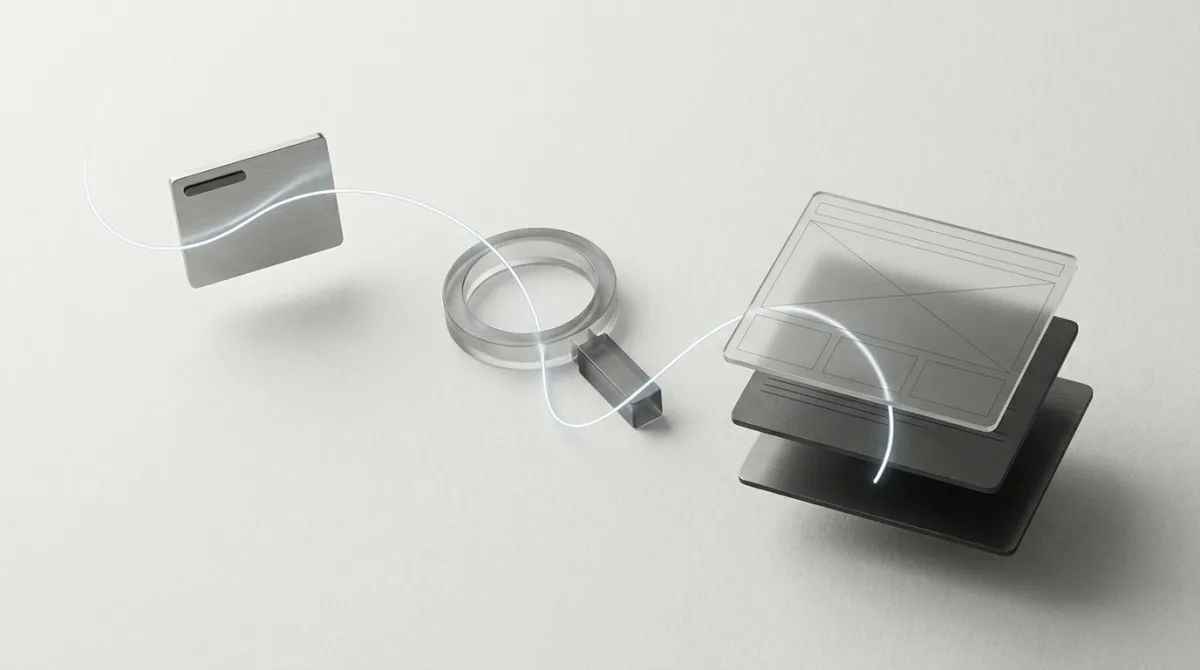
El anuncio es la parte fácil. Cualquiera puede desplazarse por un sitio de editor y capturar una pantalla de un widget de anuncio nativo. La parte costosa de la investigación de competencia es el siguiente clic: ¿a dónde va realmente ese anuncio, qué página recibe al lector y está generando dinero toda la ruta? Ese destino, la landing page y todo lo que hay entre el anuncio y la oferta, es donde la estrategia de un competidor queda completamente expuesta. El ángulo. La prueba. El precio. La garantía. El flujo de checkout. También es la parte que la mayoría de las "herramientas de espionaje" omiten, porque seguir un clic hasta su final y almacenar lo que encuentras es genuinamente difícil de hacer a escala.
Este es el método para hacerlo correctamente. Cómo ir desde una creatividad de anuncio nativo hasta la landing page real del anunciante, cómo capturar evidencia auditable de la ruta completa y cómo leer esa página para identificar las decisiones que realmente marcaron la diferencia.
La versión corta: cómo encontrar las landing pages de la competencia#
Para encontrar la landing page de un competidor, rastrea la ruta de clic del anuncio nativo hasta su destino en lugar de hacer clic tú mismo en el anuncio en vivo. La forma confiable es una plataforma de inteligencia publicitaria que ya haya seguido cada anuncio hasta la landing page del anunciante y haya almacenado la URL de destino, cualquier redirección o pre-lander, y la página capturada como evidencia. Ves el embudo completo, de forma segura, a través de geografías y a lo largo del tiempo.
Ese párrafo es el trabajo completo en miniatura. El resto de esta guía es el detalle que separa una respuesta útil de una engañosa. Para contexto sobre escala: el índice de OpenAdLibrary contiene más de 926,000 capturas de landing pages vinculadas a más de 589,000 creatividades de más de 25,900 anunciantes en 42 redes (índice de OpenAdLibrary, junio 2026). Ese volumen es la única razón por la que los pasos a continuación funcionan sin que toques una sola campaña en vivo.
Por qué hacer clic en el anuncio en vivo es el movimiento incorrecto#
El enfoque intuitivo, hacer clic en el anuncio y ver a dónde va, es el que hay que evitar. Tres razones.
Le cuesta dinero al anunciante y contamina sus datos. Cada clic en un anuncio nativo en vivo es un evento facturado. Los clics repetidos de investigadores parecen tráfico no válido y pueden distorsionar la propia optimización del anunciante. Mala educación, peor higiene de señal.
Solo ves una versión. Las campañas nativas están fuertemente geo-targeted y dirigidas por dispositivo. La página que ve un usuario móvil en EE. UU. puede ser un embudo completamente diferente al que obtiene un usuario de escritorio en el Reino Unido. Un clic desde tu silla te muestra una porción y oculta el resto. Toma este anuncio financiero en vivo que capturamos: el ángulo "el IRS perdona millones" está ajustado para una audiencia estadounidense que se acerca a una fecha límite de impuestos. Un lector en Sídney nunca lo vería, y un solo clic manual nunca te diría eso.

La ruta está diseñada para ser opaca. Los clics se enrutan a través de redirecciones de seguimiento, intercambios de nativo programático y capas de ocultamiento. Un solo clic manual rara vez revela la cadena completa, y a veces revela un señuelo deliberadamente benigno.
El objetivo no es visitar la landing page de un competidor. Es reconstruir la ruta: creatividad del anuncio, cada redirección, el pre-lander y la oferta, como evidencia que puedes comparar a través del tiempo y la geografía. Una captura de pantalla de una página de checkout por sí sola te dice casi nada.
Por eso trabajar con datos capturados supera hacer clic en vivo. Una plataforma que sigue la ruta del clic en su propia infraestructura, no activando clics facturados en ubicaciones en vivo, puede almacenar la URL de destino, los saltos intermedios y una captura de calidad completa de la página, luego mostrarte ese registro sin que tú toques nunca la campaña del anunciante. OpenAdLibrary sigue cada anuncio capturado hasta la landing page del anunciante y guarda esa evidencia en archivo, que es lo que hace posible el mapeo de anuncio a embudo a continuación.
La ruta de anuncio a embudo que realmente estás reconstruyendo#
Antes de analizar nada, ten el modelo mental correcto. Un embudo nativo moderno casi nunca va de anuncio a página de producto. Pasa por etapas, y cada etapa es una elección deliberada.
| Etapa | Qué es | Qué te dice |
|---|---|---|
| Creatividad | La imagen más el titular en el widget | El gancho y la audiencia que el anunciante está probando |
| Redirección / tracker | Saltos de clic-through e intercambio | La cadena de suministro de ad-tech y cualquier ocultamiento |
| Pre-lander | Un advertorial o página puente | El ángulo, la historia, el manejo de objeciones |
| Página de oferta | La página real de producto o checkout | Precio, garantía, pago, upsells |
Las dos etapas intermedias son donde está el dinero. La mayoría de los principiantes se detienen en "venden un suplemento". Los operadores leen el pre-lander y entienden por qué se vende el suplemento. Si el concepto de embudo es nuevo para ti, el pilar sobre pre-landers y embudos de advertorial es el lugar para empezar, y el desglose más profundo de anuncio a pre-lander a oferta recorre la cadena completa etapa por etapa.
Paso 1, Empieza desde el anuncio, no desde la marca#
Contraintuitivamente, el mejor punto de entrada suele ser una creatividad, no un nombre de empresa. Los anunciantes nativos a menudo operan bajo nombres de marca pantalla, nombres de tiendas white-label o identidades de anunciantes rotativas precisamente para que sean difíciles de rastrear por nombre. La creatividad es la huella digital duradera.
En la práctica, busca por lo que realmente puedes ver.
El gancho o ángulo: "deja de desplazarte", "los médicos están furiosos", "1 truco extraño", una afirmación de celebridad, una brecha de curiosidad. Busca en la biblioteca de creatividades anuncios que usen ese patrón. La plantilla de "rellena el espacio en blanco" "Médicos identifican 10 medicamentos ahora vinculados a problemas de memoria (ve la lista)" es una que verás cien variantes una vez que conozcas la forma.

El vertical y la red: filtra por tu categoría en las redes que te interesan. Finanzas es el vertical más grande en nuestro índice con 17,232 creatividades, con seguros (15,629) y salud (14,895) justo detrás (OpenAdLibrary, junio 2026), así que si vendes en esos, estás pescando en un estanque abastecido. En Taboola específicamente, salud lidera con 6,048 creatividades y finanzas sigue con 5,558. En MGID la imagen cambia por completo: el entretenimiento domina con 8,904 creatividades, lo que te dice hacia dónde se inclina realmente el tráfico de cada red antes de gastar un dólar.
El estilo de imagen: fotos de teléfono estilo UGC, antes/después, imágenes de stock dramáticas, flechas dibujadas a mano. Estos se agrupan por anunciante y por lo que está funcionando ahora mismo.
Una herramienta de espionaje de anuncios nativos capaz te permite filtrar en todos esos a la vez, luego te lleva directamente desde una creatividad hasta el anunciante detrás de ella, que es el puente hacia la landing page.
Paso 2, Resuelve el anunciante real#
Una creatividad por sí sola es un callejón sin salida si no puedes conectarla con una entidad. Este es el paso en el que la mayoría de los métodos gratuitos fallan, porque la etiqueta visible "patrocinado por" es frecuentemente el editor o la red, no el anunciante que paga la factura.
Lo que quieres es la identidad del anunciante resuelta y el dominio de destino al que realmente va el clic. Eso viene de clasificar la cadena de suministro, separando el editor, la plataforma del lado de la demanda, el tracker y el anunciante real, luego siguiendo el clic hasta el dominio de la landing. Una vez que tienes al anunciante y su dominio, todos los demás anuncios que ejecutan se vuelven descubribles. Ves todo el portafolio de landing pages que están probando en lugar de una sola página.
Aquí también es hacia dónde se dirige la transparencia regulada. Bajo la Ley de Servicios Digitales (DSA) de la UE, las plataformas muy grandes deben mantener repositorios de anuncios públicos y consultables que nombren quién pagó por cada anuncio y dónde se ejecutó. La señal del mercado es clara: quién está detrás del anuncio se está convirtiendo en lo mínimo indispensable, y tu investigación competitiva debería tratarlo de la misma manera.
Paso 3, Sigue el clic hasta la landing page capturada#
Con el anunciante y el destino resueltos, extrae la landing page capturada. Este es el pago. Trabajar desde evidencia almacenada en lugar de un clic en vivo nuevo te da cosas que una sola visita no puede.
El pre-lander, no solo la oferta. La ruta capturada muestra el advertorial que se ejecutó antes del checkout, frecuentemente el activo único más importante en el embudo.
Una instantánea en un momento específico. Las landing pages cambian constantemente. Una captura con una fecha te permite comparar lo que ejecutaron en abril versus junio, y captar el momento en que un control fue superado por una nueva variante.
La creatividad de calidad completa emparejada con esa página exacta. Ves qué combinación de titular más imagen estaba dirigiendo tráfico a qué página, no una suposición. Aquí hay una creatividad real de audífonos que hemos visto ejecutarse durante 26 días continuos. Cuando un anuncio sobrevive tanto tiempo, la página detrás de él casi siempre es un control probado, y el pre-lander capturado es el activo que vale la pena diseccionar.

Para desgloses trabajados de cómo se ven realmente estas páginas capturadas, la pieza de anatomía de una landing page de advertorial y los seis formatos de pre-lander que ganan en nativo están construidos completamente a partir de ejemplos reales capturados. Úsalos como referencia visual mientras analizas las páginas de tu competidor.
Paso 4, Lee la página como un operador#
Ahora analiza. Una landing page de competidor es una pila de decisiones. Reconstruye cada una, de arriba a abajo.
- Continuidad del gancho. ¿Coincide el titular de la página con la promesa del anuncio? Una coincidencia ajustada entre el mensaje del anuncio y la página es una señal de un embudo maduro y optimizado. Una falta de coincidencia a menudo significa que la página es nueva o descuidada, o que el anuncio está ejecutando arbitraje que aún no han corregido.
- El ángulo. ¿Es miedo, estatus, curiosidad, una narrativa de secreto oculto, un juego de autoridad científica? Nómbralo. Esta es la visión reutilizable: los ángulos se transfieren entre productos mucho mejor que el texto.
- La prueba. Cuenta y categoriza. Testimonios, logotipos "visto en", citas de estudios, antes/después, contadores en vivo. Observa en qué tipo de prueba se apoyan para este vertical.
- La mecánica de la oferta. Puntos de precio, estructura de descuento, el dispositivo de urgencia (temporizador, contador de stock, "solo por hoy"), la garantía y el order bump o upsell. Estas son las palancas de conversión, y son las más fáciles de probar en tu propio embudo.
- La postura de cumplimiento. ¿Qué tan prominente es la divulgación "Anuncio" o "Patrocinado" en el pre-lander? Los advertoriales nativos están directamente en la mira de los reguladores, y las reglas de divulgación de advertorials de la FTC describen cómo se ve una página conforme. Un competidor que ejecuta divulgaciones limpias está jugando un juego largo. Uno que no ejecuta ninguna está tomando un riesgo que puedes elegir no copiar.
Paso 5, Usa la longevidad y la distribución para encontrar los verdaderos ganadores#
Encontrar una landing page es fácil. Encontrar la ganadora es la habilidad real, y viene de señales que solo puedes obtener con el tiempo y a través de ubicaciones.
Los compradores de medios nativos son despiadados. Un par creatividad-landing no rentable se mata en días, así que la duración es un proxy de ganancia. Dos señales a ponderar.
Longevidad: ¿cuánto tiempo ha estado ejecutándose este par exacto anuncio-página? Nuestro índice rastrea la observación continua por creatividad, y el primer lugar actual del ranking es un grupo estrecho de anuncios que se mantienen en 28 días de ejecución ininterrumpida. Un ejemplo es este anuncio financiero de SmartAsset, un gancho de "Pregunta a un Profesional" sobre impuestos que se ha mantenido en vivo en Outbrain durante la ventana completa de 28 días que lo hemos observado.

Distribución: ¿en cuántos sitios de editores distintos y geografías está apareciendo? Una distribución amplia significa que el anunciante tiene suficiente confianza para escalar el gasto.
Una página que viste una vez, en un sitio, ayer, es un experimento. Una página ejecutándose durante semanas en docenas de sitios de editores en múltiples países es un control que está generando dinero. Construye tu lista corta a partir de este último. Una nota rápida de honestidad sobre los números: 28 días es el límite de nuestra ventana de observación actual, no una afirmación de que estos anuncios solo han funcionado durante un mes. La sabiduría popular de la industria sobre "ganadores de 90 días" bien puede ser cierta; simplemente no es algo que nuestro índice mida, así que trátalo como sabiduría general en lugar de datos que podamos respaldar. Esta lectura longitudinal y cross-placement es exactamente lo que la investigación manual puntual no puede darte, y es la base de un análisis de embudo completo del competidor adecuado.
Paso 6, Convierte los hallazgos en tu propio embudo (sin convertirte en un imitador)#
El resultado de este trabajo no es una carpeta de capturas de pantalla. Es un brief de construcción. Traduce lo que encontraste en hipótesis comprobables para tus propias páginas: el ángulo a probar, la estructura de prueba a igualar, la arquitectura de precio a probar. Un anuncio de mejora del hogar de larga duración como el ejemplo de batería solar a continuación vale la pena diseccionarlo precisamente porque la página detrás de él se ha ganado sus 27 días en la red.

Una línea firme: estudia estructura y estrategia, no clones. Copiar por completo la página de un competidor produce una landing page imitadora, legalmente expuesta, riesgosa en términos de marca registrada y generalmente de peor rendimiento porque la original estaba ajustada a su tráfico, no al tuyo. Los anunciantes que ganan en publicidad nativa a largo plazo tratan las páginas de la competencia como evidencia de qué tipo de cosas funcionan, luego construyen algo mejor para su propia audiencia. La evidencia capturada te convierte en un aprendiz más rápido, no en un plagiario.
Un flujo de trabajo repetible#
En conjunto, el ciclo luce así.
- Encuentra una creatividad por gancho, vertical o red. Empieza desde el anuncio.
- Resuelve el anunciante real y el dominio de destino.
- Extrae la landing page capturada y su pre-lander, con fechas.
- Lee la página como una pila de decisiones: gancho, ángulo, prueba, oferta, cumplimiento.
- Clasifica por longevidad y distribución para aislar a los ganadores probados.
- Convierte a los ganadores en tu propio brief de prueba: estructura prestada, texto original.
Ejecuta esto en un puñado de competidores cada dos semanas y construirás algo que la mayoría de los equipos nunca tienen: un mapa vivo de qué ángulos y embudos están funcionando realmente en tu categoría, respaldado por evidencia a la que puedes señalar en lugar de sensaciones.
OpenAdLibrary fue construido exactamente para este ciclo. Capturamos anuncios nativos en vivo con calidad creativa completa, clasificamos la cadena de suministro para revelar al anunciante real y seguimos cada clic hasta la landing page para que la ruta de anuncio a embudo ya esté reconstruida cuando llegues. Puedes navegar por 200 anuncios gratis, sin tarjeta requerida. Comienza gratis y rastrea el primer embudo de tu competidor hoy.